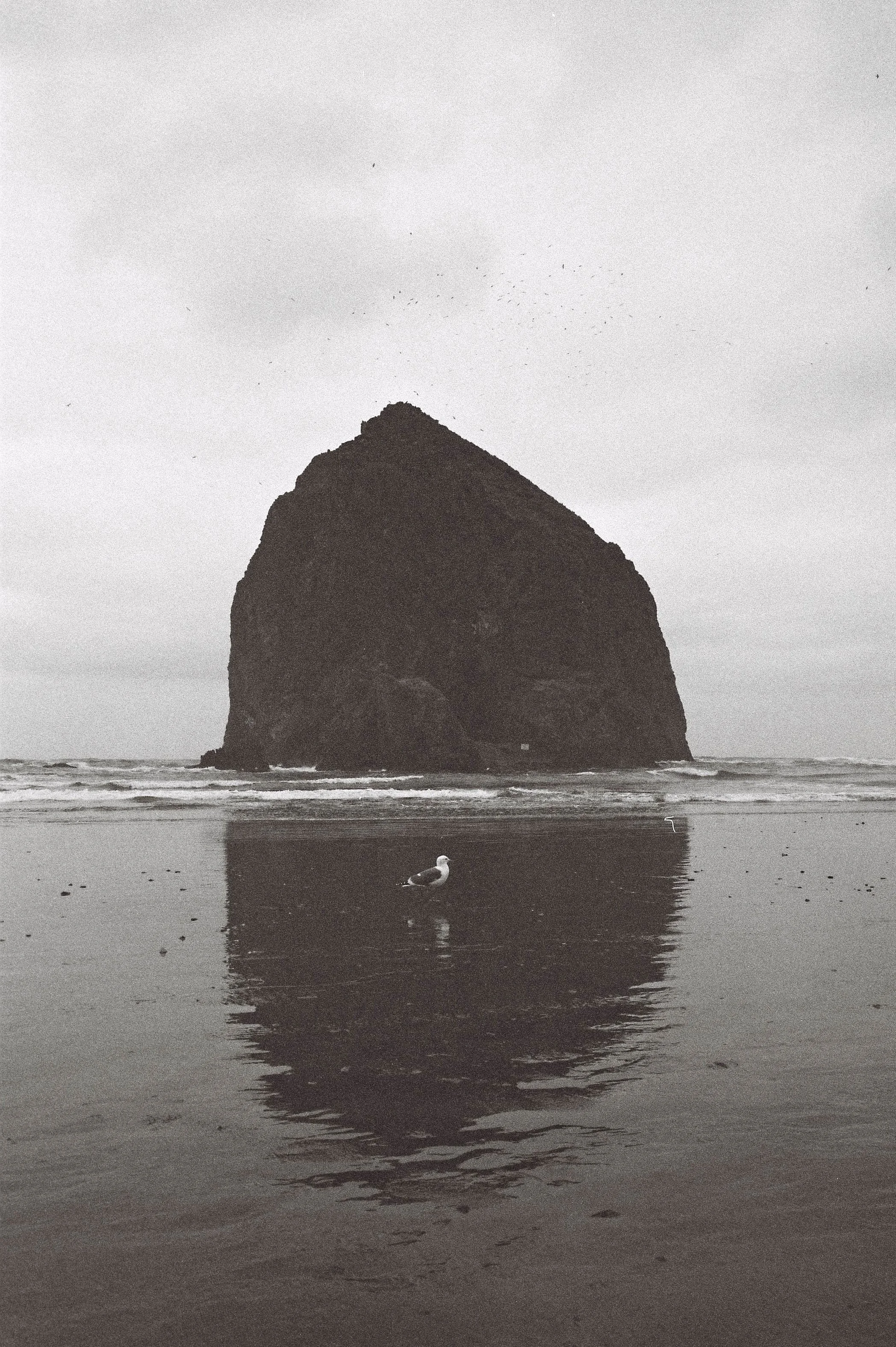
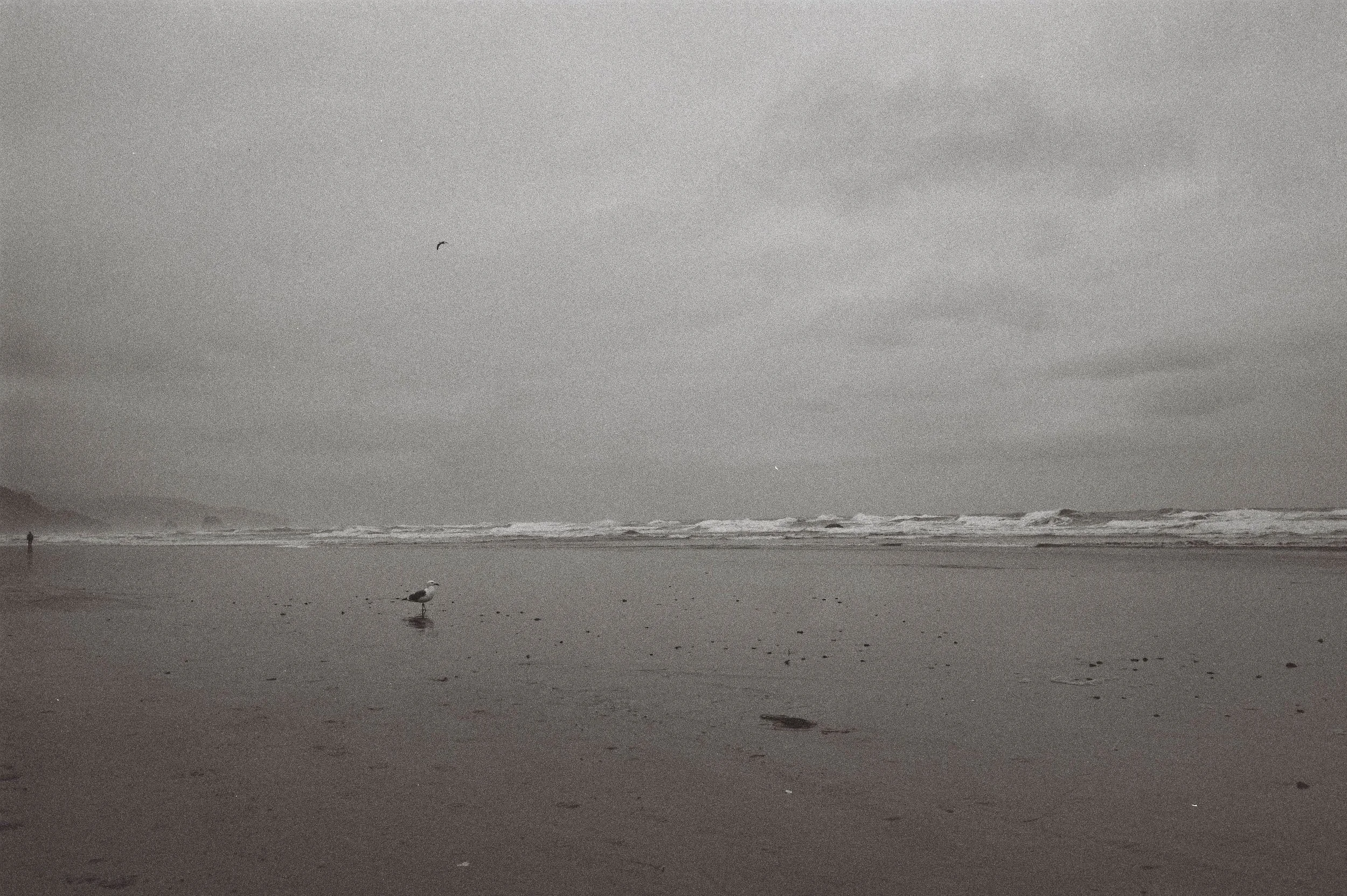
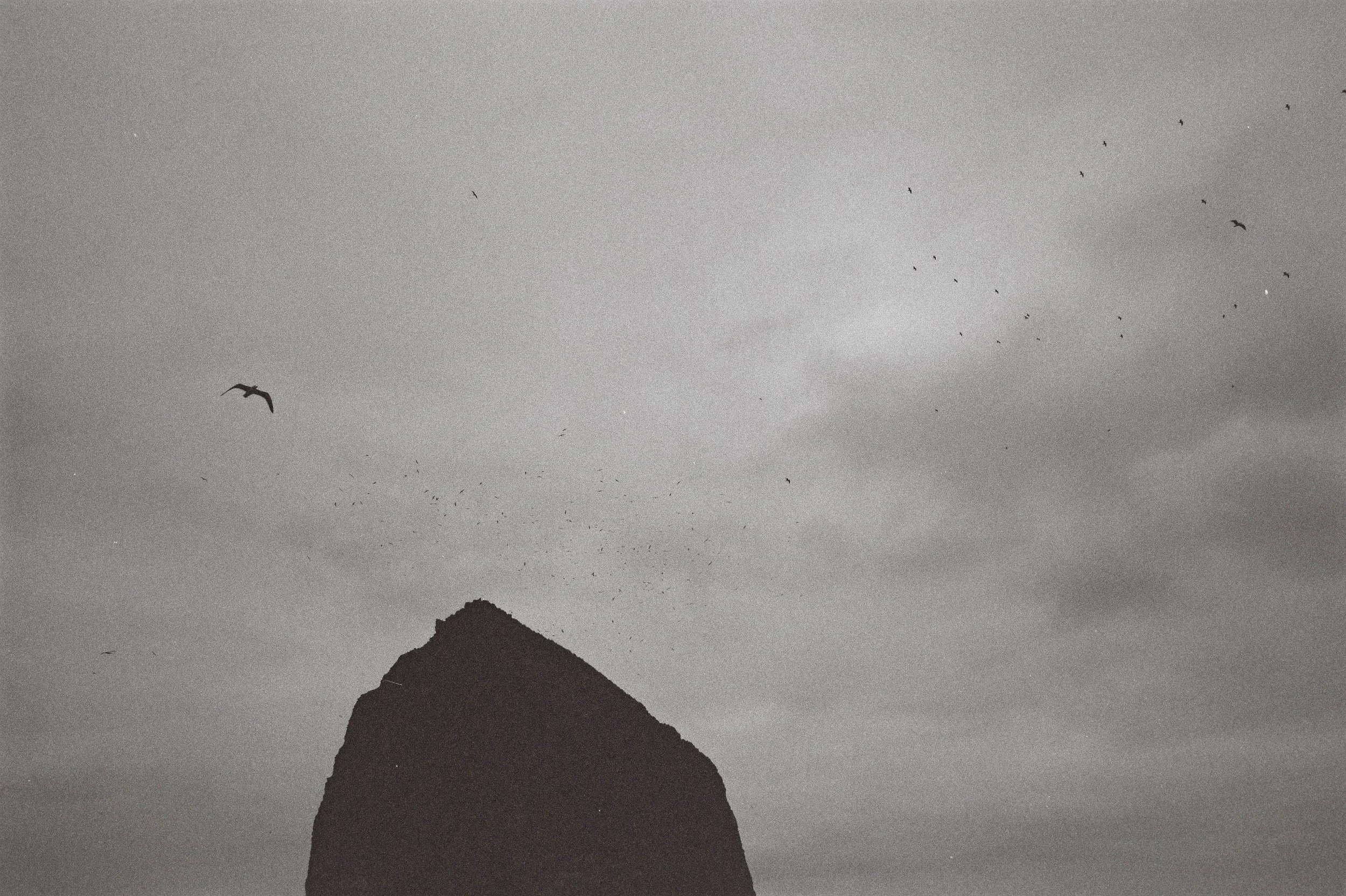
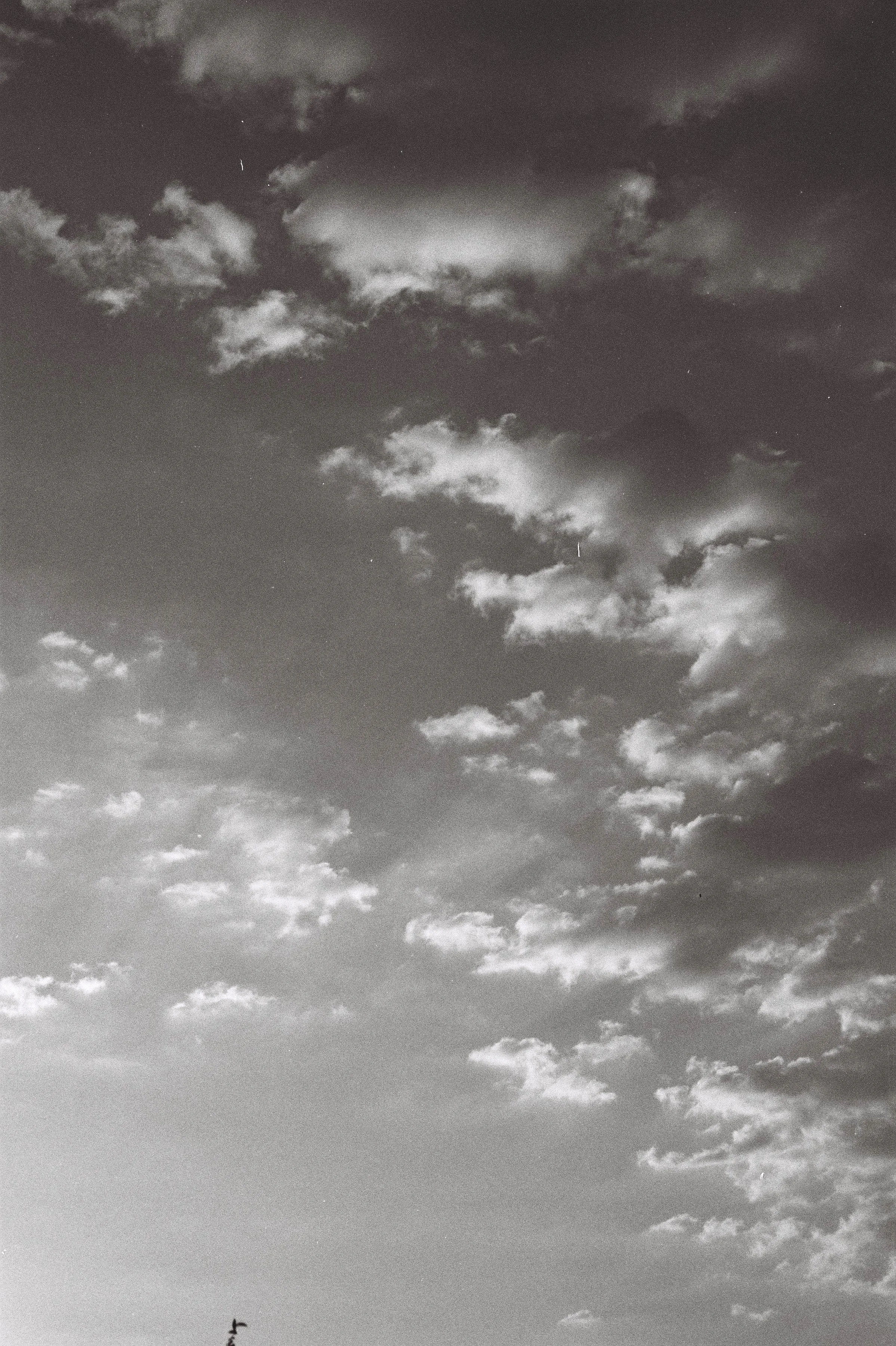
CatLABS X FILM 320 Pro BW Negative Film Review + Image Samples
Preface: This film is supposedly a 200 ASA aerial film that has been respooled. As of mid-2026, CatLABS’ website only shows 120 film in stock.
This isn’t a technical review but serves as an article that explores this film stock from a more subjective perspective.
For this Impressions article, you can assume the following:
Most images have been further tweaked beyond what my film lab sent me but minimally to retain the original feel of the scans.
All shots were taken at ISO 320 as that’s the box speed and I wasn’t aware that the film was initially rated at ISO 200 but exposure compensation was generally at +1/3 or + 2/3 as a personal preference.
I used the auto-exposure on my cameras for determining exposure.
These images shown should ideally be representative of what you may get from your lab.
Pros:
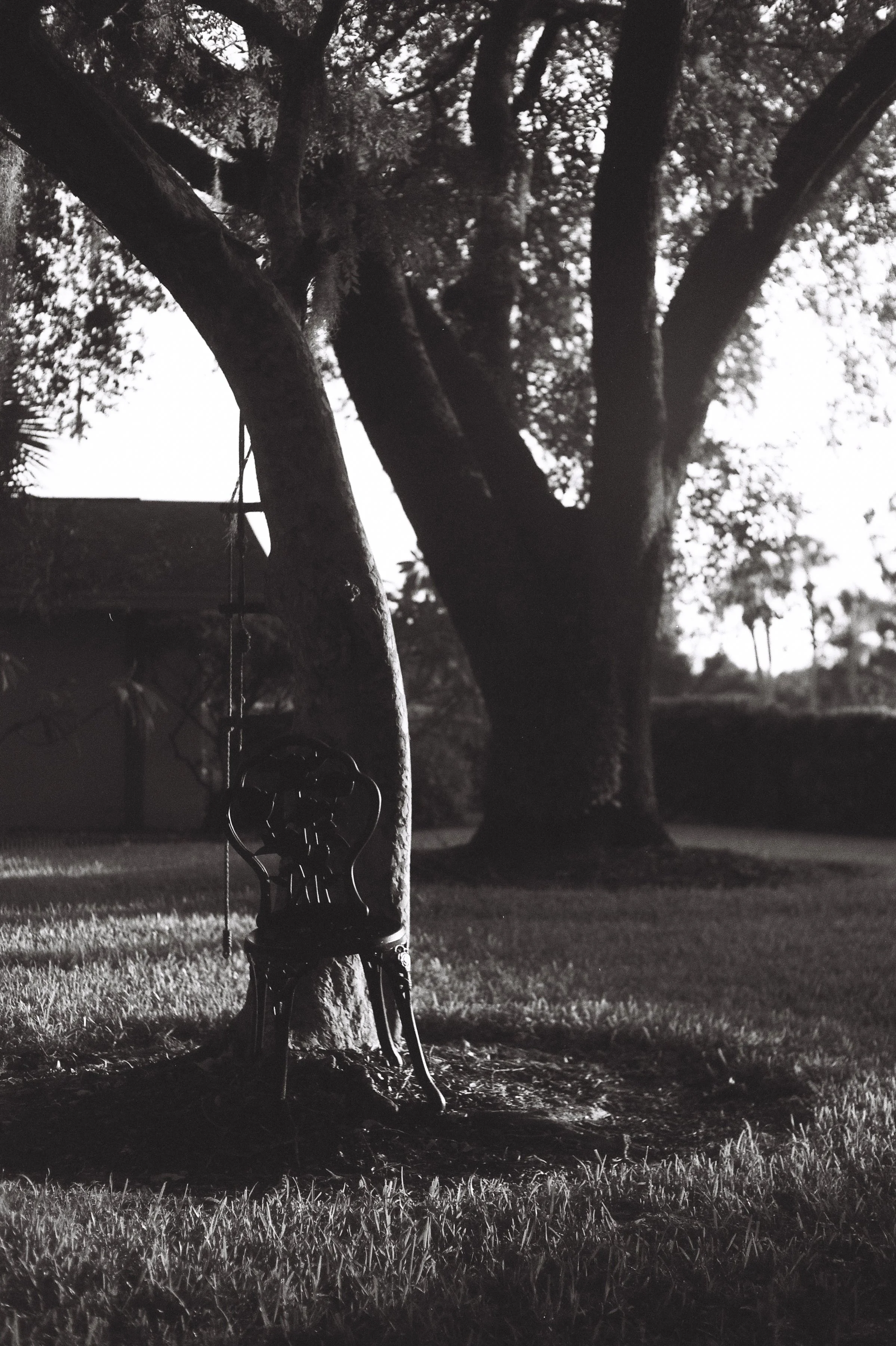
This film offers a distinctly unique aesthetic that I haven’t seen elsewhere.
The performance of the film is highly dynamic based on the lighting that you shoot it in.
The rolls I received all produced 38+ images, so the respooling is very generous.
You can find the 120 film at good prices if this film’s aesthetic speaks to you. (I can’t comment on if this is the exact same emulsion though)
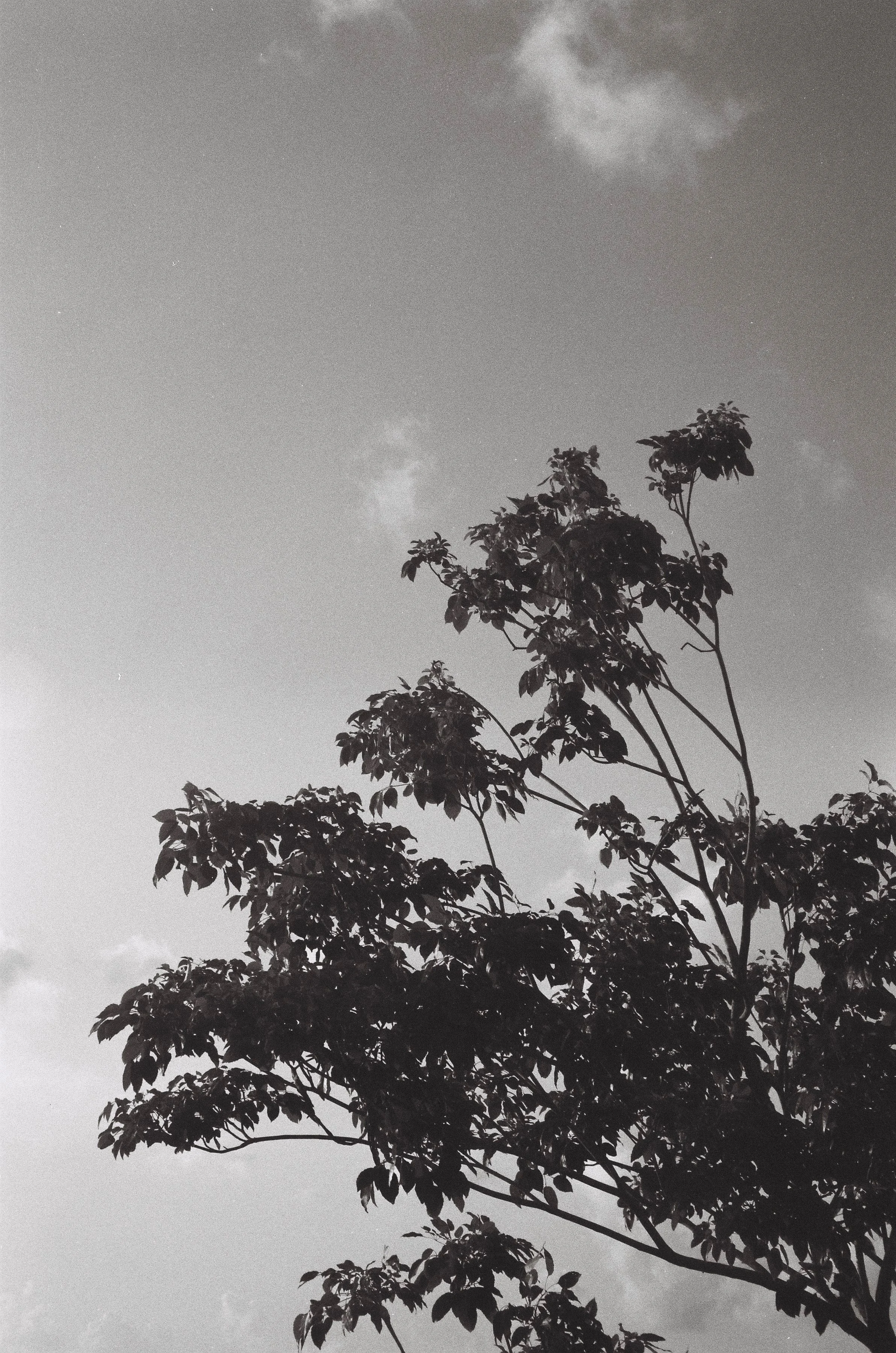
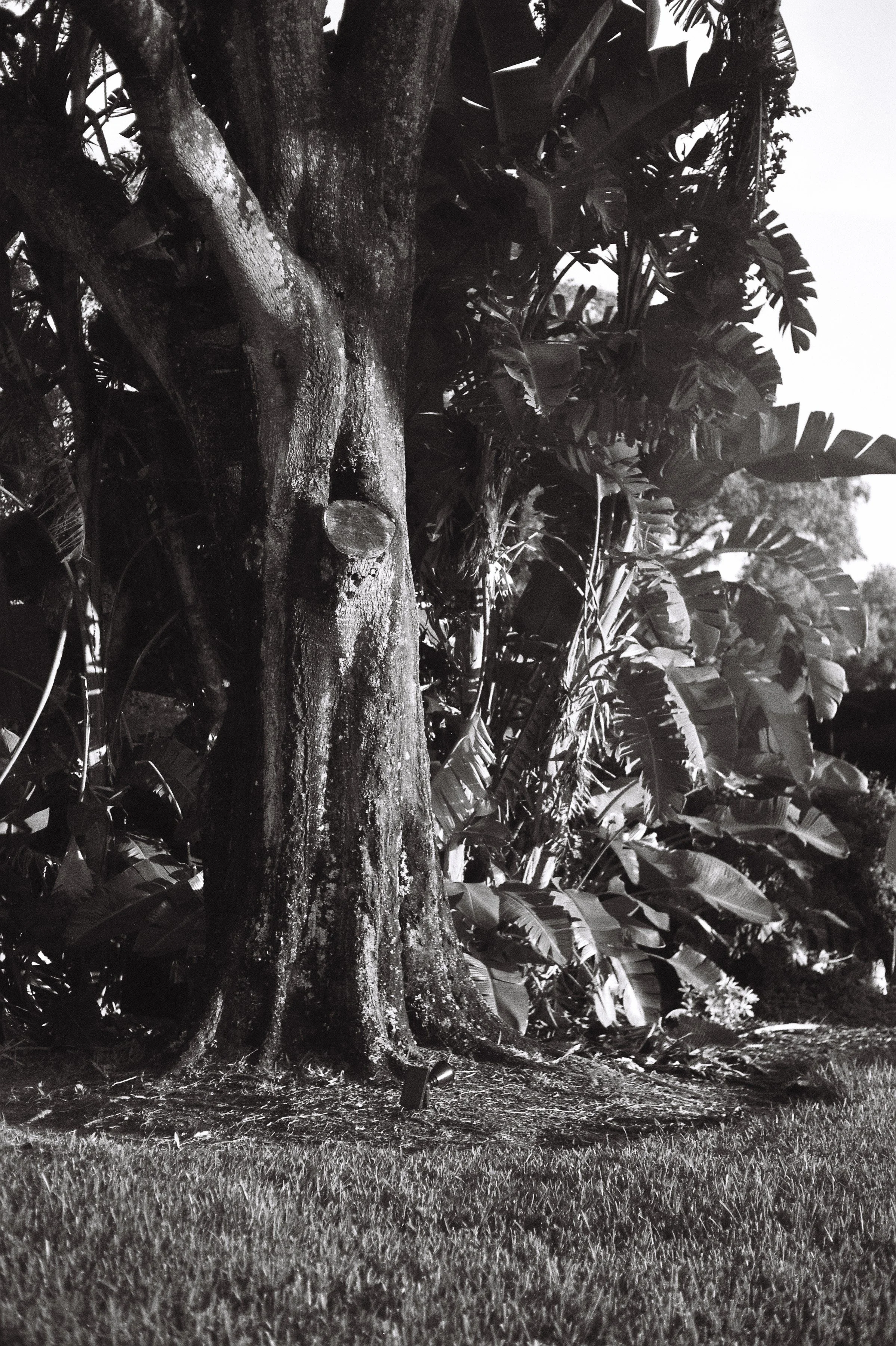
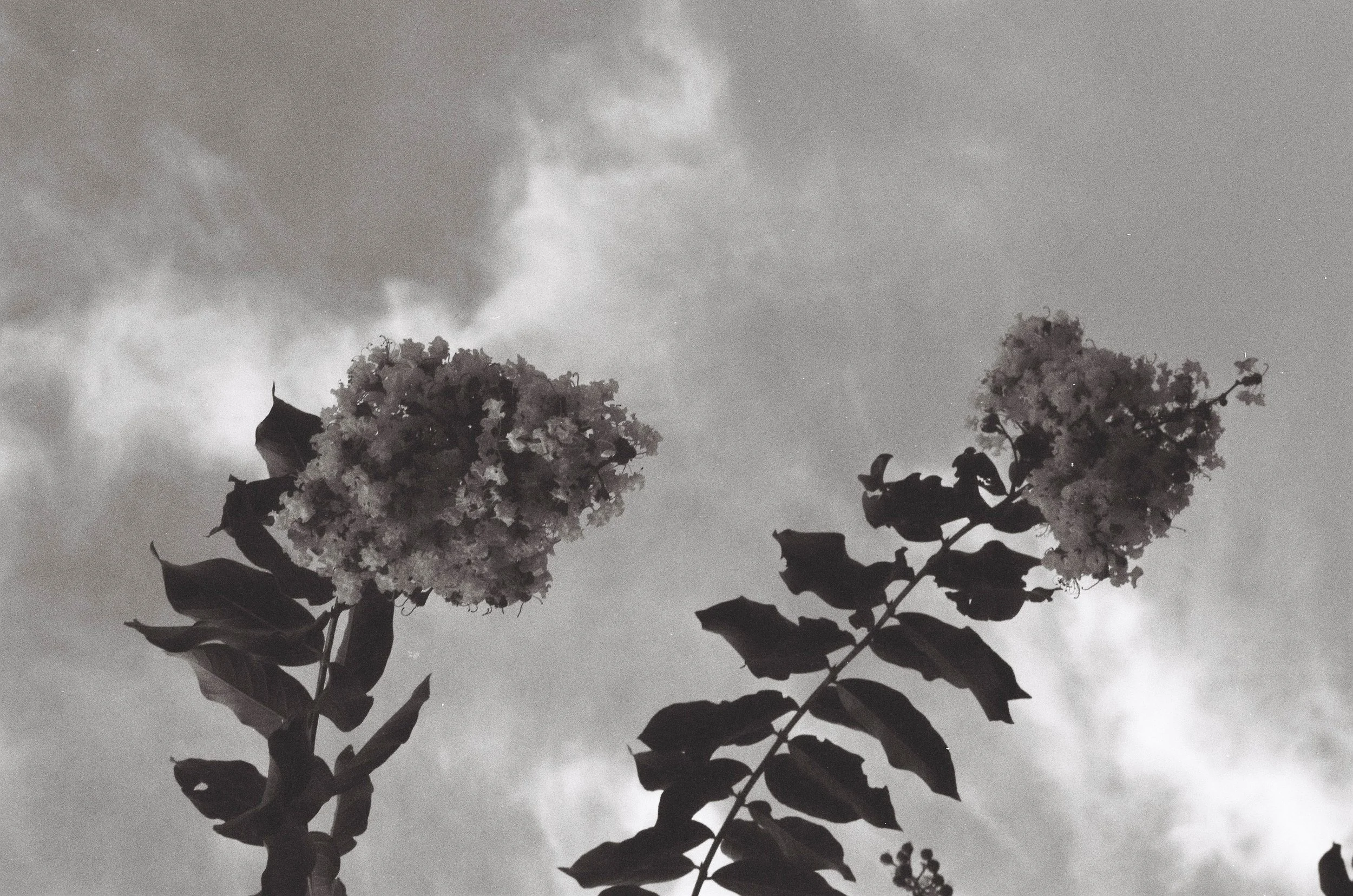
Pictures of foliage resolve with nice detail.
The film canister is cute and has a cat on it
Cons:
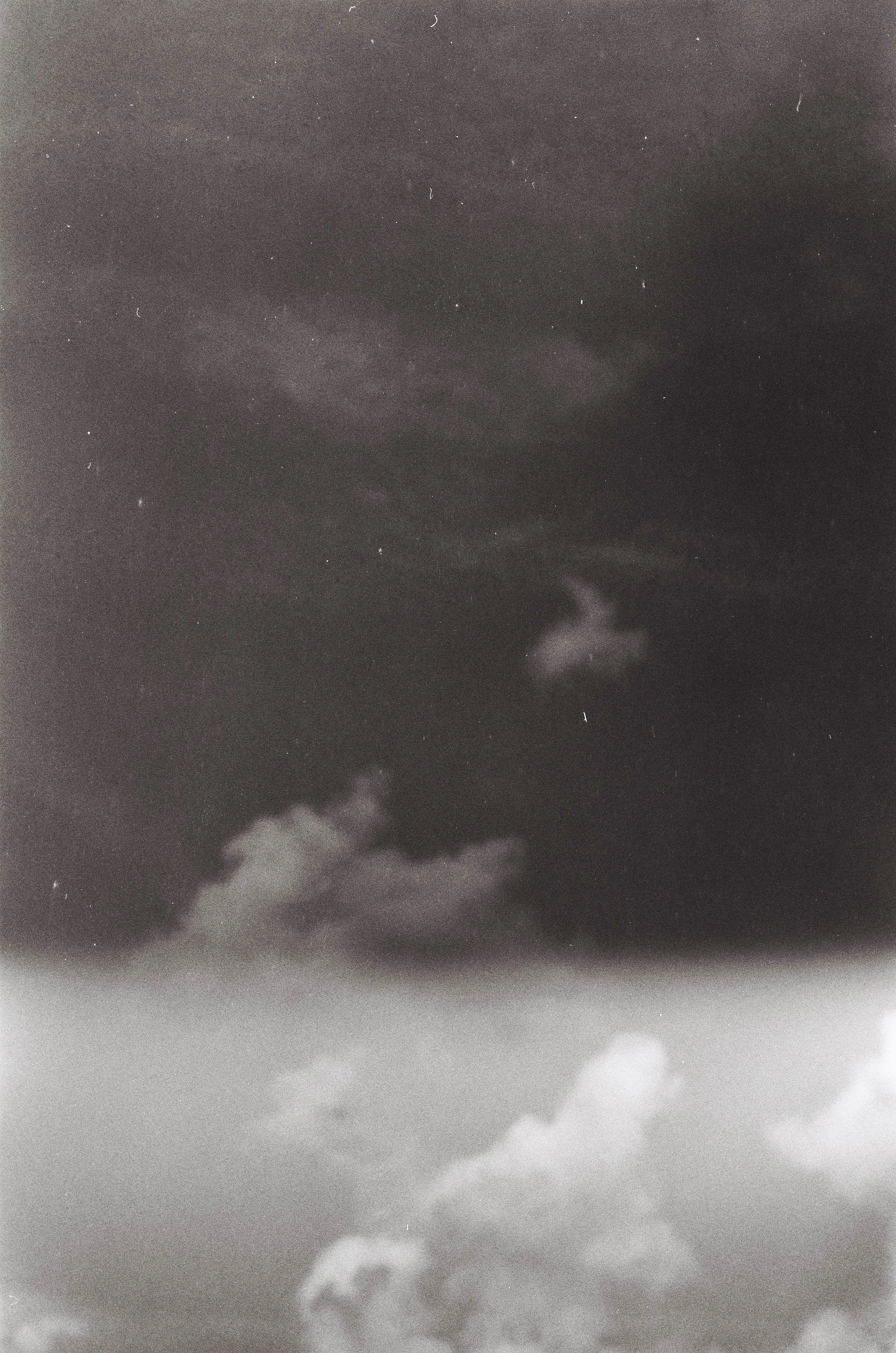
The quality control for this film is atrocious. I have never seen a film so heavily scratched and dusty.
The contrast of my scans was awful and looked muddy. From the dozens of rolls this lab has processed for me, I’ve never seen this before.
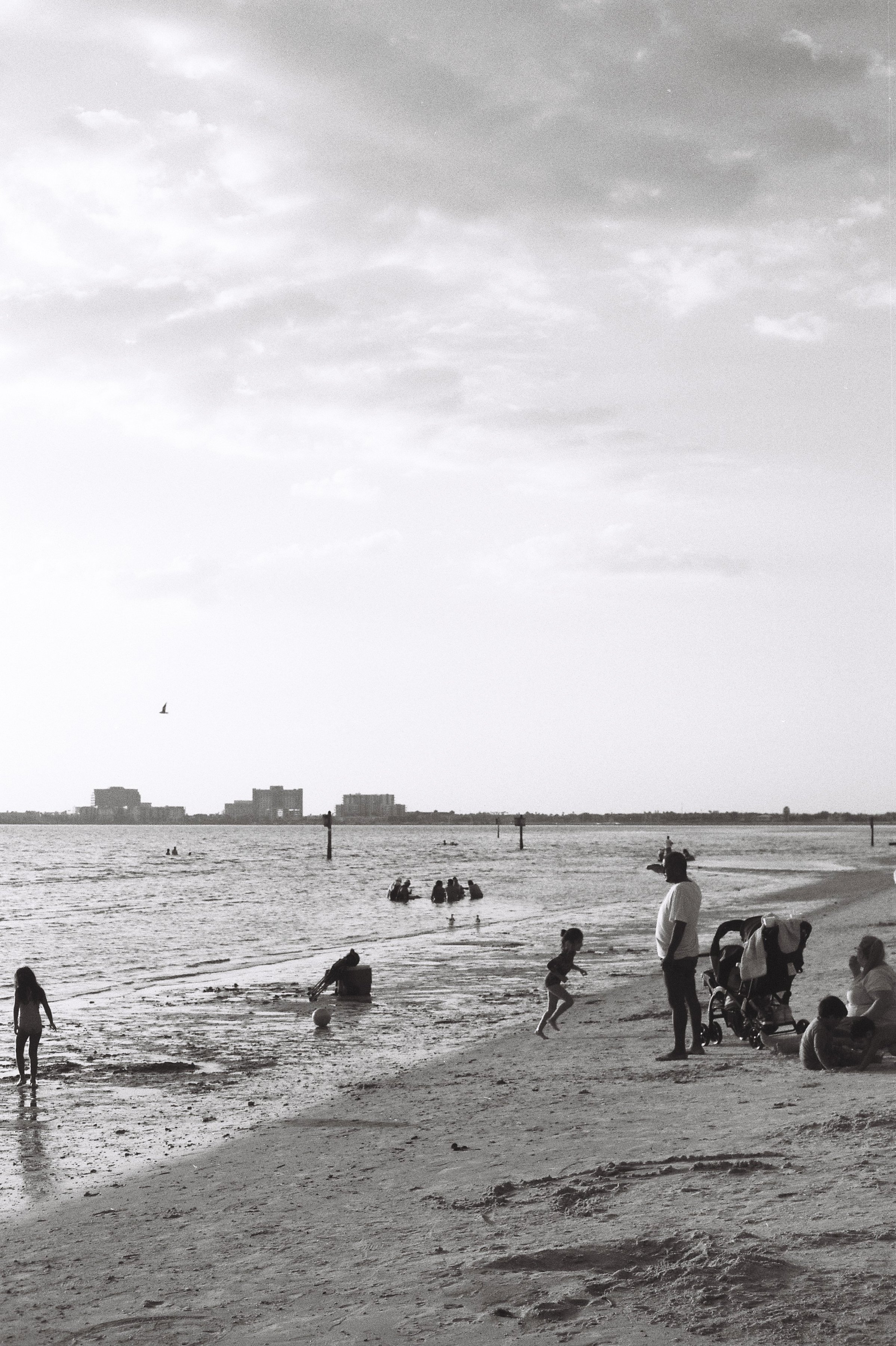
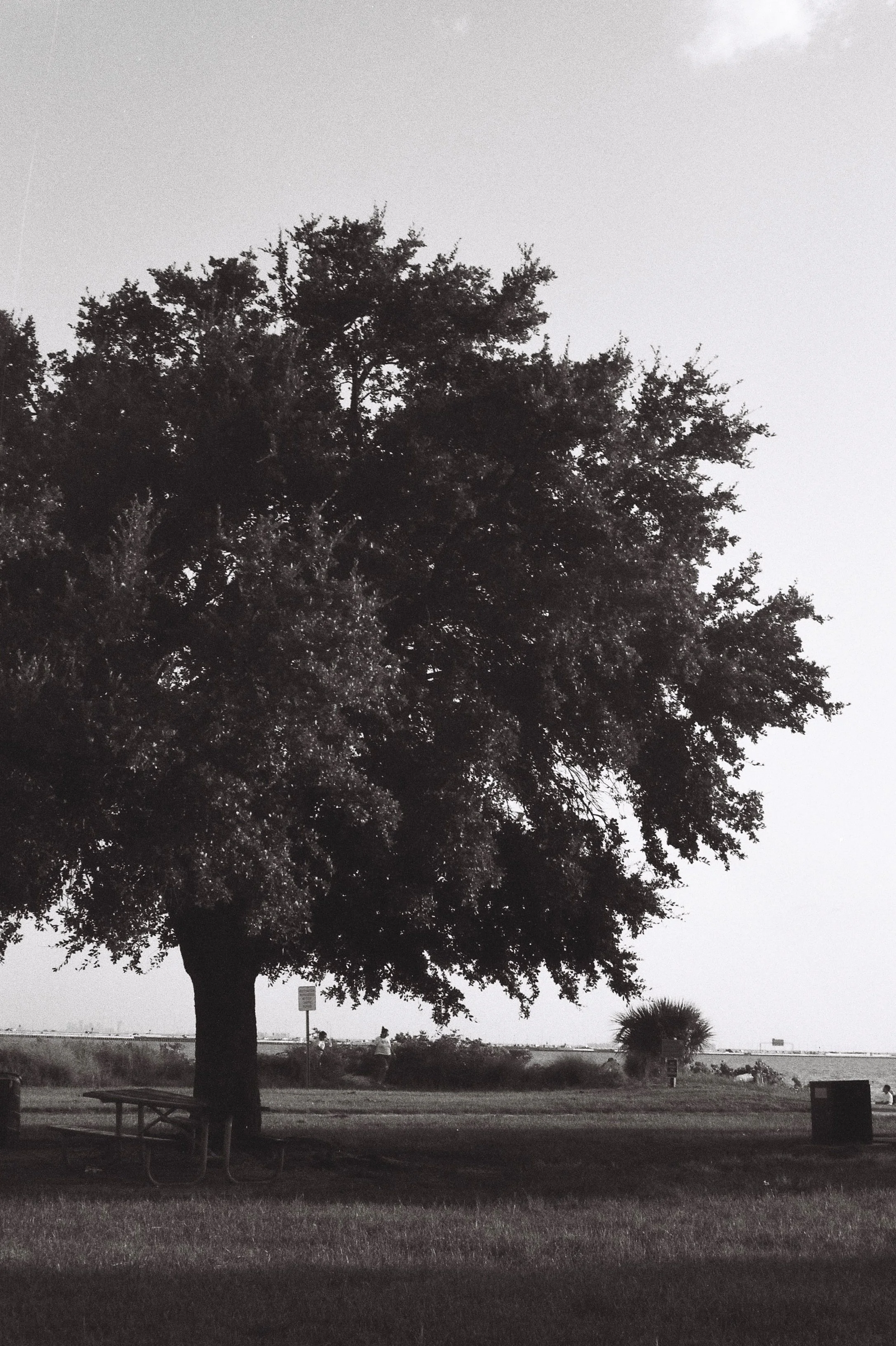
The amount of detail captured in mid to long range distances is really poor.
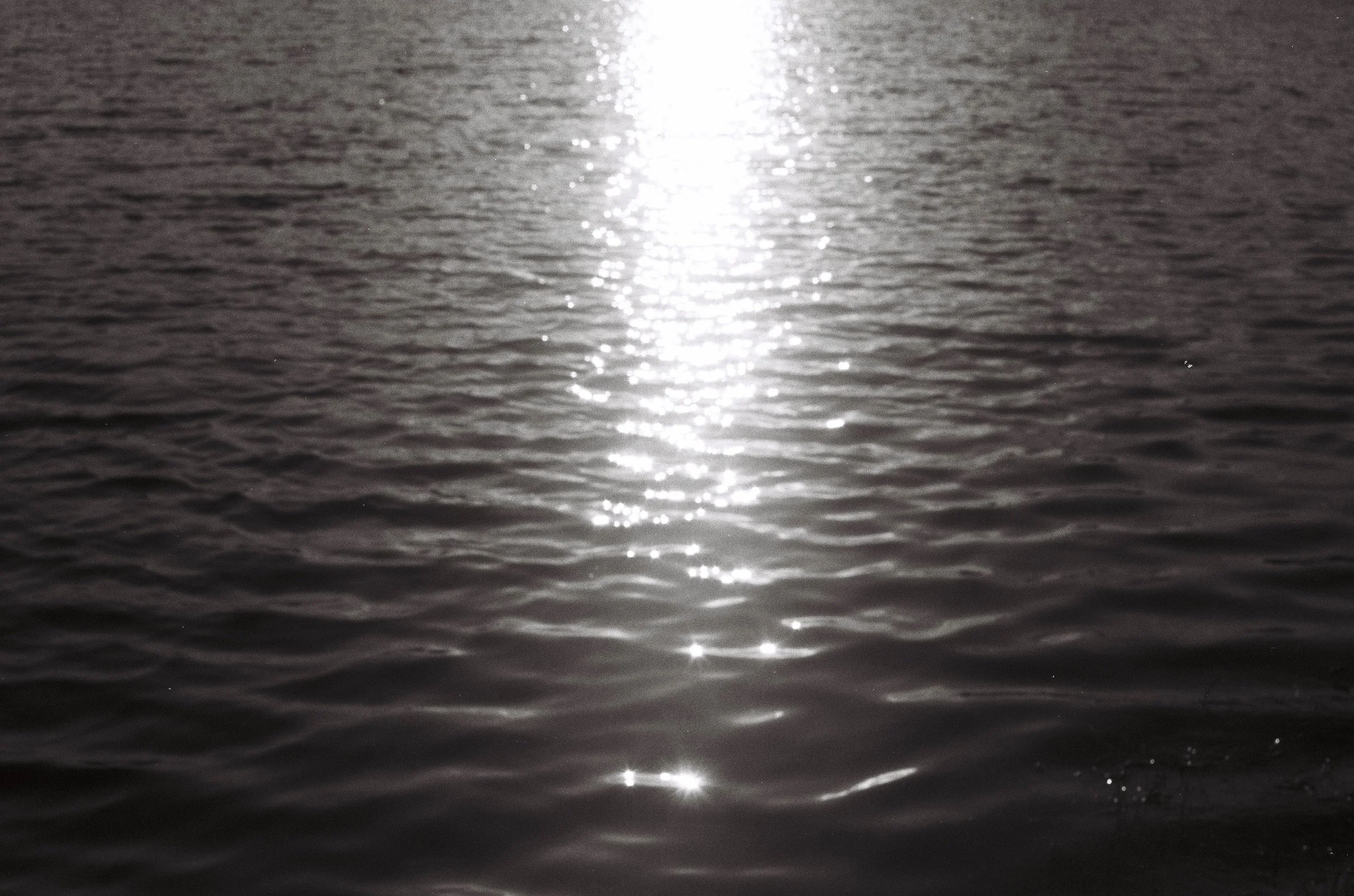
Between the dust and grain, it can be difficult to judge if what resolved in an image was actually detail, just grain or dust.
My first roll had a few light leaks for seemingly no reason.
Of my 4 rolls that I’ve shot of this, 2 of them ended up getting cooked during the development process. The instructions that these labs found online both led to the negatives getting destroyed. Be careful when handling this film.
This could be considered user error and not a negative but in the 2 years I’ve shot film, I’ve never had this happen once, let alone twice with the same film at two different labs.
Finding this film in mid-2026 is proving to be difficult.
Initial Impressions
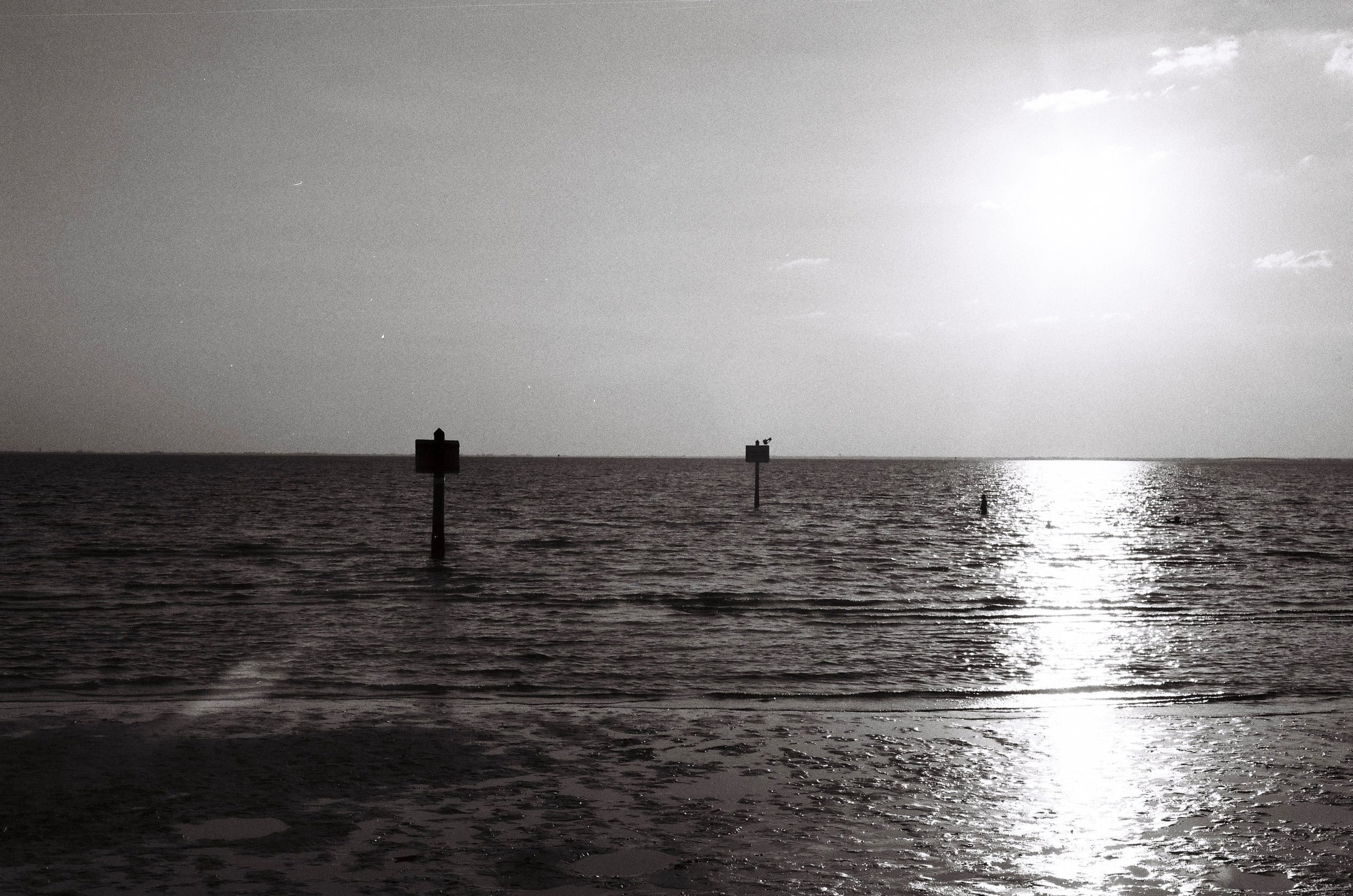
Getting straight to it, this film scans flat and the contrast noticeably falls off with distance. When looking at the tone curves of my scans, the white & black points have to be adjusted to produce anything that isn’t muddy. Without this, the images look so flat that it seems like there's something wrong with the film.
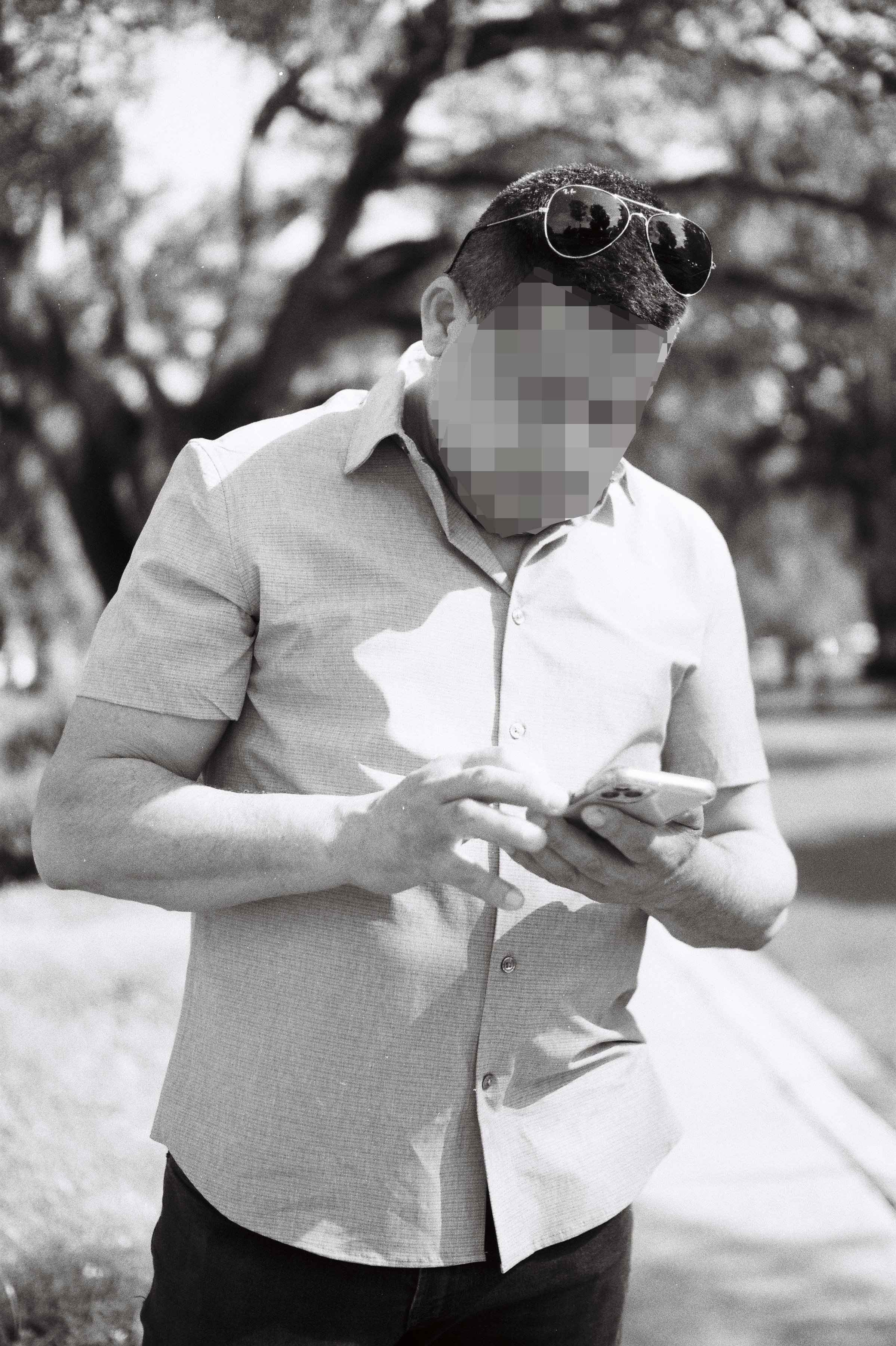
When shooting in direct sun for a bright, high contrast situation you can see that the film is still a bit flat but it definitely helps remediate this film’s flat look.
Another major issue that's harder to ignore is that the film is very prone to scratches and dust. I've never had a film that looks this abused. These 2 issues compound to a very poor impression of this film that left me not wanting to work on these images.
But on a positive note, I was able to consistently squeeze 38-39 images out of one roll. That's generous & would go even further with a half frame camera. Of course, if all the photos look terrible, maybe there's not much benefit to it.
A Year Later
Coming back to these images a year later, I tried to give them an honest chance after the initial disappointment had come & gone. I went through each image & tried to tweak them to give them their best chances to stand out.
The end result is this aesthetic that almost looks horror-inspired, as if this is a Fatal Frame style film stock. For a project like that, maybe this film could be a good candidate.
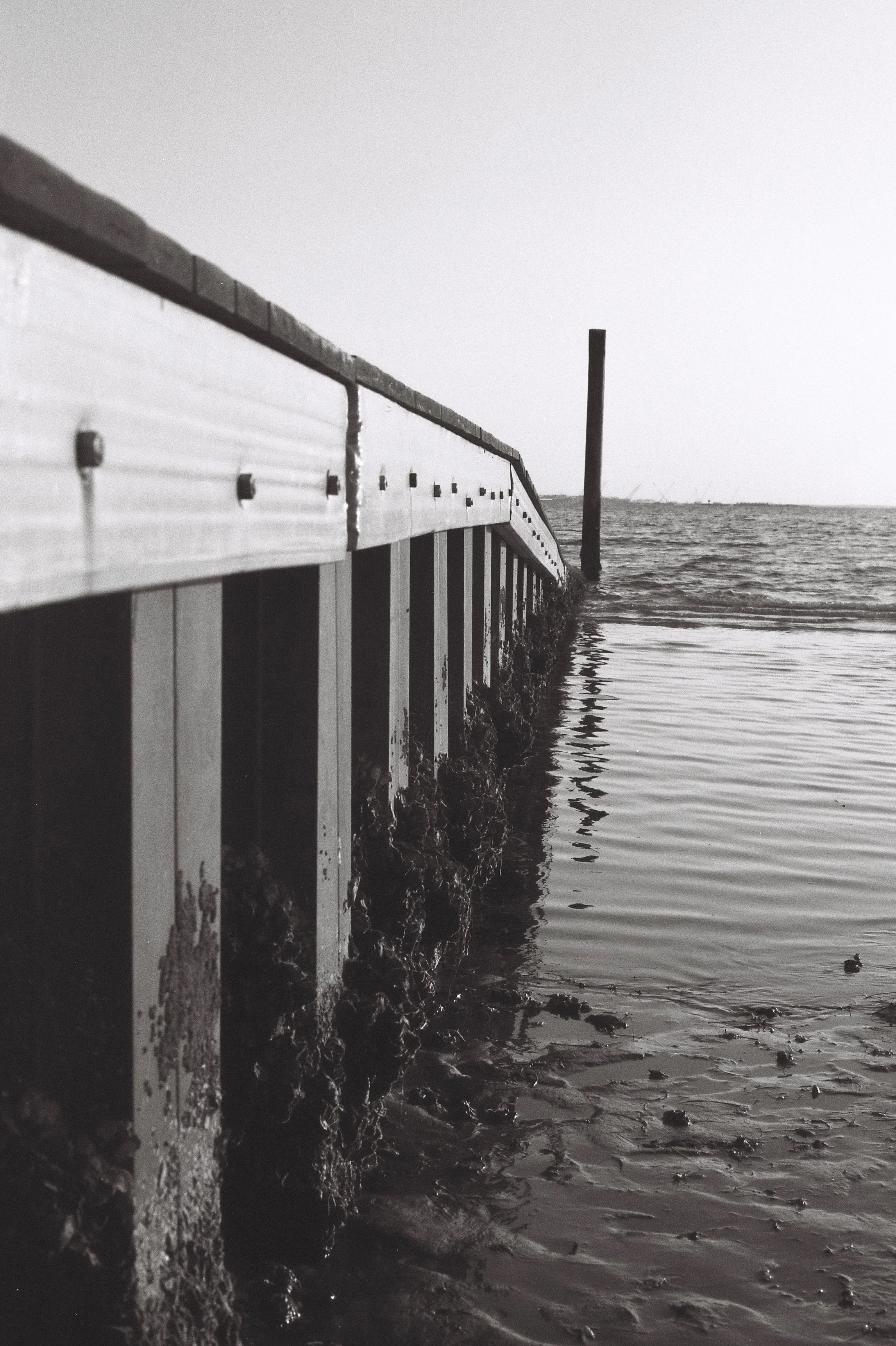
Another thought I had is this film definitely benefited from shooting close up rather than subjects further away. Of course naturally as things get further it gets more difficult to resolve details and contrast decreases. In this scenario, this is further compounded by the sea spray that you can find on the Oregon Coast.
But if you look at the product page for this film, you’ll see two interesting bullets:
Cuts through haze and rain thanks it's unique spectral response range
Increased contrast in otherwise dull scenes
This isn’t at all what I saw in my shots. If anything, this is the worst performer I’ve seen in regards to shooting through inclement weather.
Maybe if the images had been shot at ISO 200 rather than 320 there may have been an improvement in performance. On one hand, it’s hard to say because I would have expected the 2/3 stop underexposure to have helped the contrast. But on the other hand, I had already metered around a third to two thirds more light when I took the shots. :/
Perhaps someone more accustomed to shooting in these conditions could have squeezed more out of this film. However, we’ll see in a second that when shooting Kodak’s film, this flatness and lack of detail wasn’t as bad.
Comparisons
All that being said, the Kodak Color Plus 200 didn't have this issue… or at least nowhere near as badly as CatLabs does. Kodak tends to be the gold standard so maybe this isn't a fair comparison but Kodak's offerings tend to be the same cost or less. They also tend to be less scratched.
Yes, it's a color film. It’s not to be a 1:1 comparison but to show that I shot both in the same location and the difference in performance was drastic.
I didn't get to try any other black and white film in this location but I will say that of the dozens of rolls of Kentmere that I've shot, this level of problems have never popped up & those rolls are around the same price or less.
Additional Notes
This film is known to just be respooled aerial film rated at ASA 200 from what I've seen online. Based on that I do find its longer distance performance rather disappointing. You'd think that an aerial film would resolve long distance shots acceptably. I used rather sharp glass too, so the results are more or less on the film, IMO.
Last thing, and I’d argue it’s the most important, whether you develop your own film or have a lab do it for you, be careful. I've had 2 labs accidentally mess up my roll because the development instructions that they found online were wrong. Not sure how common this is for respooled film but this is the only roll it's happened twice with. :/
Final Thoughts
Unless you can get this roll for next-to-free, I'd say pass.
It’s not that the look is the reason; this specific aesthetic is interesting, even if it's not for me. But the quality of the film with all the scratches is unacceptable. If you really want to try this film, at the very least find it from a respooler that won’t scratch the film to hell and back so your film doesn’t look like it was carelessly handled.