Mamiya G 150mm f4.5 L Review: A Misunderstood Classic
In the nearly 30+ years of the Mamiya G 150mm f4.5 L's existence there have been next to no real-world reviews of this lens. It currently sits as just a footnote in Mamiya 6 reviews, the unloved child of the Mamiya 6's G lens line. Let's find out if that's deserved.
Shooting Assumptions
This review is for two primary audiences:
those who are interested in the Mamiya 6 system and want to know how all the lenses perform
those who are already in the system but want to know if this lens is worth adding to your collection or actually using it if you already have it
This lens sits in a weird spot. The Mamiya 6 system is celebrated for its legendary optics, portability and unrivaled feature set for its size. But this lens deters from two of those three things: it’s not very portable and because of this size, it’s not unrivaled.
Other medium format systems have lenses that directly compete with or exceed this lens even if the rest of those systems don’t compete with the Mamiya 6.
When evaluating the results I’ll disclose that I did my metering in camera as I think most people will use the lens like this. In the results we’ll see the light meter may not be optimal or at least not for low-light photography.
Furthermore, images were developed by Yeonnam Film. I worked with their scans through crops, minimal curve adjustments and white balance adjustments but tried to maintain the original spirit of the scans.
Quick Take: Pros & Cons
Pros:
The feel of this lens is premium with a long and smooth focus throw that makes hitting focus much easier than expected
Price. It feels like people are desperate to get rid of this lens. You can often get it as part of a bundle or cheap or free
Sharp and not too difficult to focus due to starting at f4.5
Out of focus areas blur out nicely without leaving the background an unrecognizable blur
Cons:
Viewfinder frame lines are SMALL
Metering with this lens behaves like average metering rather than spot metering and isn't consistent with the 75mm or 50mm. Without knowledge of how to "handle" this lens' metering your shots' exposures can be all over the place.
Brightest aperture is only 4.5
Minimum focus distance is about 1.8m
It’s not small or light like the 75mm or 50mm. Nearly doubling them in size and weight
First Impressions
When I first got the lens I was… disappointed. I expected a rangefinder lens to be smaller. It’s not as big as my mirrorless Sigma 85mm 1.4 but its presence in my camera bag is similar to it.
On the Mamiya 6, it feels fine. The larger medium format body balances the lens well, the focus barrel feels great with good feedback. It just didn’t feel as great as the 75mm. The 150mm didn’t excite me with how the 75mm did.
Worst of all, when I mounted the lens to the camera and looked through the viewfinder, the impossibly small frame lines reared their ugly head… the 75mm and 50mm had such a large field of view to work with. How am I ever going to use this?
My unfounded expectations for the 150mm, comparisons to the 75mm and being put off by the frame lines robbed the Mamiya 150mm of its chance to shine or land a spot in my camera bag.
I suppose it’s no fault of the lens, only my own.
Going off the lack of hype or even any review for this lens, I suspect many others go through this same disappointment and never give the lens much thought after that.
Results
Sharpness & Rendering
The sharpness of the Mamiya 150mm f4.5 is its strongest suit.
With the lens starting at a smaller aperture like f4.5, you don't get the opportunity to shoot wider open to get "soft" (out of focus) images. From close up and from further away the lens exhibits great sharpness with clean rendering starting at its brightest aperture of f4.5. I've heard from reviews that the Mamiya 7's 150mm does not fare as well at close range but I don't see issues here at the minimum focus distance.
And while the sharpness of the in focus parts of the lens is great, the out of focus areas of the image are also equally important. In the case of the Mamiya 6's 150mm, the out of focus area renders cleanly without distracting elements.
I may be a bit simple to please when it comes to rendering, though. As long as my lenses don't exhibit smearing, distracting distortion or artifacting then I'm happy. But seeing as this is a lens from the film photography era it's not unusual to see higher end lenses be engineered to high standards since there's no digital correction to "fix" these issues like modern lenses can be engineered around. This is likely why we see such a standout performance from the Mamiya 150mm f4.5.
To briefly touch on flaring, hazing and ghosting, I haven’t seen any in the month or so of using the lens even when bright elements were in the frame. It has been rainy and overcast most of the month that I’ve been testing this lens so it’s not been the most challenging conditions but even without a hood I haven’t had issues in this aspect. This section will see an update if that changes but for now I’ll give the lens a thumbs up regarding its flaring performance.
Color Film Rendering
Thus far I've found that the color rendering of the Mamiya G 150mm f4.5 L is effectively perfect for those pursuing natural color rendition. Depending on your film choice and use of overexposure, you can get punchy and vibrant or soft pastel images.
Out of focus areas render with a creamy bokeh and without any harshness. The color transition is smooth and pleasing to the eyes.
When working with a vibrant film stock such as Lucky Color 200 I found colors to have a lovely and punchy pop. Alternatively, when shooting with a more conservative film stock like Kodak Gold 200, the images are creamy pastel and soft when shooting with a slight overexposure to compensate for how the metering with this lens operates.
Truthfully, I avoided color film with this lens initially as it's more expensive to shoot with. I wasn't sure if I wanted to commit expensive films to a lens I wasn't sure about. After seeing the results thus far, I'll be using more color film with this lens.
Real-World Handling In The Field
The lens is a joy to use once you look past its size and weight difference from the other two lenses in the system.
If you used the Mamiya 6 with just this lens and didn’t know what you were missing out on with the other two lenses, this combination would just feel great and you wouldn’t have a second thought about it. Having a 180 degree focus throw with a nicely dampened focus ring, the 150mm feels smooth in the hand to use.
When photographing the street performers in Hongdae it was effortless to track them and keep focus on them with how precise I felt I could be with this lens’ focus barrel. Additionally, with how much you see outside the frame, you can anticipate things entering the frame that you may or may not want.
More often than not, shots I failed to capture or that would be out of focus were strictly user error. I didn’t feel that the lens was ever at fault. One thing that helped me was resetting the focus to infinity between shots that had largely different points. Because the focus throw is so long, I would feel lost trying to remember where my focus was at between shots so it became easier to start focus at infinity and go from there. Shooting like this, it became a matter of learning the muscle memory to focus.
Going back to the weight and size, with this lens I found that when going out to take photos, I preferred the times where I went out with only this lens. Due to the weight and size, I found that bringing it along as an “option” was inconvenient and I would avoid switching to it or dealing with it.
When going out with the 50mm or 75mm my brain was already in “small and light” mode. This lens always felt like it went against that so I‘d skip over it when thinking of shots I wanted. “Ah it’s too niche”, “I don’t really need that shot”, “I can just crop in”, there was always a reason to not use it when the reality was that it’s a burden to go from stealthy to a lens that sticks out like Pinocchio’s nose.
It was only when I used this lens as my only lens for the day that I found joy in using it. I approached photos differently. I looked for shots I wouldn’t have otherwise. When looking at the scans I’d get, I felt rewarded for using this lens that no one else wants to use. Once you start using the 150mm, you understand that this lens isn’t for everything but the shots it is for, it excels at.
One note on handling that only presents itself when you aren’t handling, or rather, holding the camera: when you have the 150mm + Mamiya 6 around your neck you will really notice it. It isn’t well balanced for that use-case and you will notice it quickly. The alternative is that you handhold your kit all day and that’s tiring too. I couldn’t imagine wearing this camera around all day and as such I don’t think of this as an all day carry. If you like to carry your gear around in a bag, this may not apply as much to you. In that scenario I didn’t find it to be as burdensome but certainly not as comfortable as the 50mm or 75mm.
Behavior Across Film Speeds
With this lens starting at f4.5, you will be tempted to shoot at higher ISO ratings either through high speed film like Portra 800, Ilford Delta P3200, or by pushing film like Kentmere 400, Ilford HP5, etc. I would agree with that sentiment.
What I've found is that this lens starts to struggle in scenarios where you'd need 1600 ISO or greater. The Mamiya 6 doesn't support 3200 ISO on its ISO wheel as its light meter's sensitivity range isn't very wide. Often it felt like 1600 was pushing it as the light meter would start to give readings that felt wrong and when I would give the camera the benefit of the doubt, the image would be underexposed.
Film stocks I suggest would be:
Ilford HP5 for shooting with the intention of pushing (up to 1600, more on this later)
Kodak Portra/Ektacolor 800 for general purpose color photography
Kodak Gold 200 for bright daylight photography
I think something like Ektar 100 could be too slow for handheld work since you'll want to shoot at a shutter speed minimum of 1/125. Although with the leaf shutter of the Mamiya 6 you could probably get away with 1/60. If you intend to shoot with a tripod, you can shoot whatever film with no problem
So far, my best images from the Mamiya 150mm were taken midday on Kentmere 400 at box speed. "Obviously daylight photos are going to come out best" is probably what you're thinking, but I can't help but feel that this is more of a limitation of the camera and lens more so than the reality that images in bright situations are easier to take.
For low light or high contrast work, consider using a separate light meter since the internal metering with the 150mm isn’t reliable enough. If you insist on using the internal meter then at the very least you should use a different light meter to establish a baseline for what the exposure should be. From that point keep an eye on the Mamiya’s internal meter to make sure it’s in line with the external reading.
Mamiya G 150mm Focus Accuracy
The Mamiya 150mm is much easier to focus with than you would expect. Despite the frame lines being really small and it feeling like nailing critical focus is difficult, I found that it was pretty easy to hit focus on this lens.
I believe focusing is easy enough because the aperture starts at 4.5. What felt like a limitation initially forces you to be more likely to hit focus on your shots. Yes, I would prefer a faster lens even at the expense of size since the lens is already large but ultimately, what we have is more than sufficient. With the compression of 150mm you still get compressed and blurry backgrounds.
Even in the darkness of shooting at 10PM on the streets of Hongdae, I felt hitting focus was easier than I would have expected. The only time I struggled was when I didn’t have the muscle memory to turn the focus barrel the right way or far enough. I think this lens would be pretty easy to use if you put in the time to develop the muscle memory for it.
One trick I personally use for focusing in street photography situations is to prefocus. This sounds obvious for anyone with experience shooting street with a manual focus lens but the idea is that you identify something that is on the same plane as your subject relative to your lens and focus on that before your subject reaches your shot that you’ve composed. With the starting aperture of 4.5 as long as you’re relatively close in terms of your pre-focus spot and where the subject is, you will end up with a sharp enough image. This isn’t a replacement for achieving critical focus by focusing on the subject directly but it’s more stealthy than pointing this large lens at someone and turning the focus wheel back and forth while you dial in focus.
Focus misses do happen though. No matter how hard you try or how many tricks you employ, you’ll make mistakes at times. I would describe my hit rate on this camera as around 10 out of the 12 rolls would be in focus. My images that are out of focus would stem from three primary issues:
I didn’t correctly anticipate the subject’s movement so I wouldn’t track them well.
My muscle memory with this lens is poor. I would often turn the focus barrel in the wrong way or not enough or too much and fail to line up the rangefinder.
I’d get scared and rush the shot. When I’d think my subject is about to or had noticed me, I’d rush and fail to take the time to lock in focus.
Something I’ll talk about in the final Mamiya 6 review is that I don’t think this camera is very well tailored to left eye dominant photographers. It make lining up the rangefinder patch and seeing the internal shutter speed reading with this camera hard for me in general.
Metering With The Mamiya G 150mm
Now let's talk about the metering for this lens, which is enough of a topic to deserve its own section.
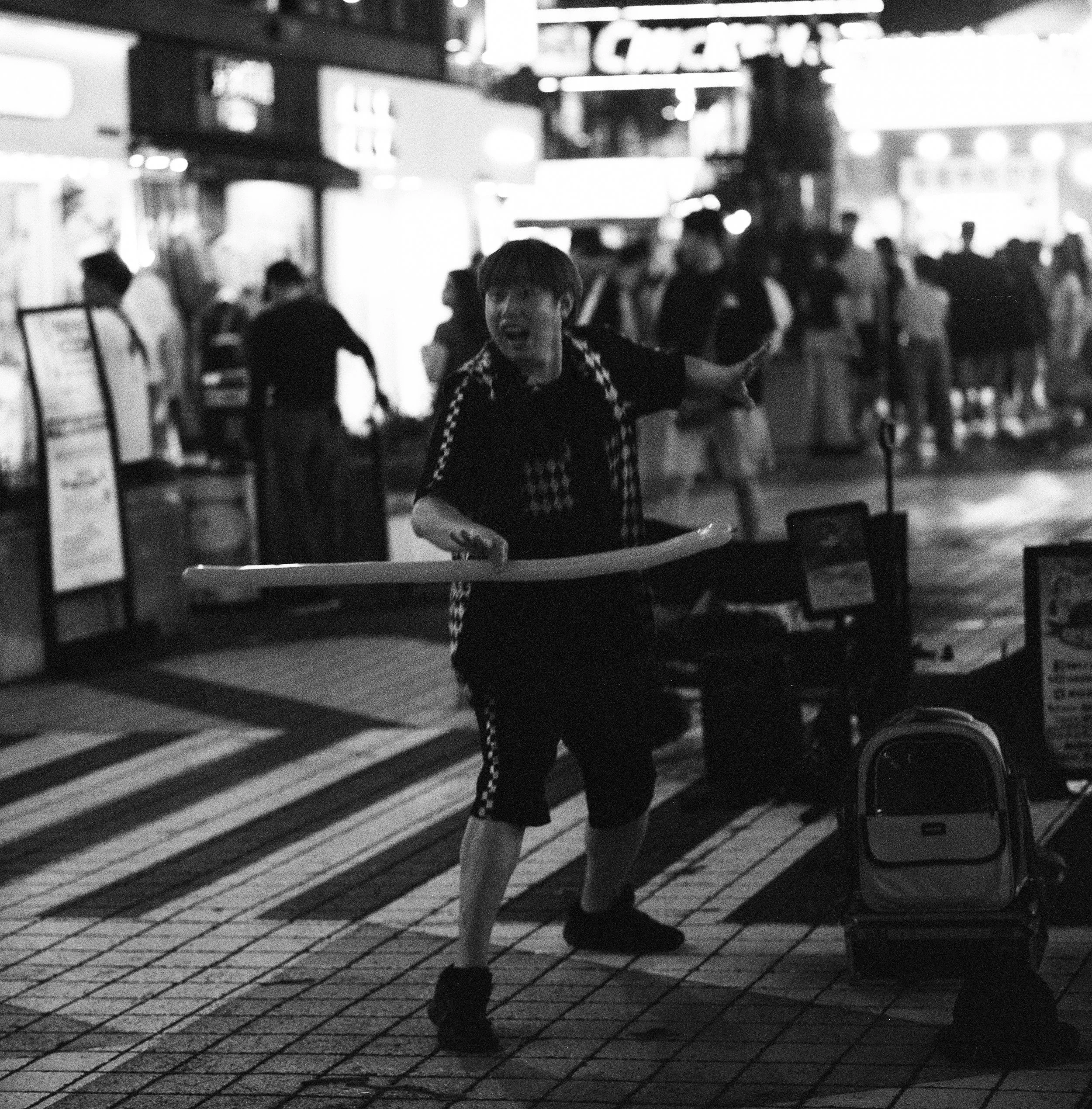
Mamiya 6 G 150mm f4.5 L | Kentmere 400 @ 1600 | Yeonnam Film
The way that the Mamiya 6 meters is not through the lens (TTL) but rather by taking an average of the light entering through the viewfinder and rangefinder windows. How the camera creates an exposure reading from these two values differs from lens to lens and quite honestly, even after researching the topic for a bit, I don't fully understand it.
Here's a reference from Mamiya expert Bill Rogers on Instagram: https://www.instagram.com/p/C-Bh8hCSsXd/?img_index=3
From what I do understand, the metering for the 150mm is more like an average reading of the scene rather than a center-weighted spot meter that you would experience with the 50mm or 75mm. This means that for my night time photography against bright night lights, the camera would often get confused and give inaccurate exposures. I consider this partial user error because there is documentation of how the meter works for this lens that would tell you that you don't shoot it the same way as the 75mm or 50mm. But at the same time, it's a bit obtuse that one of three lenses acts this way and you kind of just have to know.
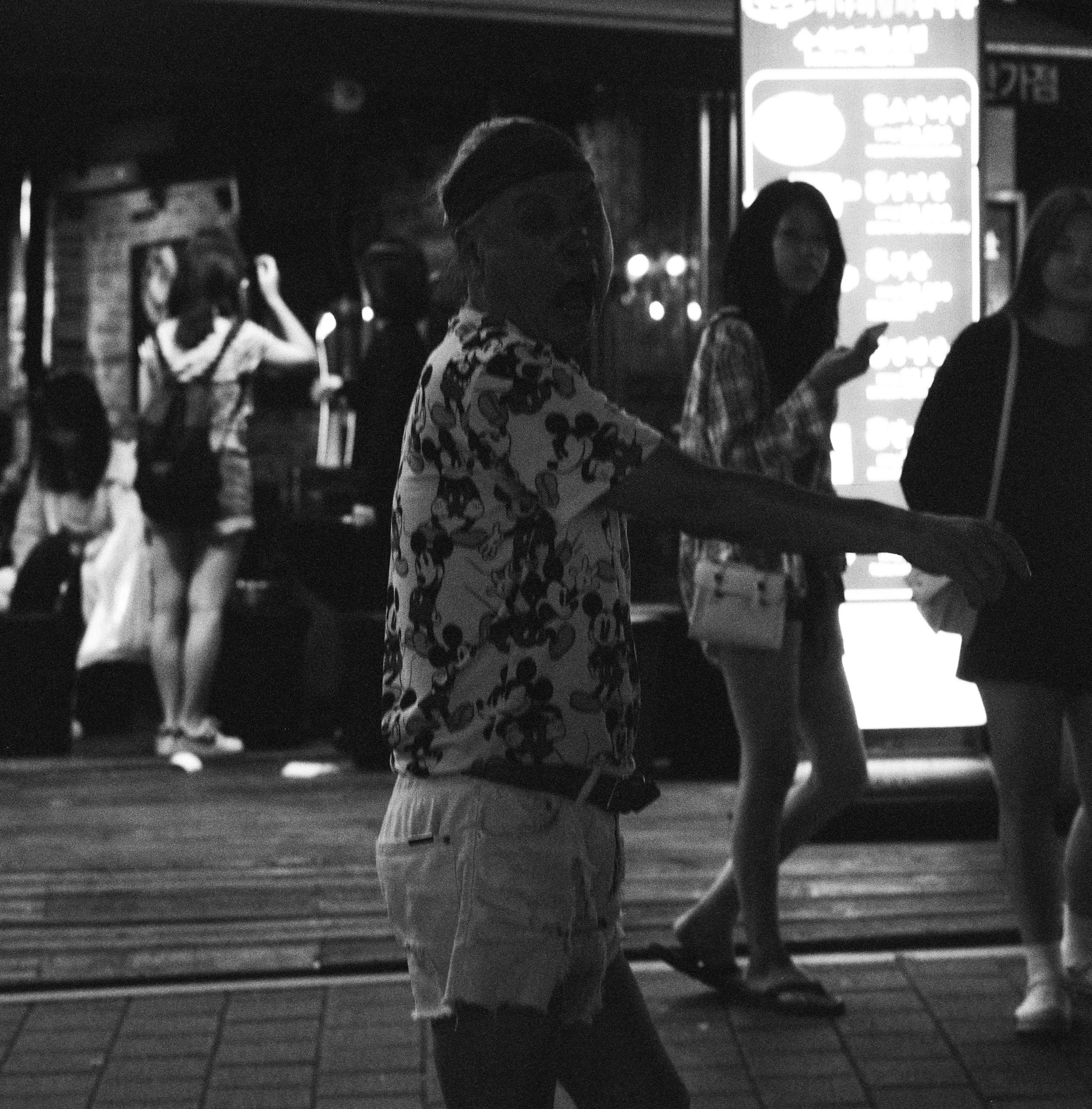
Mamiya 6 G 150mm f4.5 L | Kentmere 400 @ 1600 | Yeonnam Film
With this lens using a spot meter or just a meter that you're familiar with in general would be beneficial. You could use something like Reflx Lab's spot light meter + distance measure tool on your hot shoe to get accurate exposures and focus if you're shooting something more slow paced as opposed to street photography.
Is it necessary to use an external meter? No. Can you get great pictures by using the built in meter? Absolutely. When the average exposure of the scene is balanced well enough or with a film stock that has good exposure latitude like Kodak Portra/Ektacolor or Kodak Gold, you can shoot without a care in the world. The internal meter will do a great job with this lens. However, once you shoot anything backlit or with bright lights or dark shadows you'll need to be extra careful.
A good practice with this lens will be to overexpose by a stop just to give yourself leeway for your exposures. If the Mamiya 6 had TTL metering we wouldn't have to discuss this so thoroughly. This is just a really disappointing pain-point on an otherwise excellent lens.
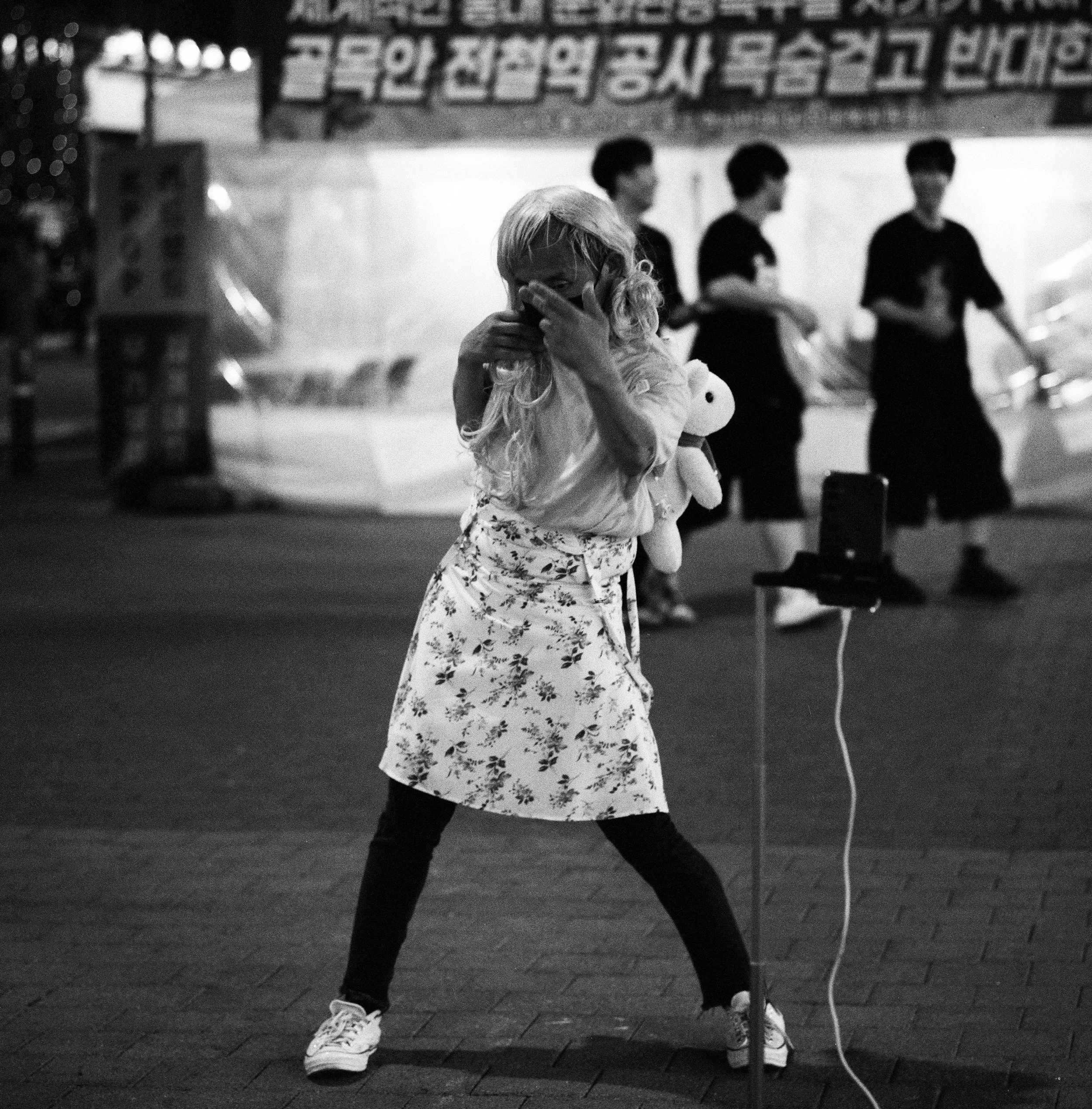
Mamiya 6 G 150mm f4.5 L | Kentmere 400 @ 1600 | Yeonnam Film
What this means in the end is that due to the limited light coming in from the f4.5 aperture, the Mamiya 6 would often freak out and not take accurate readings in low light situations. Street photography at night became something of a crapshoot. Sometimes you'd be lucky and have enough light from the street lights that the light meter could form a reading. Other times, you'd get completely inaccurate readings. The end result was around one third of my low light images were more or less unusable.
Alternatives
The Mamiya 6 system does not have alternatives, the 75mm and 50mm offer nothing close to the look you get from the 150mm.
If you’re truly set on shooting a 150mm lens on medium format you can consider the following lenses:
Mamiya 645 150mm f3.5
Bronica 6x6 Zenzanon f3.5
Mamiya 7 150mm 4.5
Hasselblad 150mm f4
The other lenses will have more bokeh/background blur though honestly, only the Mamiya 7’s lens is comparable as the rest of them are lenses for SLR's.
As mentioned above, I think that the experience of the Mamiya 7 and it's TTL metering would be more enjoyable than shooting this lens with the Mamiya 6. Or maybe it's better to say, it would be easier with less of a "learning curve."
Disclaimer, I’ve not shot any of the alternatives so I don’t know how they compare in the hand or results-wise. Maybe some day we can revisit this topic in a 150mm shootout. :-)
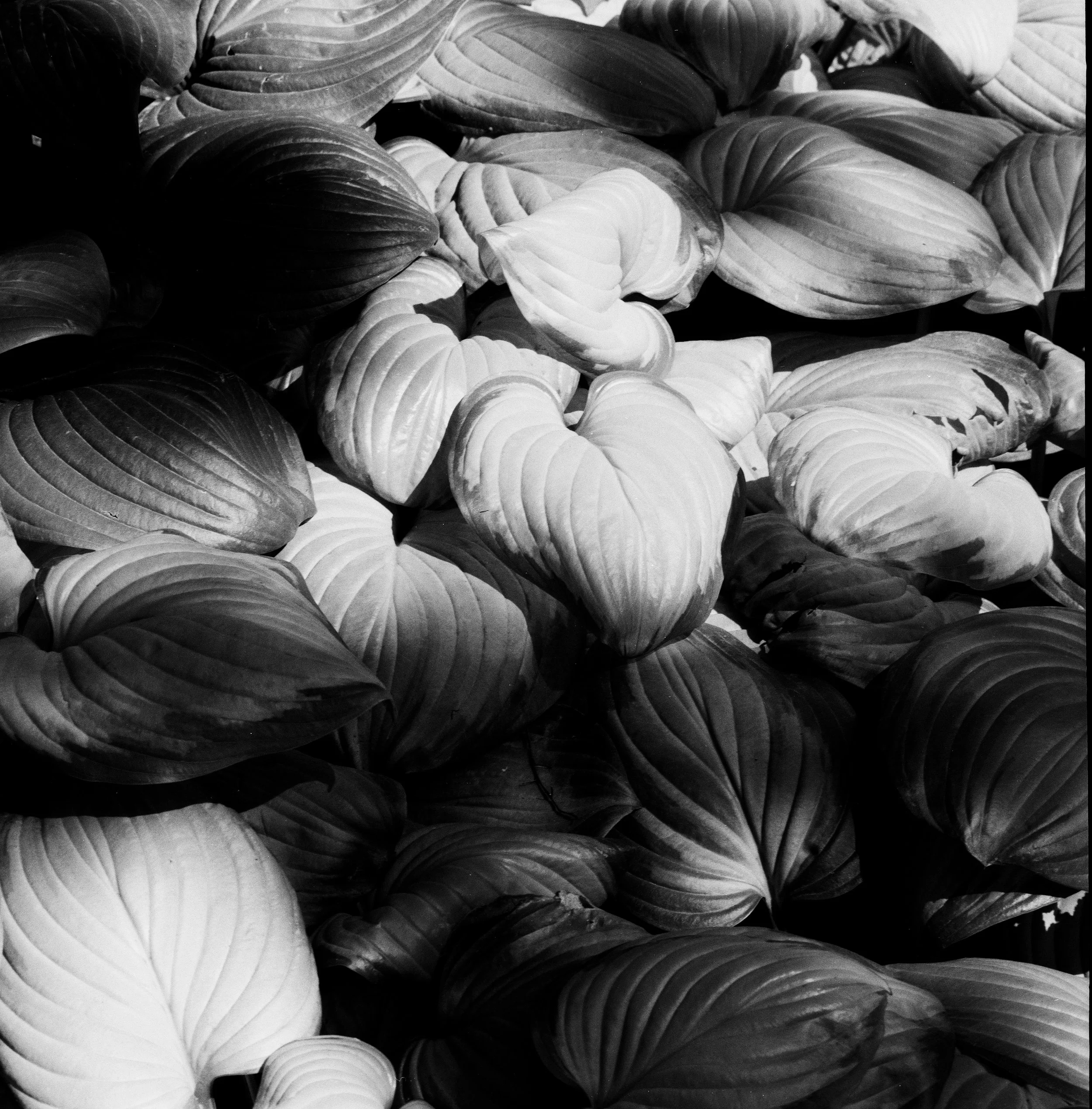
Mamiya 6 G 150mm f4.5 L | Kentmere 400 | Yeonnam Film
Quick Questions and Quick Answers
What is the full frame equivalent?
85mm f2.5
What is the focus throw distance?
180 degrees
How does this lens do with flash photography?
The Mamiya 6 system uses leaf shutter lenses so you can sync your flash across all shutter speeds. It can be a suitable lens for shooting in a studio with strobe or in the field with an on camera flash. (I have no experience using a flash with this lens)
What is the magnification ratio/reproduction ratio for macro photography?
.1x / 1:10, this is the best performer for the Mamiya 6 without the macro adapter for the 75mm.
Is this lens worth buying alone or should I get it as part of a bundle?
I think that for most people this is better off as being part of a bundle or as a deal. If portraits or street photography appeal to you, it's worth consideration. I’ve seen landscape photographers use this lens to great effect but I don't have experience in that field.
How much heavier/bulkier is this lens than the 75mm?
488g vs 250g, so about 2 times heavier while having a much larger profile.
Who is this lens for and who ISN’T it for?
This lens is for anyone who is looking to round out their Mamiya 6 kit for do it all photography. It lets you create portraits that the other two lenses simply aren’t capable of. It is NOT a lens that would be your “one lens to do it all.” For that I would suggest the 75mm f3.5.
Verdict
Despite the learning pains of using this lens with no reviews or articles to refer to, I think this lens is great. The Mamiya G 150mm f4.5 L has its quirks due to the implementation of the Mamiya 6's light meter but the results you can get from this lens, ESPECIALLY for the price, firmly puts it in the hidden gem category for me.
Realistically, this isn't a do it all lens. With a minimum focus of 1.8m you'll find it unsuitable for certain tight shots but for those who enjoy portraits, documentary style street photography or detail shots that still have environmental context, this lens delivers. The quality of Mamiya's optics, especially towards the end of the film era are on another level. It's not the best lens ever. It may even be the worst lens of the Mamiya 6 lineup. The Mamiya 150mm is still a damn good lens and you should consider giving it a chance.
If you’re a portrait photographer or a street photographer who leans towards the 50mm or 85mm focal lengths, I can recommend this lens.
Additional Reading
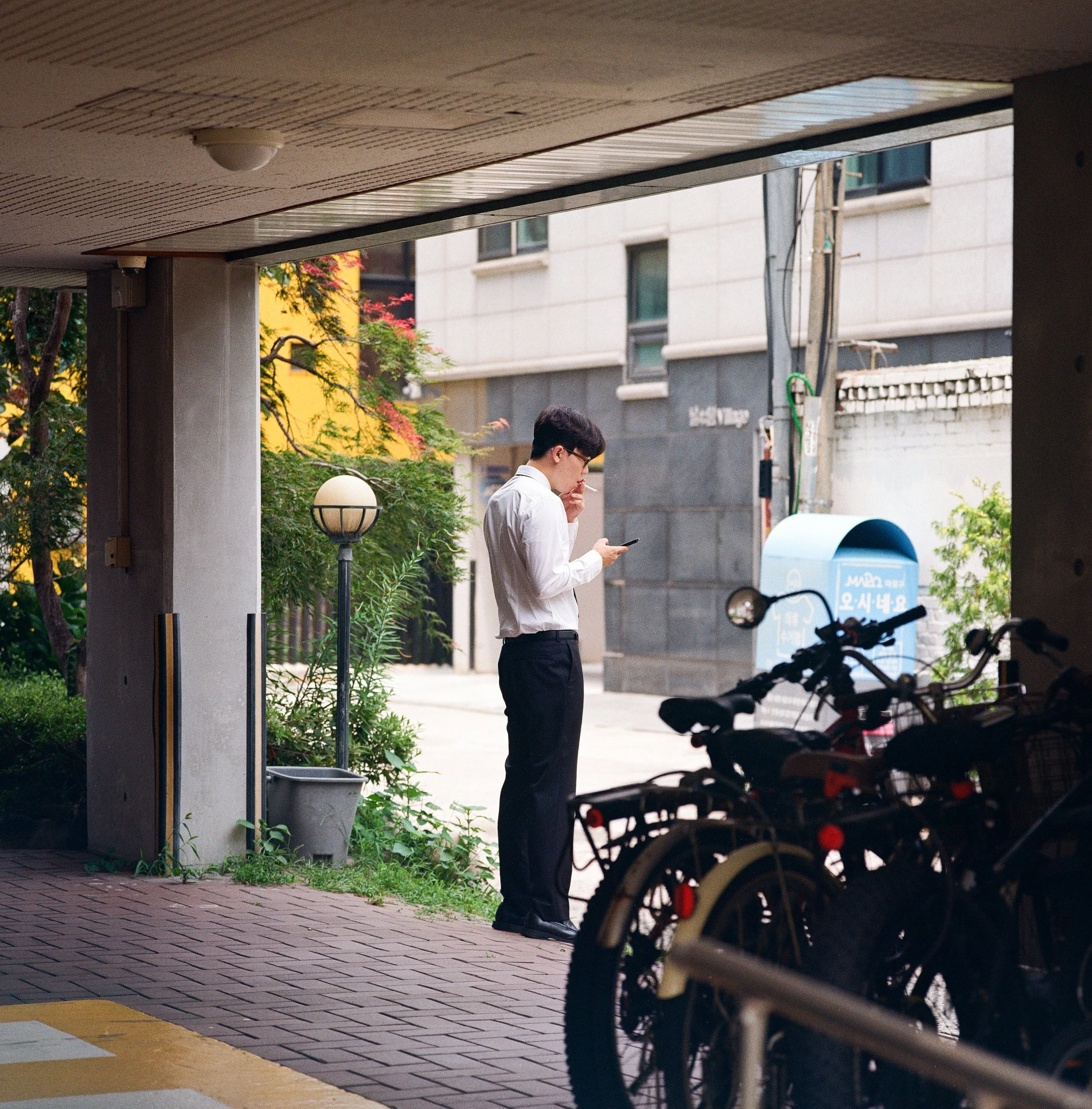
Mamiya 6 G 150mm f4.5 L | Kodak Gold 200 | Yeonnam Film
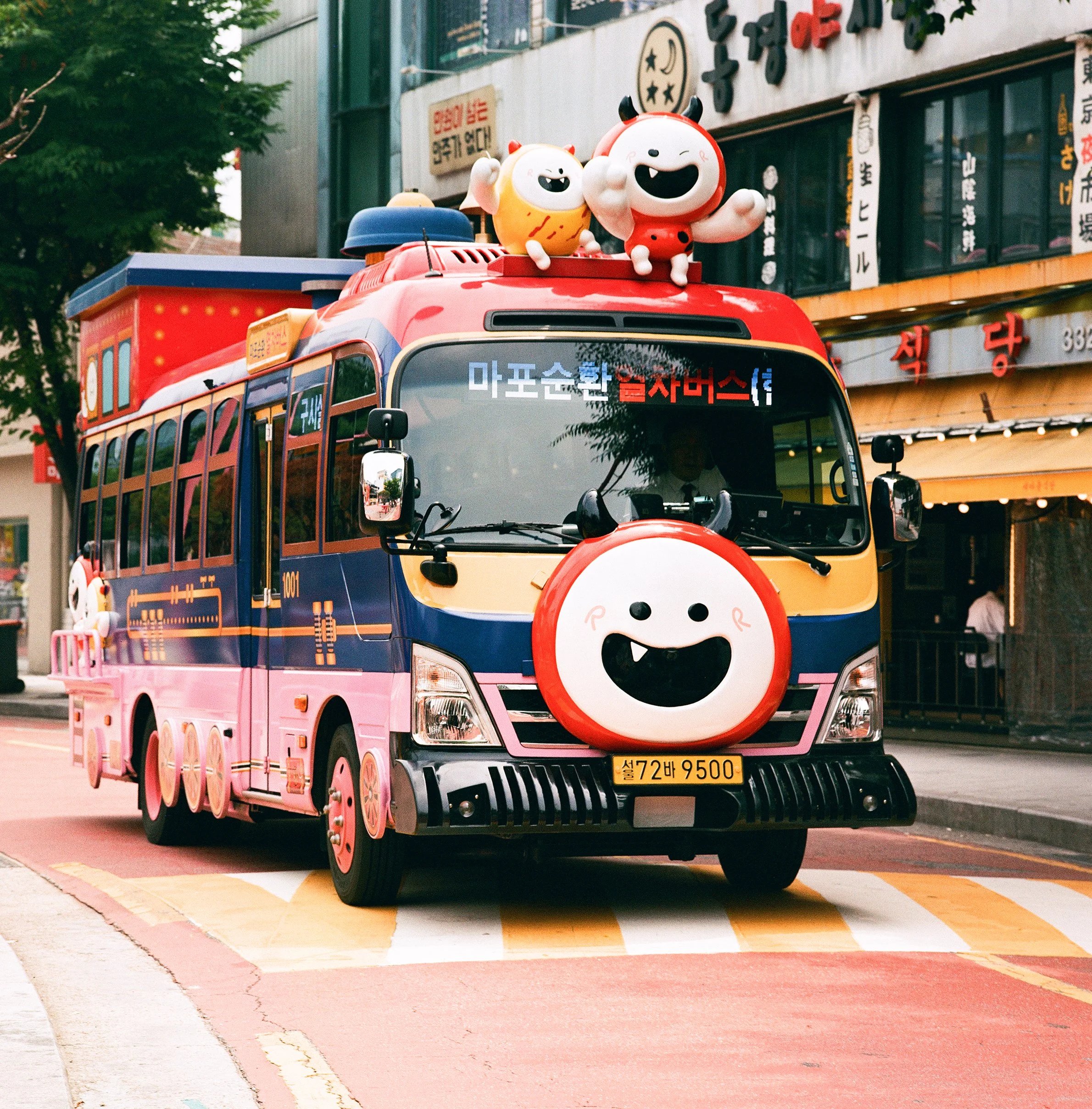
Mamiya 6 G 150mm f4.5 L | Lucky Color 200 | Yeonnam Film | Thanks for reading! :D