Lucky Color 200 120 Review: First Roll After Trying 35mm
While this Lucky Color 200 impressions is being written after shooting my first roll in 120, I've shot it in the past in 35mm. With that out of the way, let's see how it holds up in 120 and see if it differs from its 35mm counterpart.
Shooting Conditions:
We'll be shooting 645 format with the Bronica ETRSi and the kit 75mm f2.8 lens.
Images were metered at box speed although some images were exposed up to +1 when I felt the situation called for it.
Film was developed by our friends at Yeonnam Film in Seoul, South Korea. I didn't give them any special requests so this should emulate the experience you can expect as well.
Edits were done minimally and range from cropping, white balance adjustments to my tastes and adjusting exposure/contrast. I believe this allows us to preserve the film's characteristics for the sake of analysis.
If you want to know how it handles being pushed, see here.
Lucky Color 200 Pros / Cons
Pros:
Colors are vivid and punchy
Price (3 pack for $30 at Reflx Lab)
Images are easy to work with in post
Tones and colors are appealing in a range of shooting situations
Images are sharp and grain is unobtrusive even at 645 and especially compared to its 35mm version.
Cons:
Somehow the tape at the end of the roll unwound, got caught on my film back and ripped my film back off the camera onto the pavement.
To anyone shooting this roll, BE CAREFUL WHEN REMOVING THE FILM.
Edit: I tried a second roll and this roll started to get stuck after the final exposure, requiring concerning force to finish winding the film. The end of roll tape is consistently a pain point.
While good, exposure latitude doesn't match Kodak's great. Night shots can come out well but just like 35mm they can look like they can fall apart quickly without accurate metering.
Availability worldwide is still spotty. It's readily available in Asia but I don't see as many western retailers carrying it if you need it quickly and can't wait for shipping across the world
Results:
Daylight:
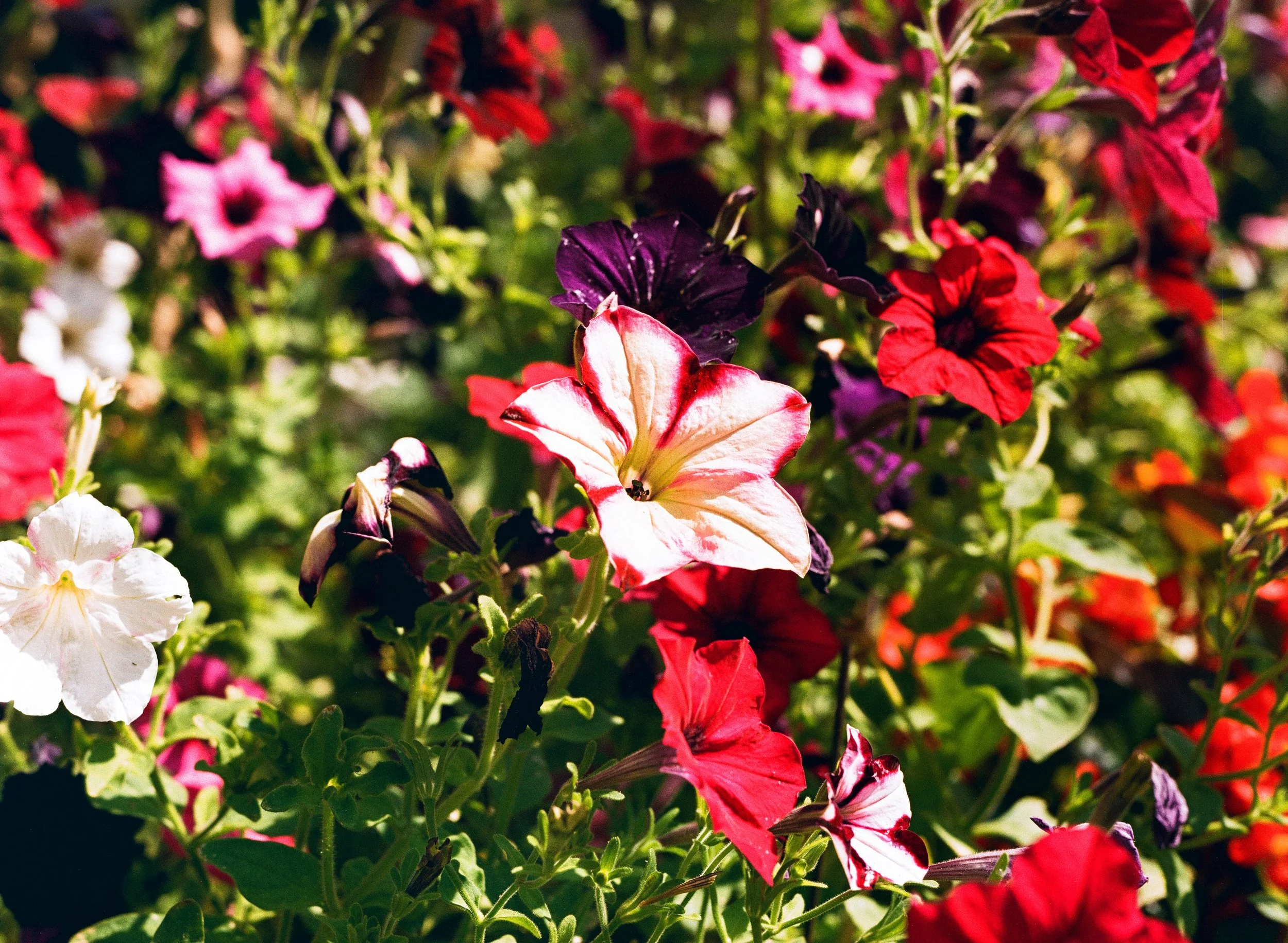
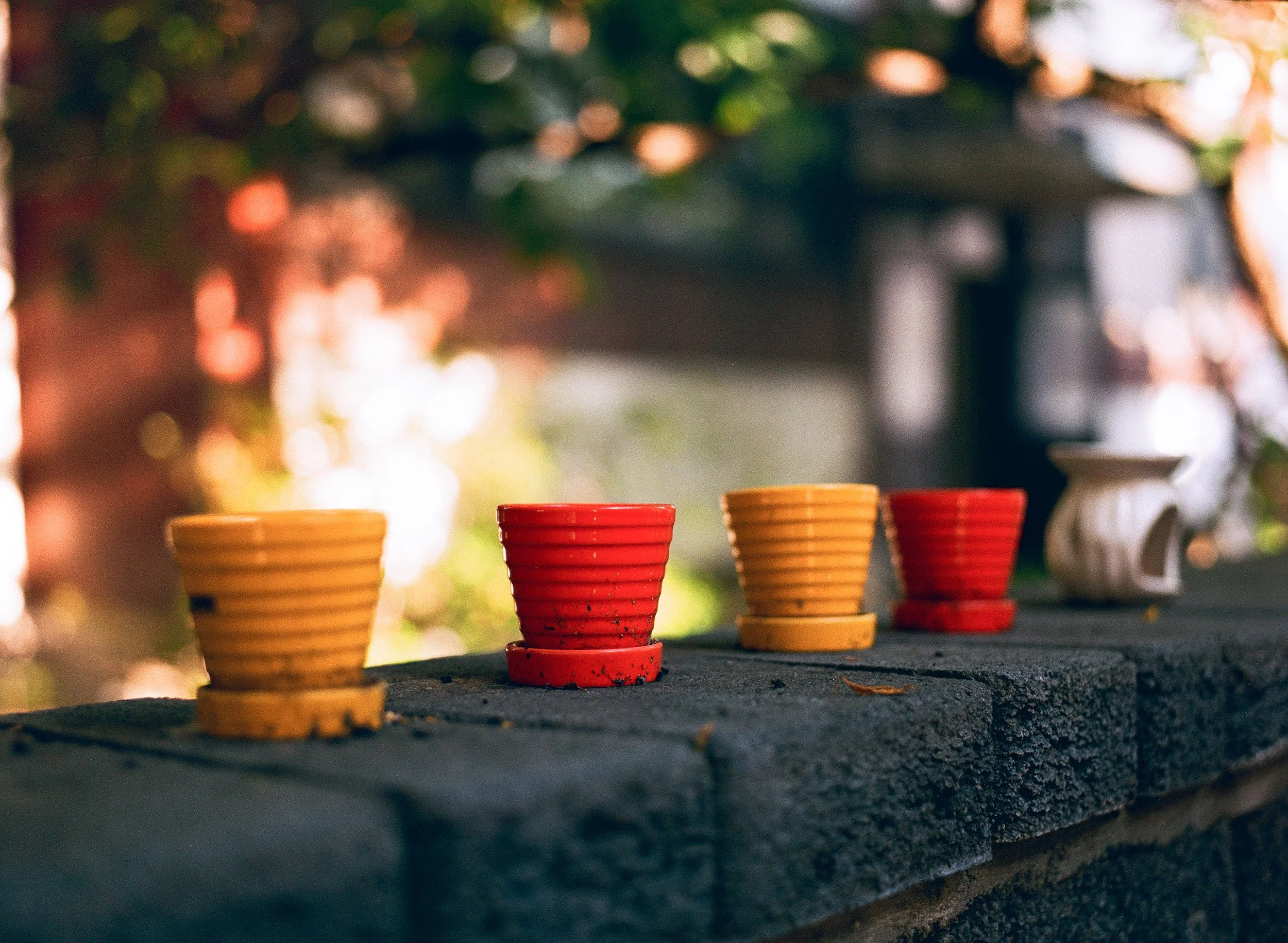
This is where Lucky Color 200 does its best. Colors have a nice saturated vibrancy and most importantly, I think they're true to life while maintaining a "look". I found this to be a similar performance to its 35mm counterpart.
The best case scenario for Lucky Color 200 is when shooting something simple like a front lit flower. You can see how the colors strikingly stand out. Especially those reds.
The red tones are the reason to shoot this film.
When shooting through branches to photograph a budding fruit, the blue bokeh balls of the sky are lovely shades of blue, the leaves of the tree have wonderful warm shades from the sunlight and texture in the leaves are crisp.
This bright daylight shot shows a flaw in Lucky Color 200. Looking at the fruit, you can see the hot spot on the fruit is starting to blow out. This fruit has high contrast between the shadows and the highlight but the film can't handle such a large difference in exposure values.
Golden Hour:
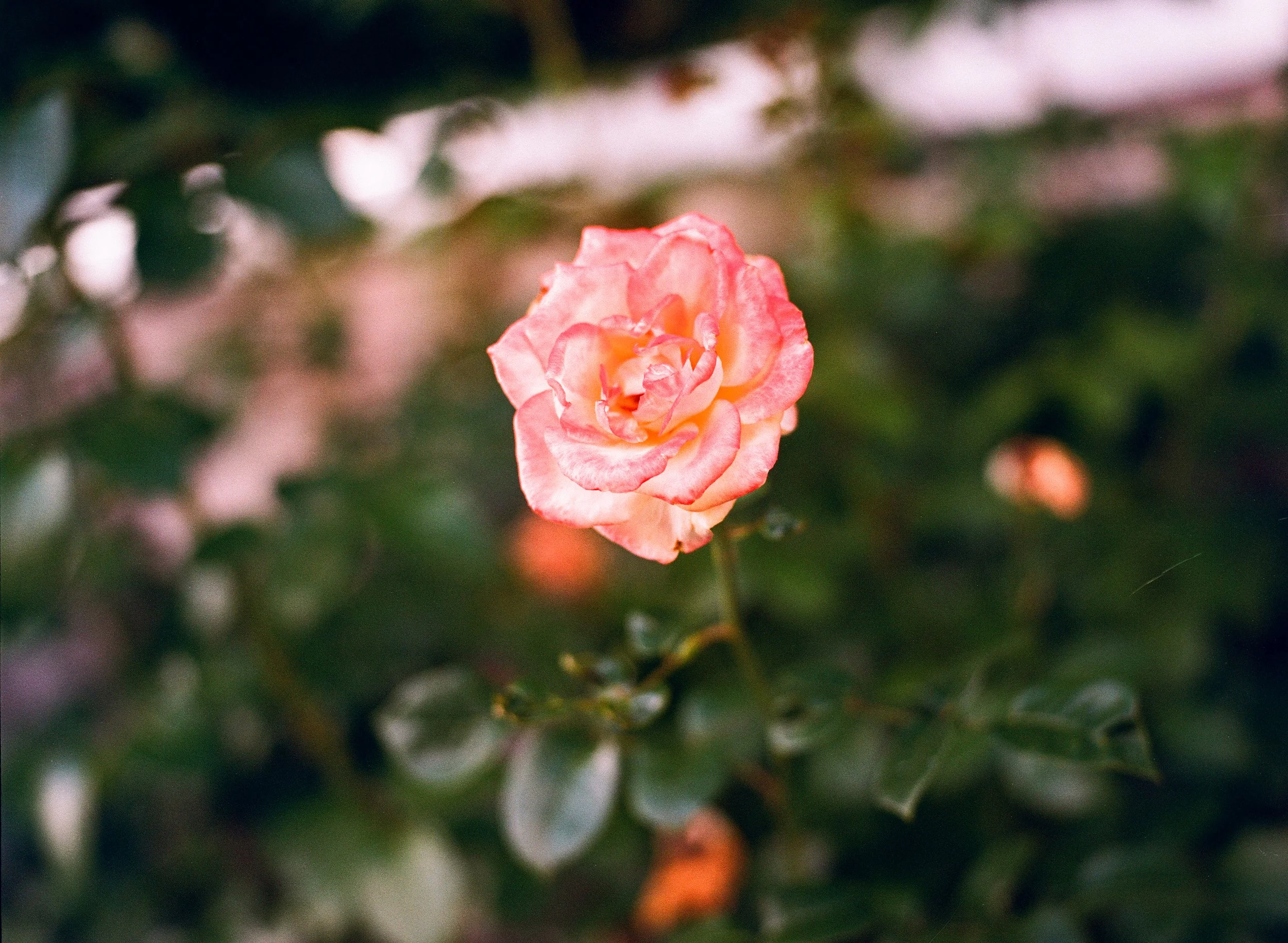
With golden hour generally being less harsh, Lucky Color 200 did well. After seeing its performance in daylight I believe this is to be expected. The warm mid-tones and highlights give the images a really nostalgic look and the cool undertones are a nice match to keep the image from being too warm. Shadows and areas not lit by the golden hour light get blotchy and muddy quickly but this is a common trait in film. If it had a bit more exposure latitude I'd say overexpose a little to protect your shadows but I'm not 100% sure how that'll play out. Something I'll look to test in the future.
Night:
Quite frankly, this is where I expected the film to fall apart. With my previous experience, I only shot broad daylight so this was my first time shooting at night and I didn't know what to expect with a 200 speed film at night.
I was pleasantly surprised though! What stood out the most to me was that the light spilling out from street lights had a nice warmth but the lights themselves didn't always have that same tone, which was odd.
It's a particularity but it gives the images a nostalgic and vintage tone. Not only that but it feels distinctly unique to Lucky Color 200 so this could be a film you specifically go to for that look. Against the blue cool tones of the shadows, this look is really appealing to the eyes. Shadows are a bit muddy but in 120 the grain isn't too big of an issue like it would be in 35mm. I would like to do an entire roll just at night and see how that goes.
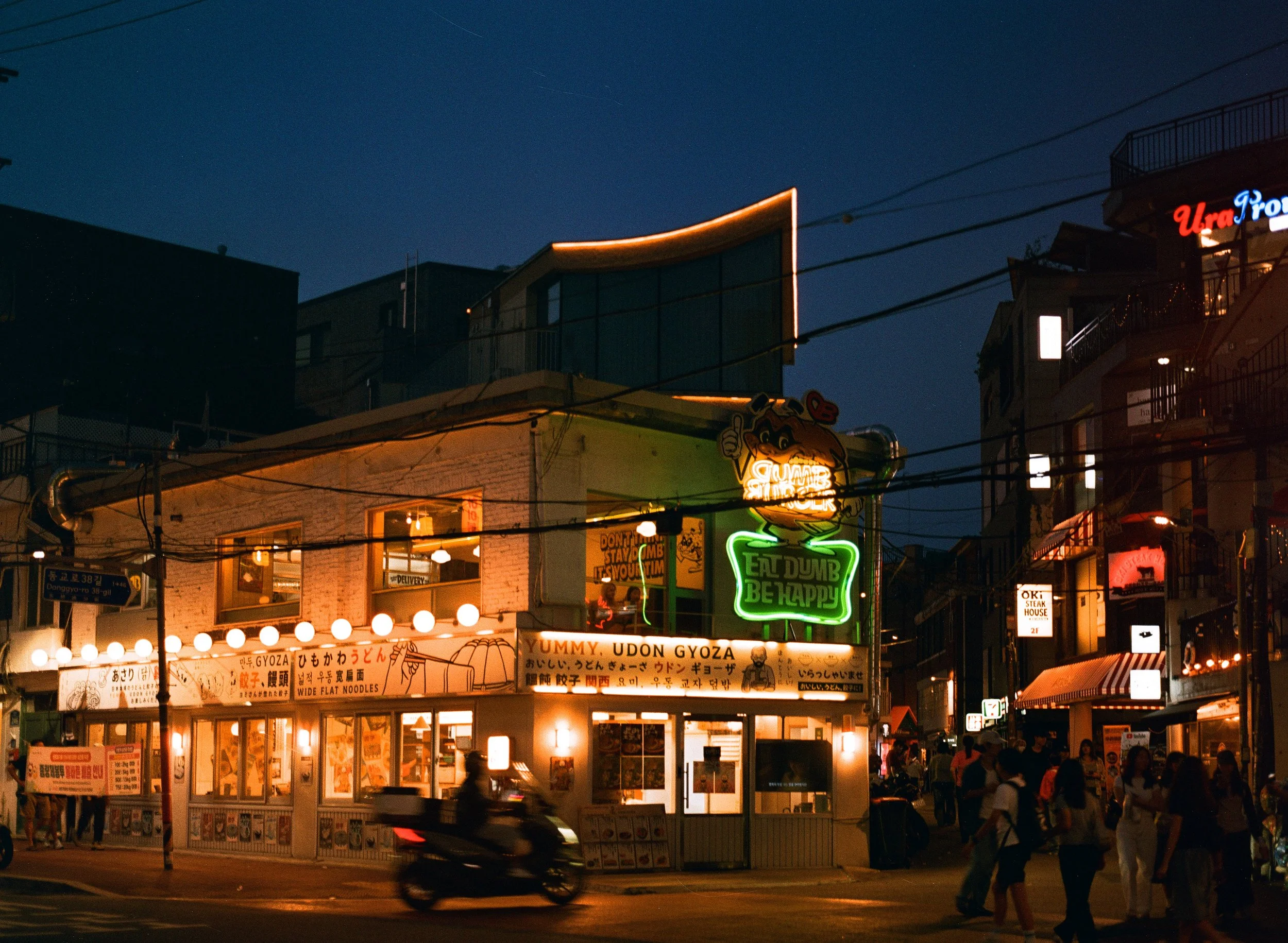
Bronica ETRSI, 75mm f2.8 | Lucky Color 200 | Yeonnam Film
With good metering, slow shutter speeds and patience, high quality shots can be achieved. While it would be easier on Kodak’s offerings, Lucky Color 200 is capable of producing night shots that are genuinely more than just good.
Alternatives:
Gold 200:
Kodak Gold 200 will be what most will compare Lucky Color 200 against. Both are budget films with ISO ratings of 200 and come in around the same price. I think one of the deciding factors will be pricing depending on your region and availability. Even if the price is the same, if Lucky is hard to get because your local film shop in Europe or the Americas doesn't have it, well the choice is already made for you. If both are available at the same price, I think what you should consider is:
will I be shooting high contrast situations?
will I need leniency in exposure?
what kind of look do I want? Soft or punchy?
Ektar 100:
Despite Kodak Ektar 100 being a bit more expensive and a different speed, I think that it's a good alternative if only because it also is a film that's used for its colors. While they don't have the same tones and rendering, Ektar is also a saturated film that can be used to similar effect for striking colors. I think if you need something a little cheaper than Ektar or want the Lucky 200 tones, it could be a valid film to have instead or as a companion.
Thoughts so far:
I'm really impressed! I was happy with this film in 35mm, sure, but it doesn't compare to how it looks in 120. The larger negative size helps with the grain size and sharpness, which weren't bad in 35mm but noticeably behind Kodak. Not only that, but I think that the colors looked better in 120 as well. I'm not sure if that's because of what I photographed this time around but that's something to explore in the future.
Regarding the issue with the tape of the film roll: I really hope that I've just been unlucky twice. It doesn’t instill confidence in me that I’ve had issues with the tape that led me to worry I may use enough force to damage the film back or the that it literally ripped my film back out onto pavement. :/ This should be one of the easiest parts but I don’t want to use a film that may cause physical damage to my cameras if this issue persists.

Bronica ETRSI, 75mm f2.8 | Lucky Color 200 | Yeonnam Film
Honestly, I'm excited to shoot and try this film in more situations. I think Lucky Color 200 has a great look for street photography which is mainly what I do. If you want to see how the 35mm stacks up to 120, you can see that article here.
Alternatively, I also reviewed the other newest color negative film, Phoenix II in 120 and you can check that out here. (Let's just say Phoenix II didn't do as well as Lucky's offering did)
Thanks for reading!
Extras Gallery:
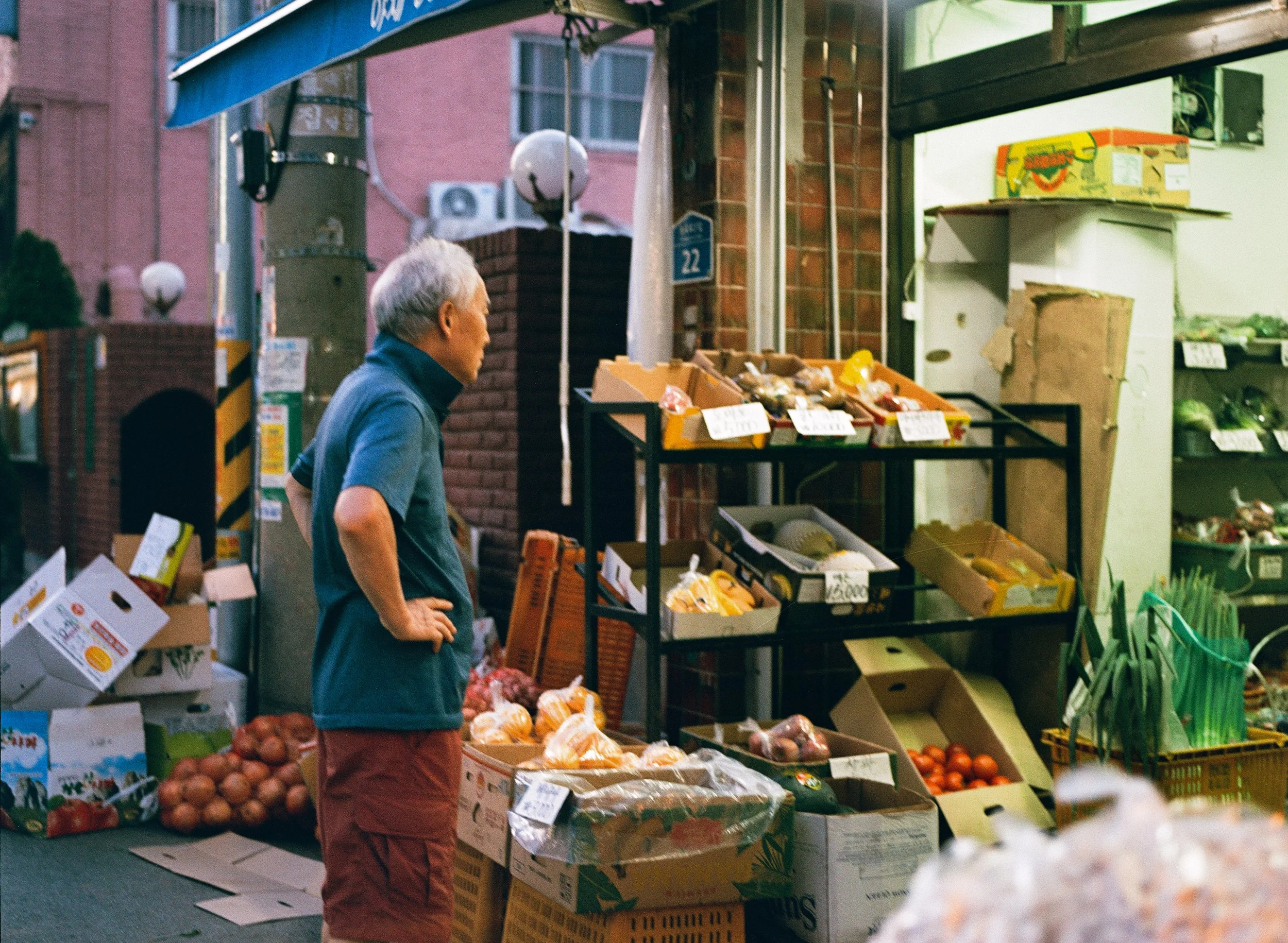
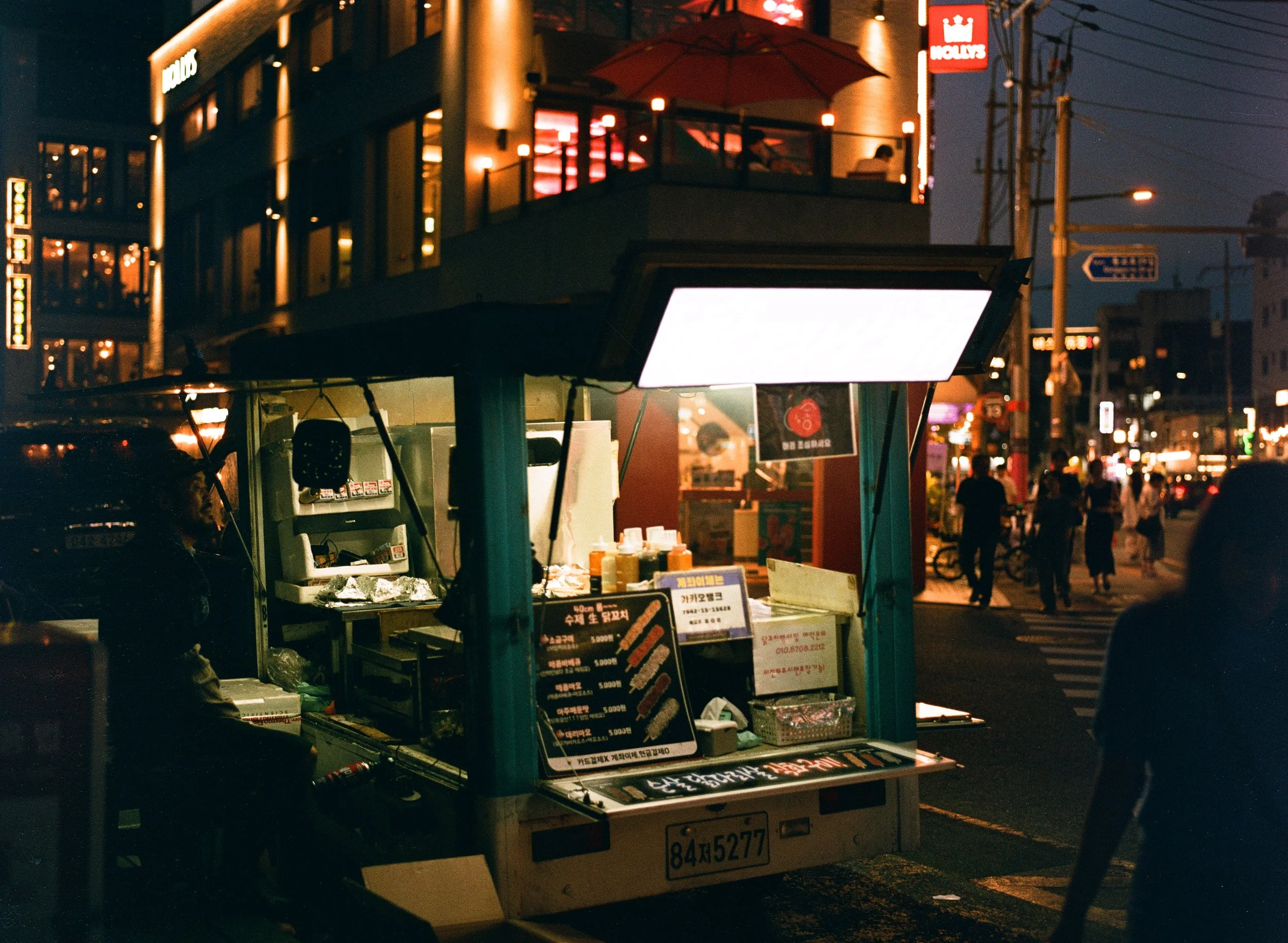



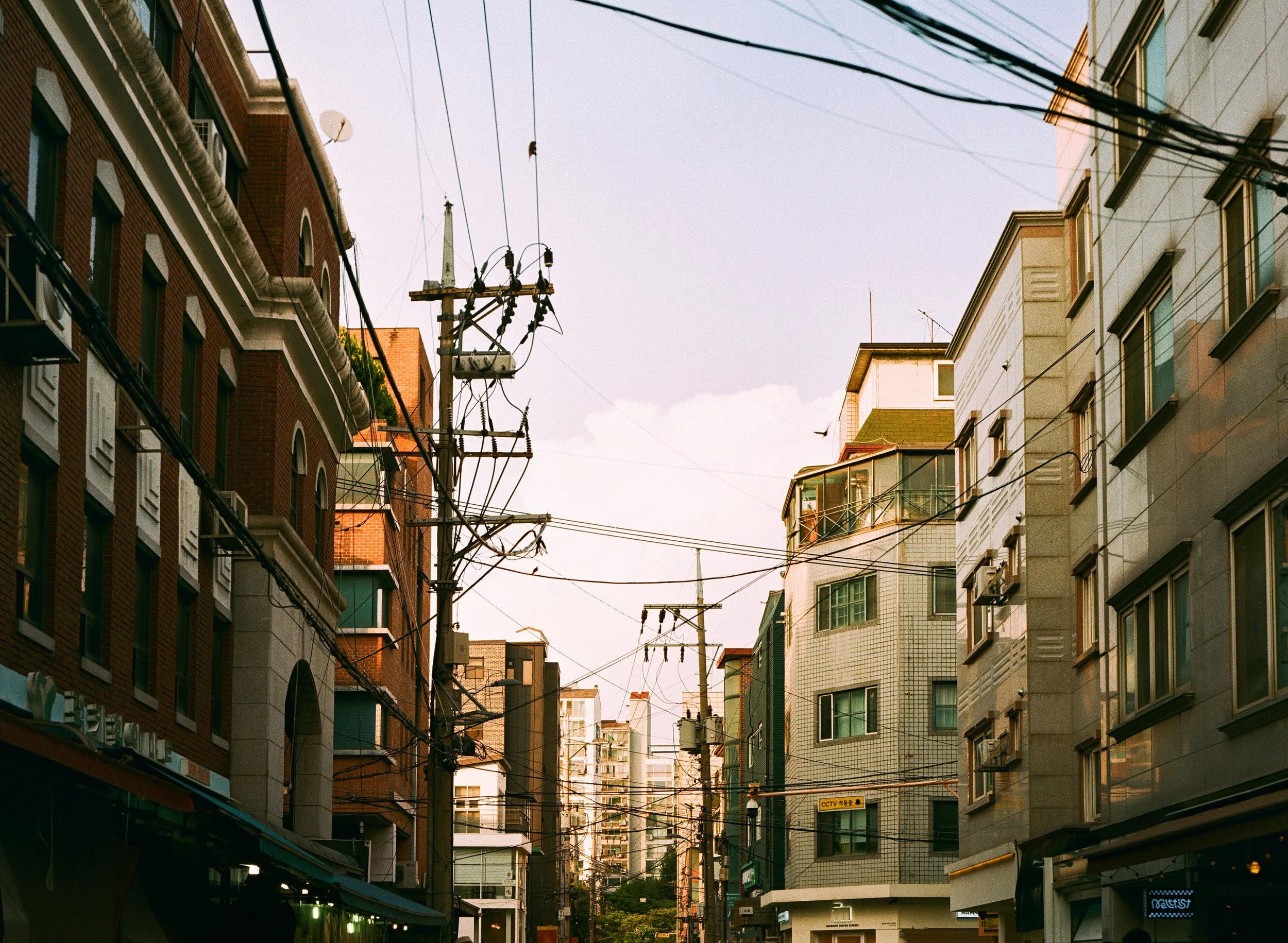
Small note: I noticed the streaks on the bike shot but they’re not on the negative. I’m not sure what happened there. :(
Additional Reading:
Mamiya 6 150mm Review - See this film in action as part of this review of one of the least reviewed medium format lenses online.
Phoenix II 120 Impressions - Another of the newest film releases in the 2020’s. Come find out if it holds up like Lucky Color 200 did.
Lucky Color 200 in 135 - Same film, different format. Performance may differ more than you expect.
Lucky Color 200 pushed to 400 (135) - Testing this film’s ability to push for situations with less light or where you might want faster shutter speeds and tighter apertures.