Mamiya 6 Impressions: Real World Use and Struggles
The Mamiya 6, a holy grail for many street photographers and a camera that is often touted to be one of the best cameras for travel and possibly of all time. It’s a camera that somehow showed up at my local camera store and I somehow convinced myself to impulse buy.
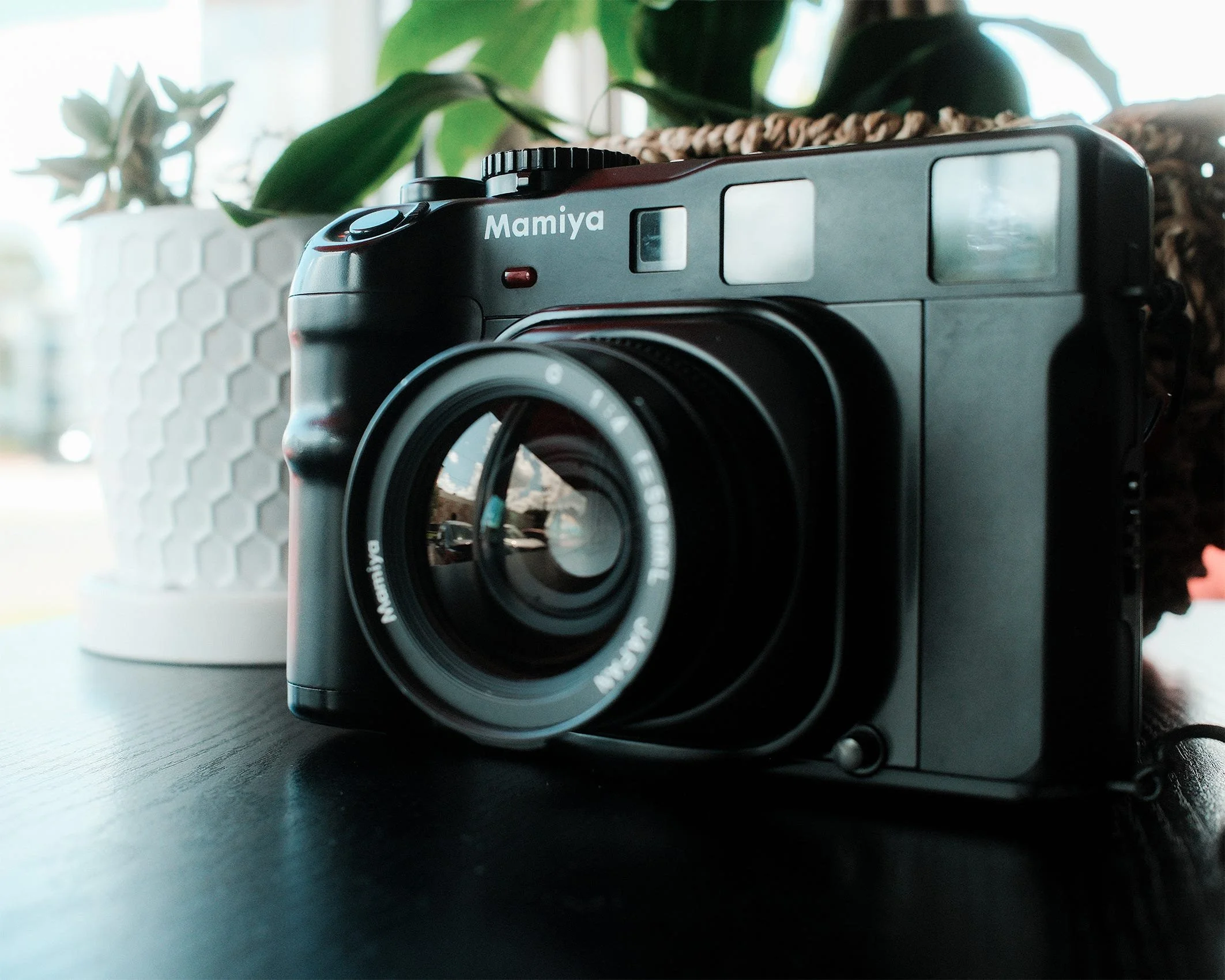
Mamiya 6 on the Fujifilm X100VI
After a busy weekend exploring Georgia and Florida and 10 rolls of film later, I have some opinions on the Mamiya 6. What a shocker.
Disclaimer, this is just honest first impressions and I don’t think it’s going to be the impressions most people have regarding it.
Mamiya 6 Experience
One of the most important things for a camera that’s going to be used for travel and exploration is how it handles. I’m happy to say with the Mamiya’s retracting lens design this lens excels at being an easy camera to bring with you through an air port. It’s light weight, compact (for a medium format camera) and its ergonomics are a joy. It fits in the hand and around the neck wonderfully.

Mamiya 6, 50mm f4, Kodak Gold 200, Brooktree Film Lab
Moving through downtown was a breeze and while it definitely stood out as a giant black brick around the neck, it only started to feel like a giant black brick around my neck after 6-8 hours of walking through a huge metropolis.
So far, I’ve sung the praises of the Mamiya 6 non-stop. The same praise nearly every other review online has sung.
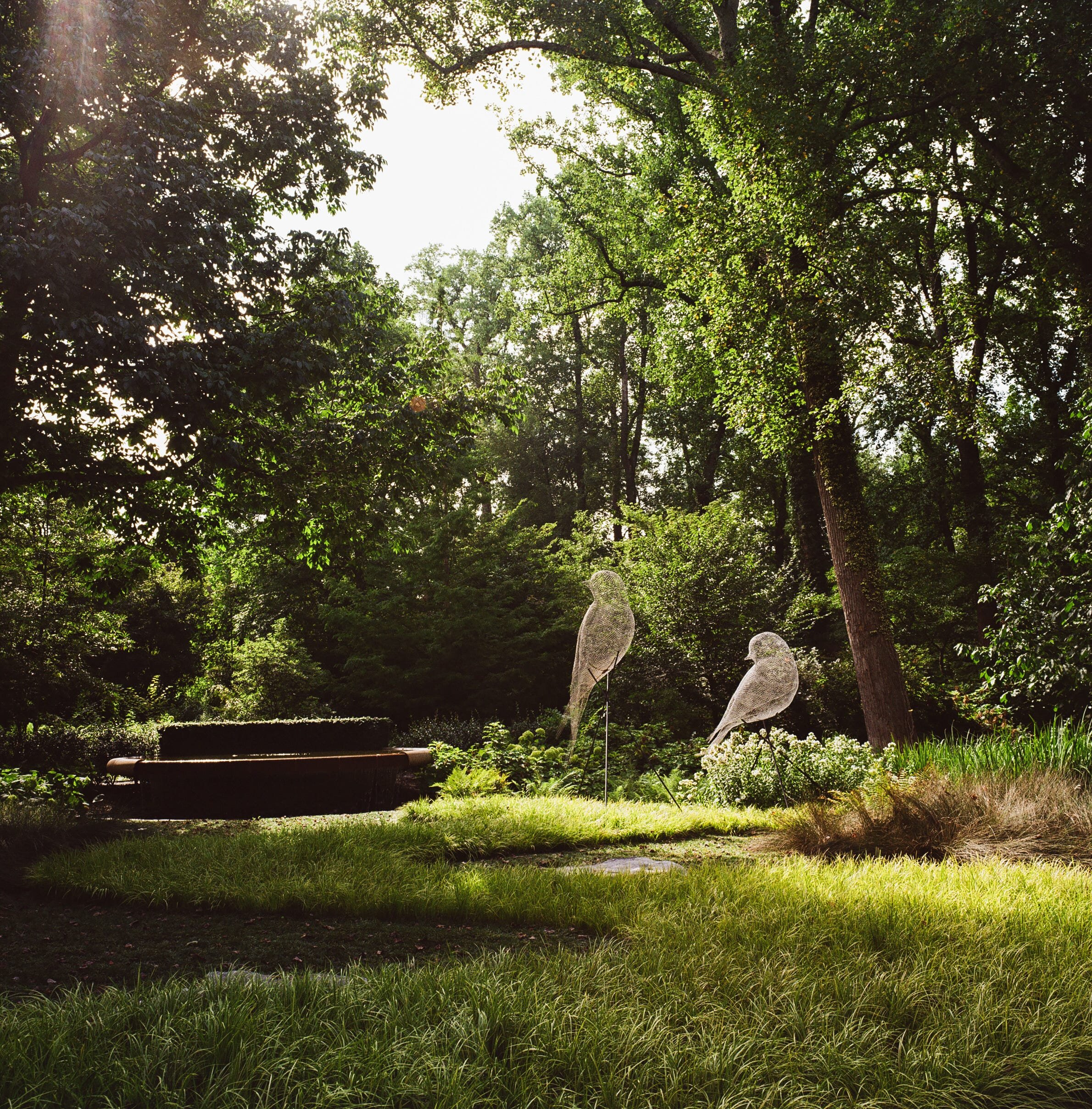
Mamiya 6, 50mm f4, Kodak Gold 200, Brooktree Film Lab
I have yet to mention what may be the most important thing when it comes to the shooting experience of a camera: the lens you have attached to it. My Mamiya 6 came with the renown 50mm f4.
This lens has warped how I view this camera in every way imaginable. For those, like me, who don’t know, a 50mm in medium format 6x6 is approximately 28mm. That’s a pretty wide angle lens for someone who mainly shoots around 50mm.
This 50mm lens single-handedly makes me not want to use this camera anymore.
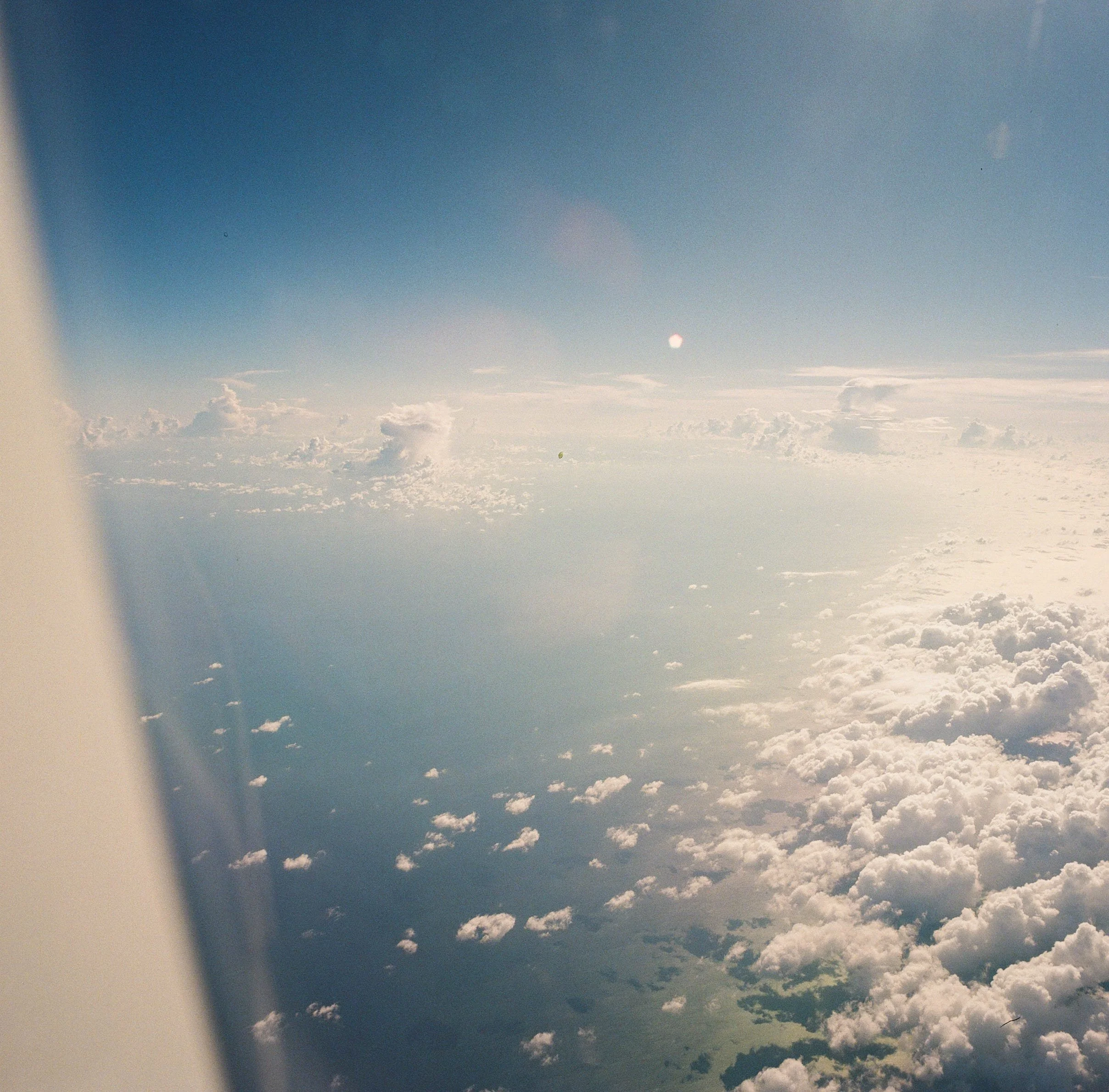
Mamiya 6, 50mm f4, Lomography 400, Brooktree Film Lab
I know for some people the 28mm equivalent “puts them in the shot” but I like to shoot 50mm. I like to observe life and not harass people by putting the lens up against them. It really feels like it has no consideration for their boundaries.
For every shot and experience I had with this lens that I enjoyed, there were multiple more that I didn’t.
It’s likely that a wide lens like this would be amazing for something like landscapes, documenting your time in tight spaces, etc.
Architecture and landscapes are two genres I see photographed most with this combination. Two fields that interest me but that I don’t get to shoot often anymore. However, seeing what others can accomplish with this kit makes me want to try it more too.
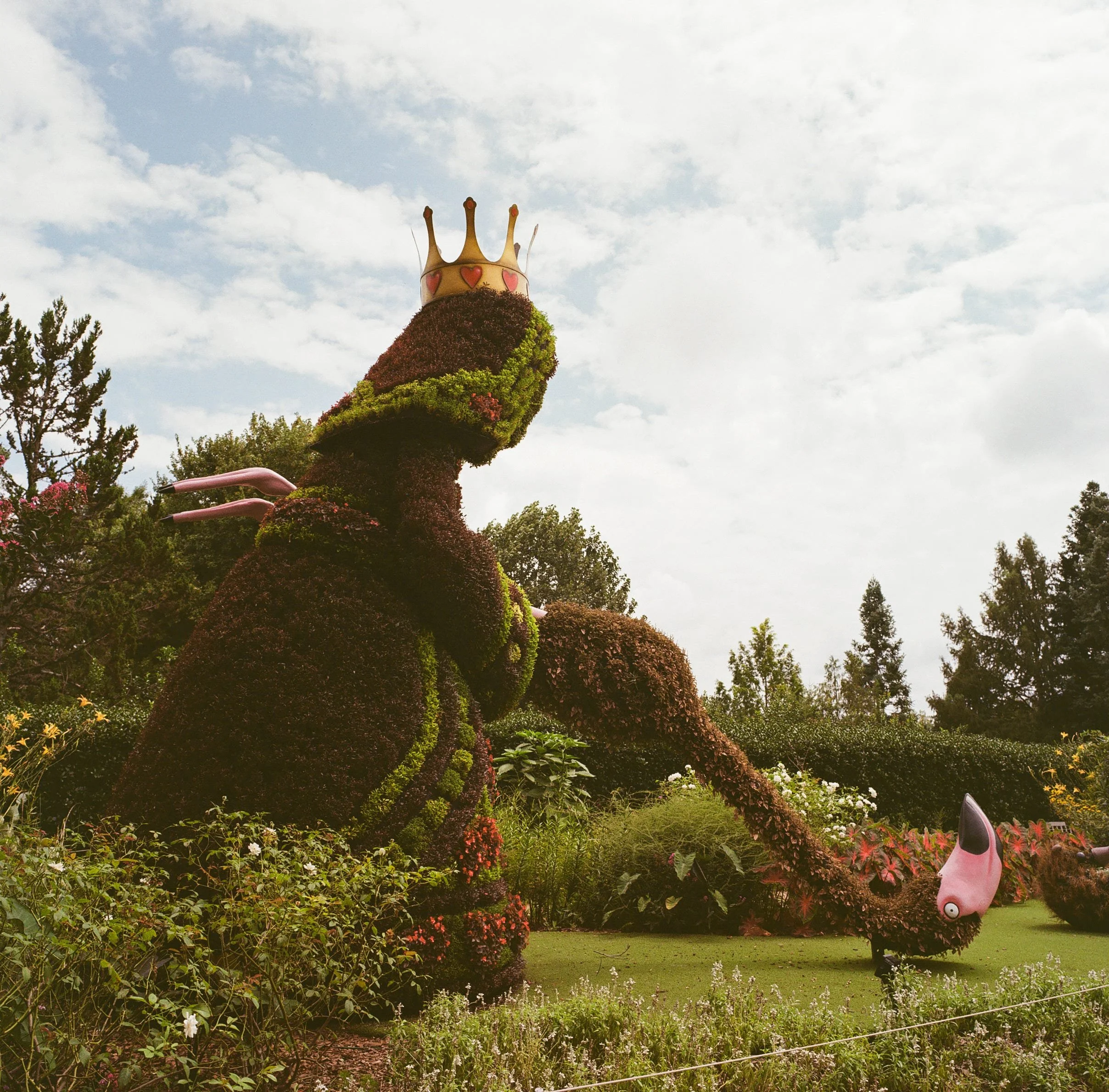
Mamiya 6, 50mm f4, Lomography 100, Brooktree Film Lab
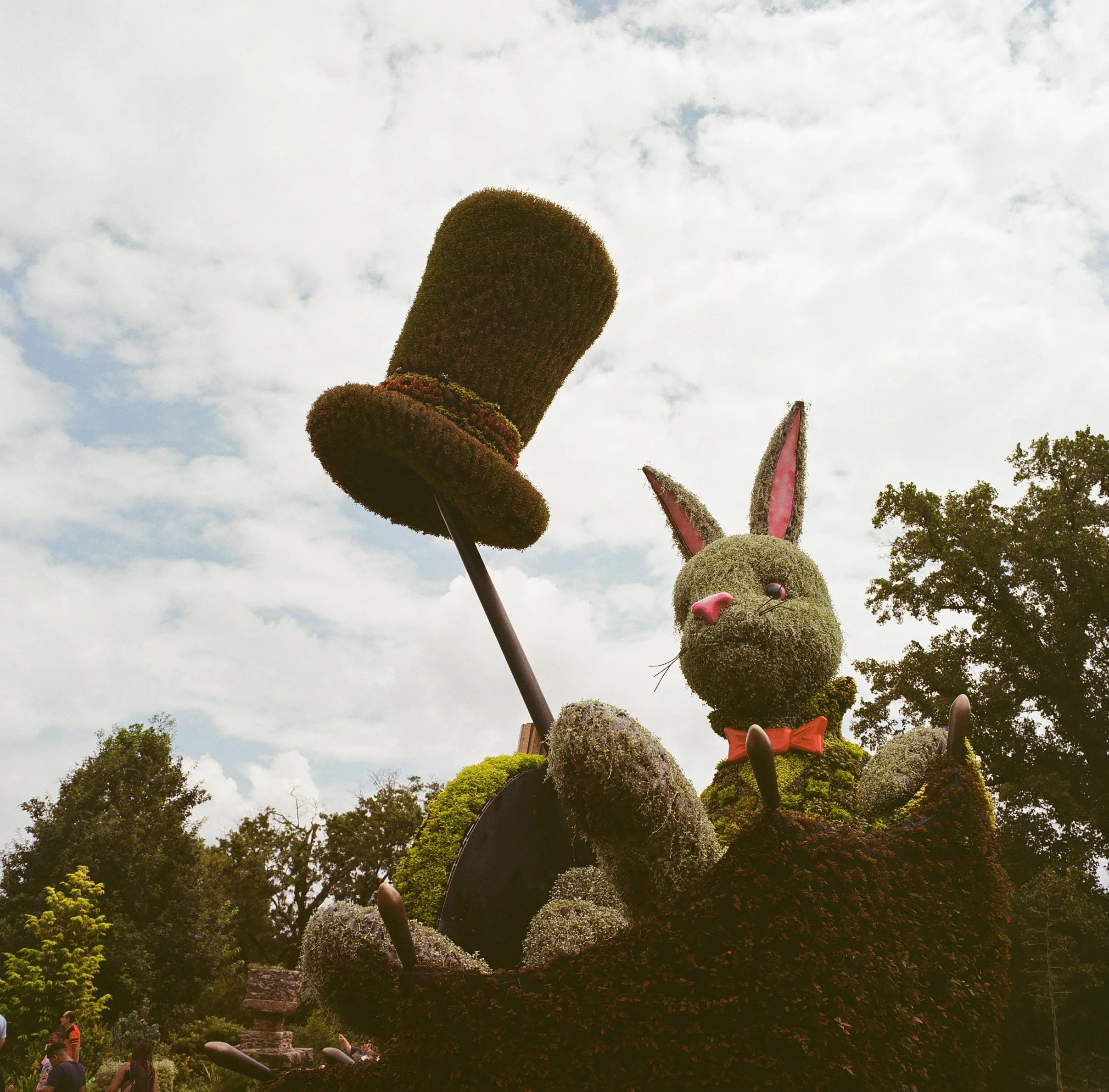
Mamiya 6, 50mm f4, Lomography 100, Brooktree Film Lab
Despite all the complaints about the wide angle lens, I have to admit that the images that come out of this camera are sharp. Razor sharp. The Mamiya 6 has no reason producing images this lovely with how lightweight the kit is.
Not only are the images sharp but the rangefinder is incredible. I will say this: Phase One is the reason Leica’s have the best rangefinders right now. If Phase One hadn’t purchased Mamiya and stopped production of the Mamiya 6 and 7, we could be living in a world where Leica would actually have to innovate and bring out competitive cameras to keep up with how bright and wonderful the rangefinders and lenses from Mamiya are.
I digress, the Mamiya 6 and 7’s have the best rangefinders I’ve ever used. If you care about rangefinders and they’re your favourite camera to use, I’d say these are the ones to have.
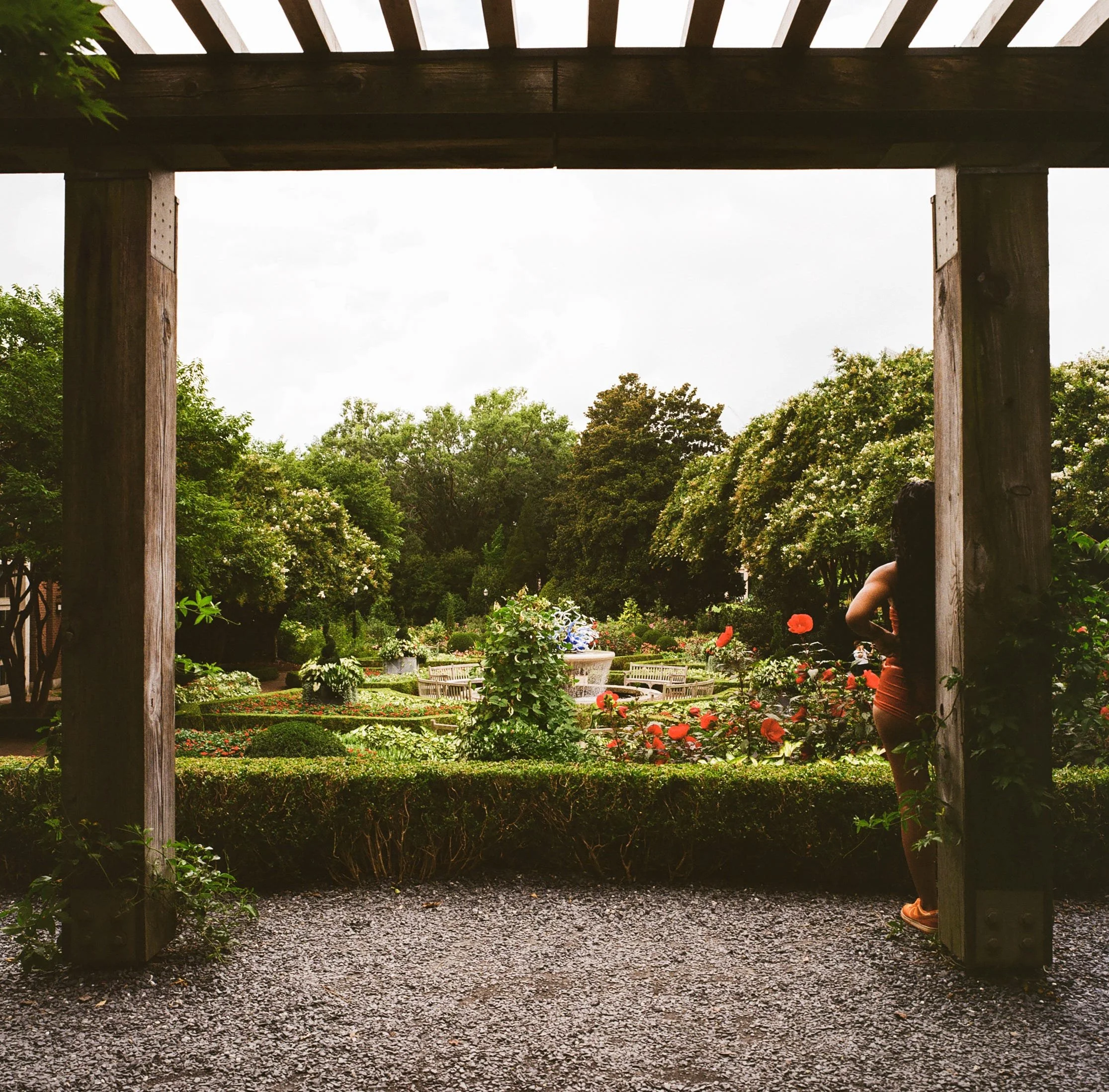
Mamiya 6, 50mm f4, Kodak Gold 200, Brooktree Film Lab
Mamiya 6 Pros and Cons
Being first impressions, it’s hard to give a full list of pros and cons but these are my findings thus far:
Pros:
The Mamiya 6 has the best viewfinder & rangefinder of any camera I’ve tried. Focus is easy and accurate
The retracting lens mount makes for great portability
The body being plastic makes the weight lower while not feeling like “cheap” plastic.
The viewfinder’s framelines automatically adjusts for the lens you’re using
Incredible sharpness and quality
Easy system to “complete” (Only 3 lenses)
The system uses leaf shutter lenses allowing flash sync across all speeds up to 1/500
Apparently China has started to reverse engineer the electronics and produce new replacement parts to allow repairs to be done
Cons:
Fragility of the camera
Lens selection is limited
Price of the lenses
I wish that the viewfinder window was similar to the Contax G series where it properly displays the frame in the viewfinder based on the lens attached. This was a technical marvel of Contax’s but now that I’ve tried it, I crave it with other rangefinder style cameras
Mamiya 6 Final Thoughts (So Far)
It’s odd to have “final” thoughts on a first impressions post but alas. For now, I’ll keep this camera. Despite disliking the lens I have now, I love the ergonomics and experience of the Mamiya 6.
Since writing this, I’ve received the 75mm and 150mm lenses to complete my Mamiya 6 kit. I’ll be revisiting this camera in the future with reviews for those two lenses and a reexamination of this lens and camera.

Mamiya 6, 50mm f4, Lomography Metropolis (Expired+Leaked), Brooktree Film Lab
As it is, I love the camera as an introduction to Medium Format film photography. I hope to grow to love it more with lenses that don’t make me want to tear my hair out.
Can’t wait to see how this review goes over after talking so negatively about Leica and the 28mm focal length.
See you guys soon with the next one. :-)
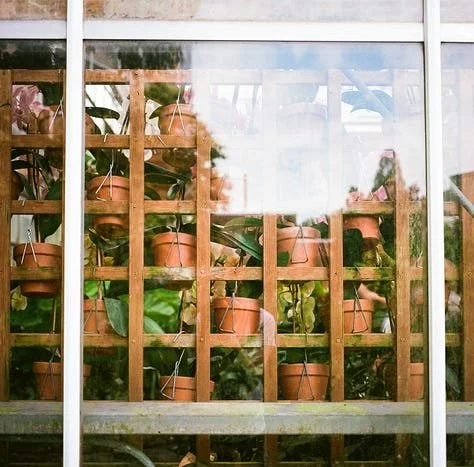
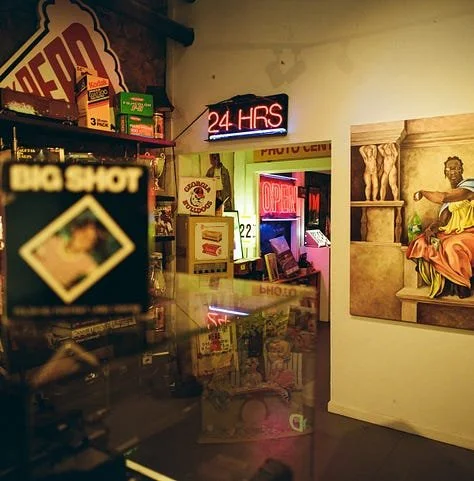
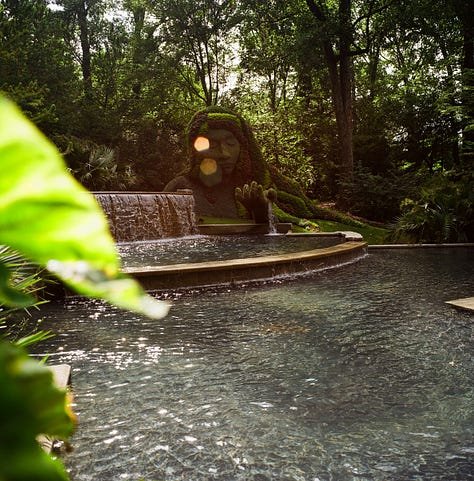
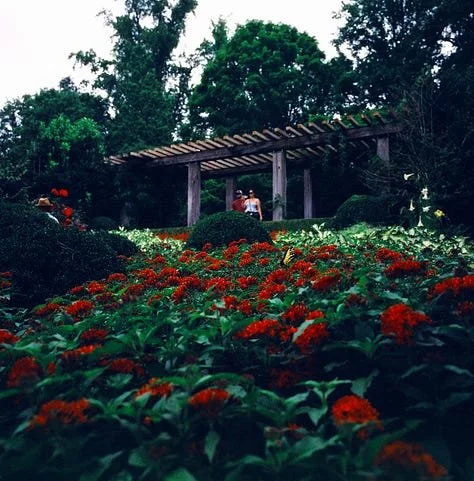
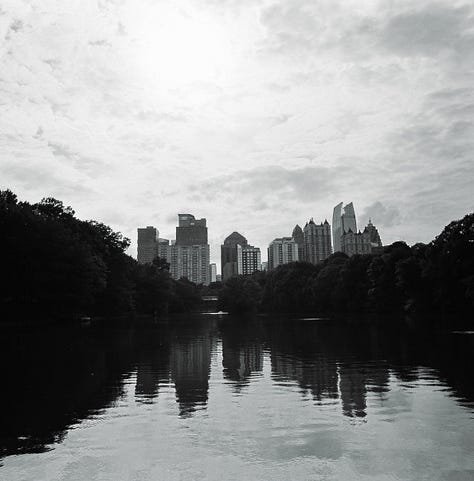
Mamiya 6 Sample Images




Additional Reading:
Mamiya 6 150mm Review - Despite being decades old, this lens has been avoided by every reviewer online. I decided to see why.
Mamiya Sekor 80mm f1.9 Review - A real world look at using this legendary lens for street photography and the cost of a razor thin depth of field.
Phoenix II in 120 - impressions of one of the newest films to hit the market in 2025 a the film featured in this article
Lucky Color 200 in 120 - a truly new film that may be able to compete with Kodak
Olympus Pen F - my favourite companion camera to the Mamiya 6 when traveling.