Olympus Pen F Review: Best Budget Film Camera in 2026:
In this love-letter disguised as a review, let's go into the Olympus Pen F being one of the greatest cameras in a vertical content day and age.
The Olympus Pen F is a half-frame film camera that can shoot more than 72 photos on a single roll of film. Originally released in the 60’s, it remains one of the most compact & feature-rich film cameras ever made. For beginners and enthusiasts alike, the Pen F is an affordable way to get into film photography while making every roll of film last longer.
Quick Specs:
Olympus Pen F (1963)
Camera Type: Half-frame 35mm SLR
Frames Per Roll: ~72+ exposures
Lens Mount: Olympus Pen F mount
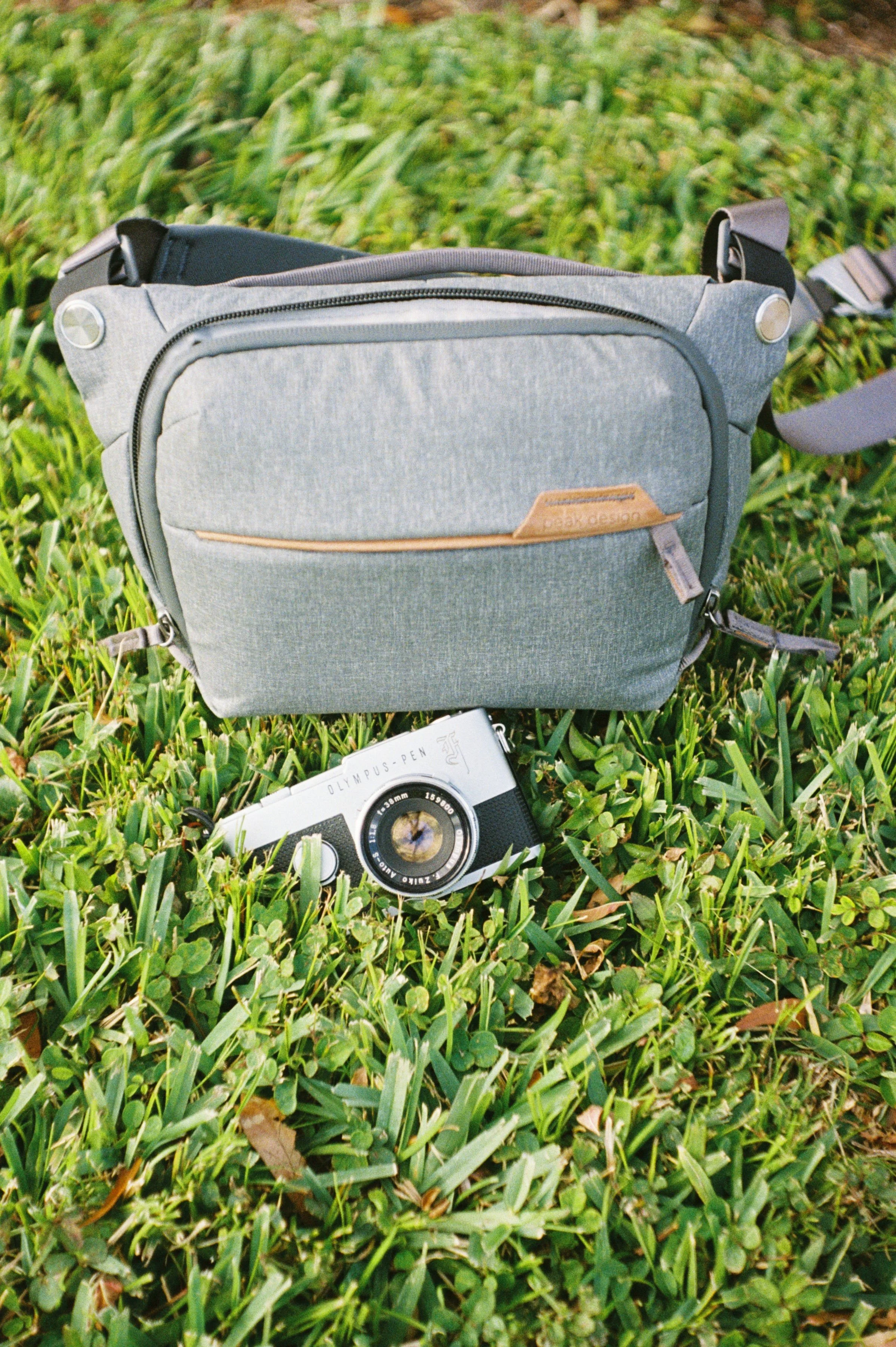
Yashica Electro 35, Kodak Ultramax 400, Coastal Film Lab
After 18 months of owning, shooting with and traveling around the world with the Olympus Pen F, I’ve decided to write about it, review it and put down my thoughts on this Half Frame SLR that is the perfect fit for experts and beginners alike.
With the world moving to social media to share their photos, the Olympus Pen F is the perfect companion camera for all photographers today.
Backstory
In 2024 after more than a decade of shooting digital, I decided to dive into film photography. After weeks of research, late-night eBay searches, and a visit to a repair shop, I ended up with the Olympus Pen F as my first “proper” film camera.
Before that, my only experience with film was a disposable camera and a few rolls through the Kodak H35N, a modern half-frame camera. Shooting the H35N quickly showed me that the internet’s obsession with “inferior half-frame resolution” is mostly exaggerated. Unless you’re making large prints, most people won’t notice the difference online. The main tradeoff is slightly more visible grain—similar to shooting film one stop faster (100 ISO looking closer to 200, or 400 resembling 800).
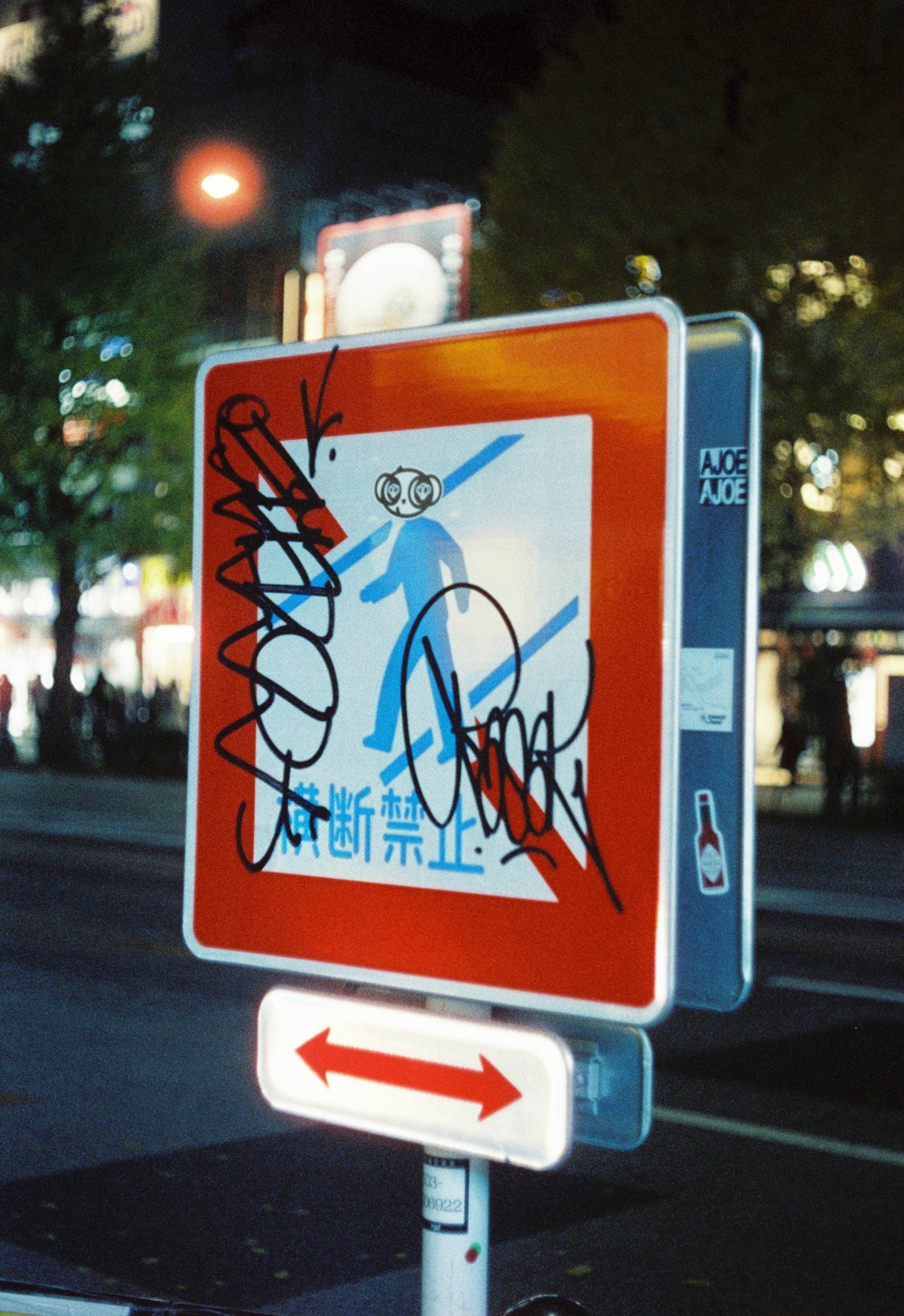
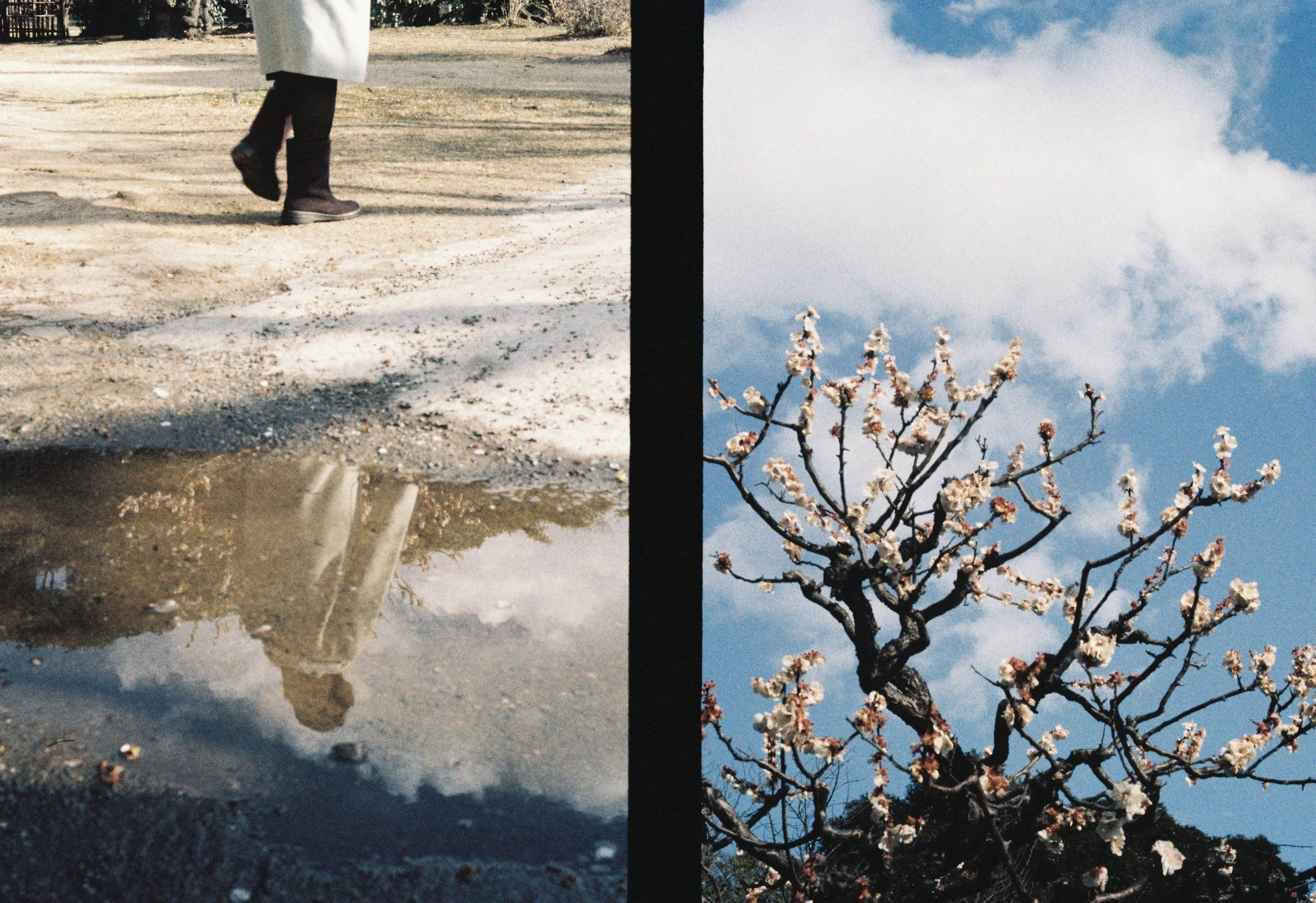
After receiving and shelving a broken Yashica Electro 35, I ended up with the Olympus Pen F. (It was also broken but was easily fixed :D) Knowing half frame wouldn’t be a limit limit, I was content to have my Pen F be the first camera I’d start my film photography “journey” with.
(The issue with my copy in particular was that someone had knocked the internal mirror out of place and… taped it back in… )
Now that it’s fastened properly with adhesive, the camera has worked as expected. I don’t expect this to be a common issue that other people will see and I did not see other reports of this online. But these cameras are old so it is possible that adhesives or other internals could use some attention. This is par for the course with old camera gear.
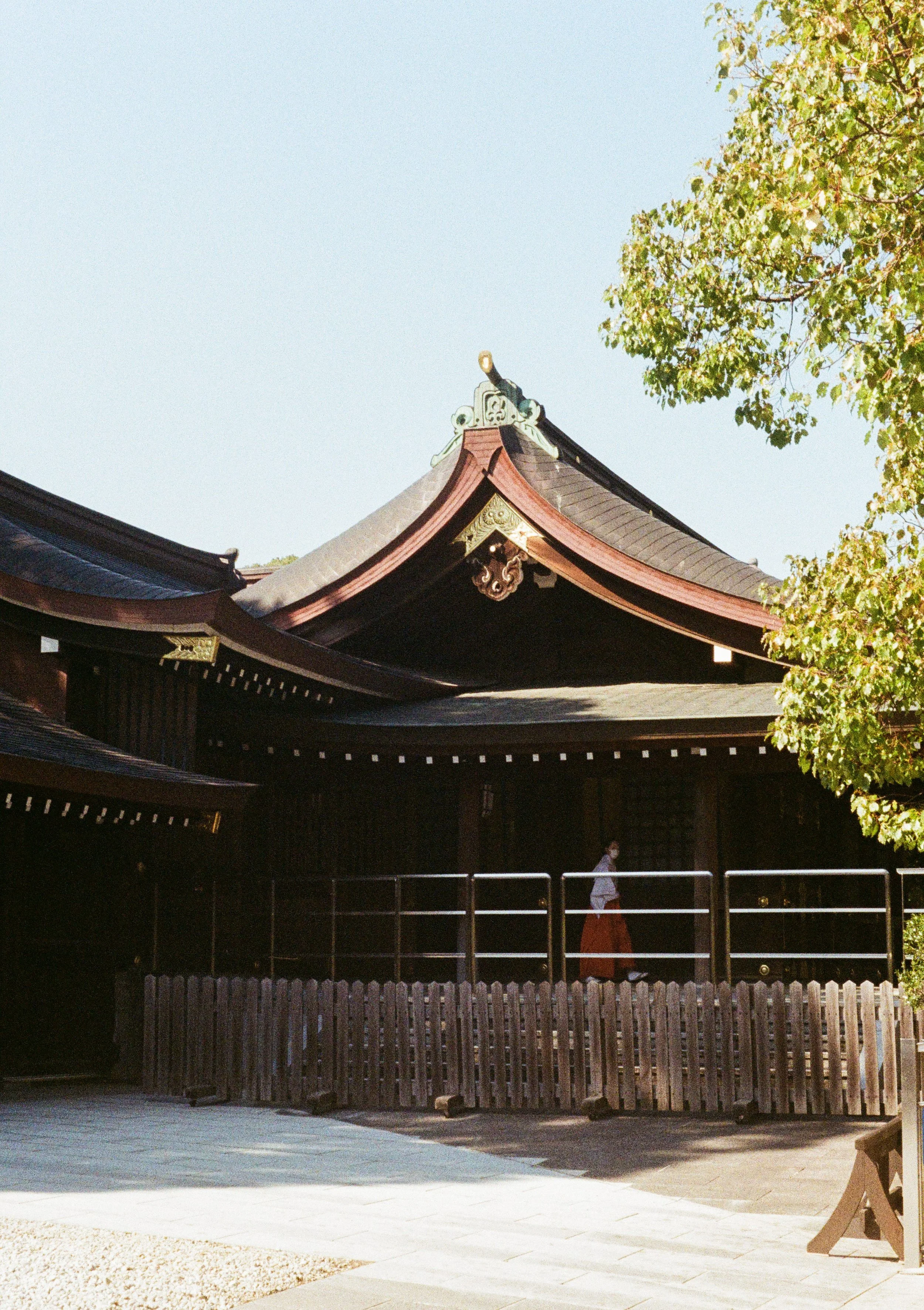
Olympus Pen F, Takumar 55mm f1.8, Kodak Pro Image 100, Brooktree Film Lab
Another issue that had come up is the PC Sync Port for flashes wasn’t working. I was told it’s simple to repair and 15 minutes in the repair shop later, it was working again! The issue was that something needed to be re-soldered. :) Luckily it was an easy fix for the technician.

Olympus Pen F Super Takumar 55mm f1.8, Wolfen NC400, Knoxville Film Lab | The greatest gift of all, a working film camera
The Experience
When handling the Olympus Pen F the first thing you’ll notice is that the camera is small, especially compared to other cameras with interchangeable lenses. This and the economic half-frame format were the driving forces that drove me to pick up the Pen F.
Despite its lightweight, the camera feels and definitely looks premium. The top and front covers are constructed from magnesium, while the bottom cover and machined dials are made of aluminum and it shows. My copy, naturally, was used and had some scuffs. But for a camera that is 60 years old, it looks incredible.
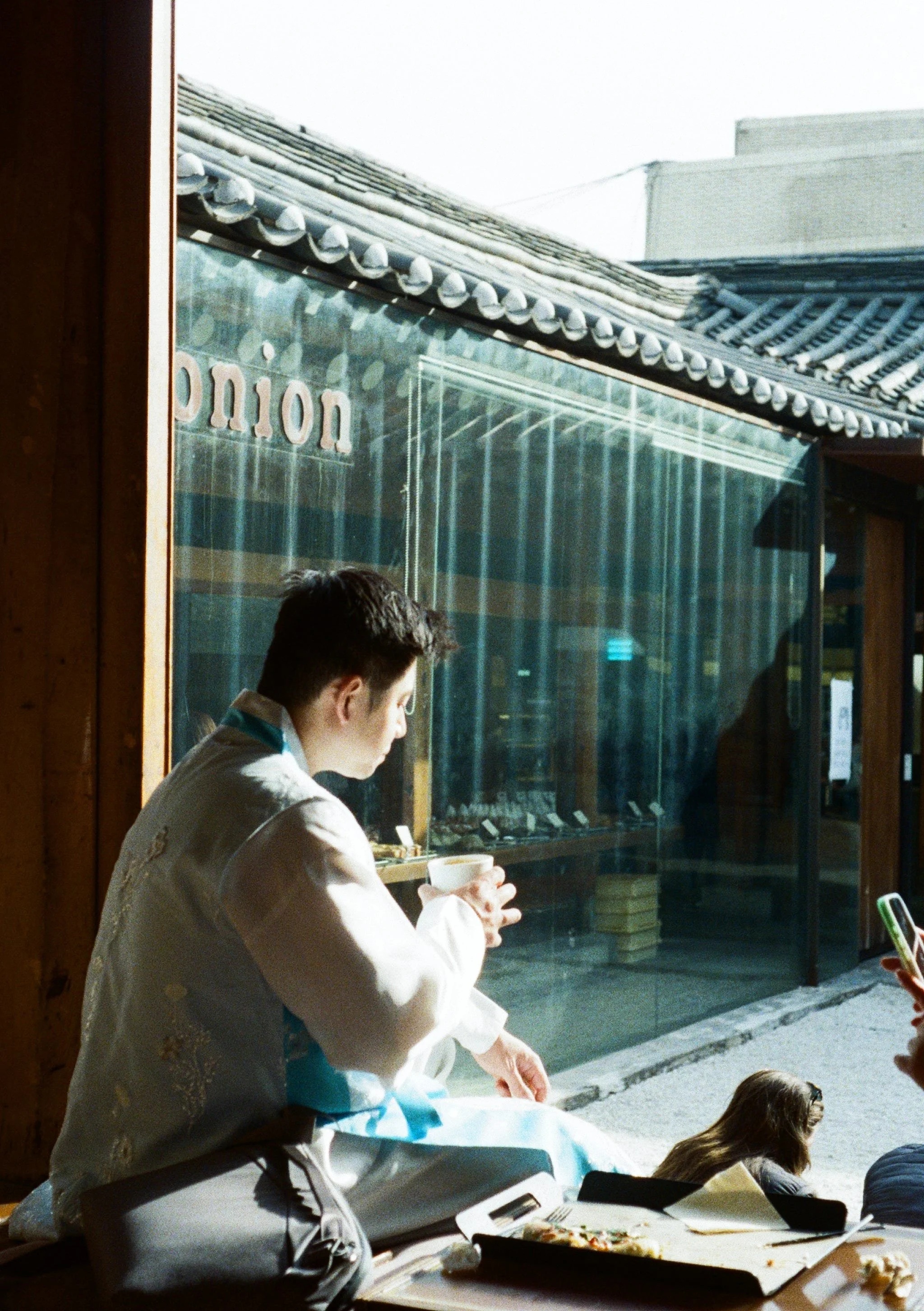
Olympus Pen F, 38mm f1.8, Fuji Color 400, filmLog lab Seoul
Throw on a wrist strap and the camera fits perfectly in the hand. With the Zuiko 38mm f1.8, the balance of the camera is superb. I never felt fatigued even after walking around with the camera all day or walking around with the camera as a secondary device.
Pairing the little Pen F with either the Fujifilm X100VI, Sony A7IV, or another film camera that I’d be testing never left me feeling as if I wished I had left the Pen F behind. It doesn’t make its weight or presence felt in your bag, in your hand or around your neck unless you’re working with it. As an advocate for small and light equipment you actually want to bring around with you and use, this is the highest praise I can give the Pen F.
Something to note is that with this camera, pictures will be taken in a vertical half frame format resulting in receiving double the number of exposures per roll of film.
This is ideal for modern day content consumption as it’s mainly done on vertical devices via social media. With vertical being king, the Pen F is highly suitable for new photographers looking to have a film camera that will give great pictures for Instagram, TikTok, etc.
I found that per 36 exposure roll I have often been getting more than 72 exposures, sometimes up to 78. This makes the Pen F highly economic and continues to lend itself well to being a content creator’s film camera.
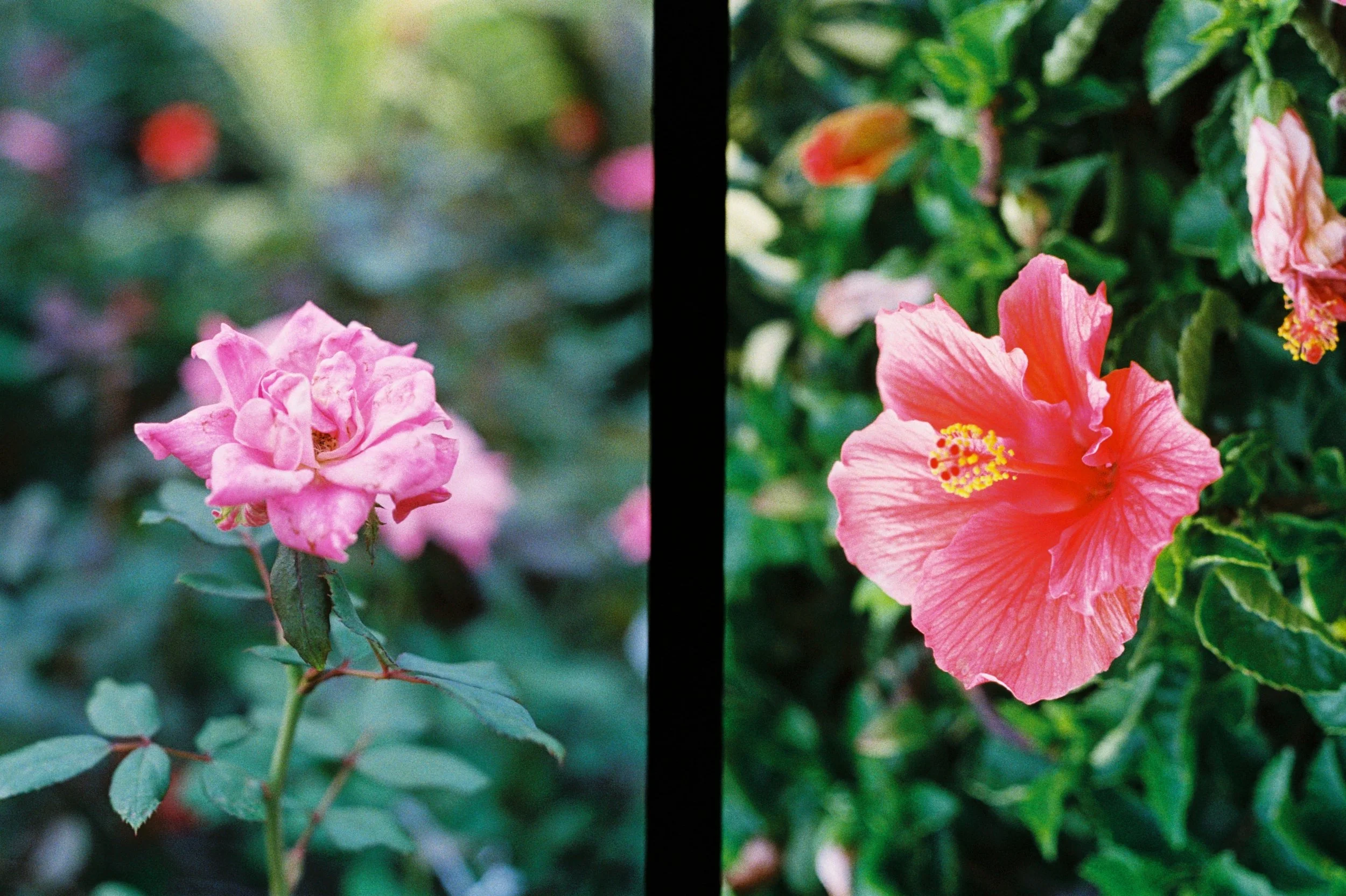
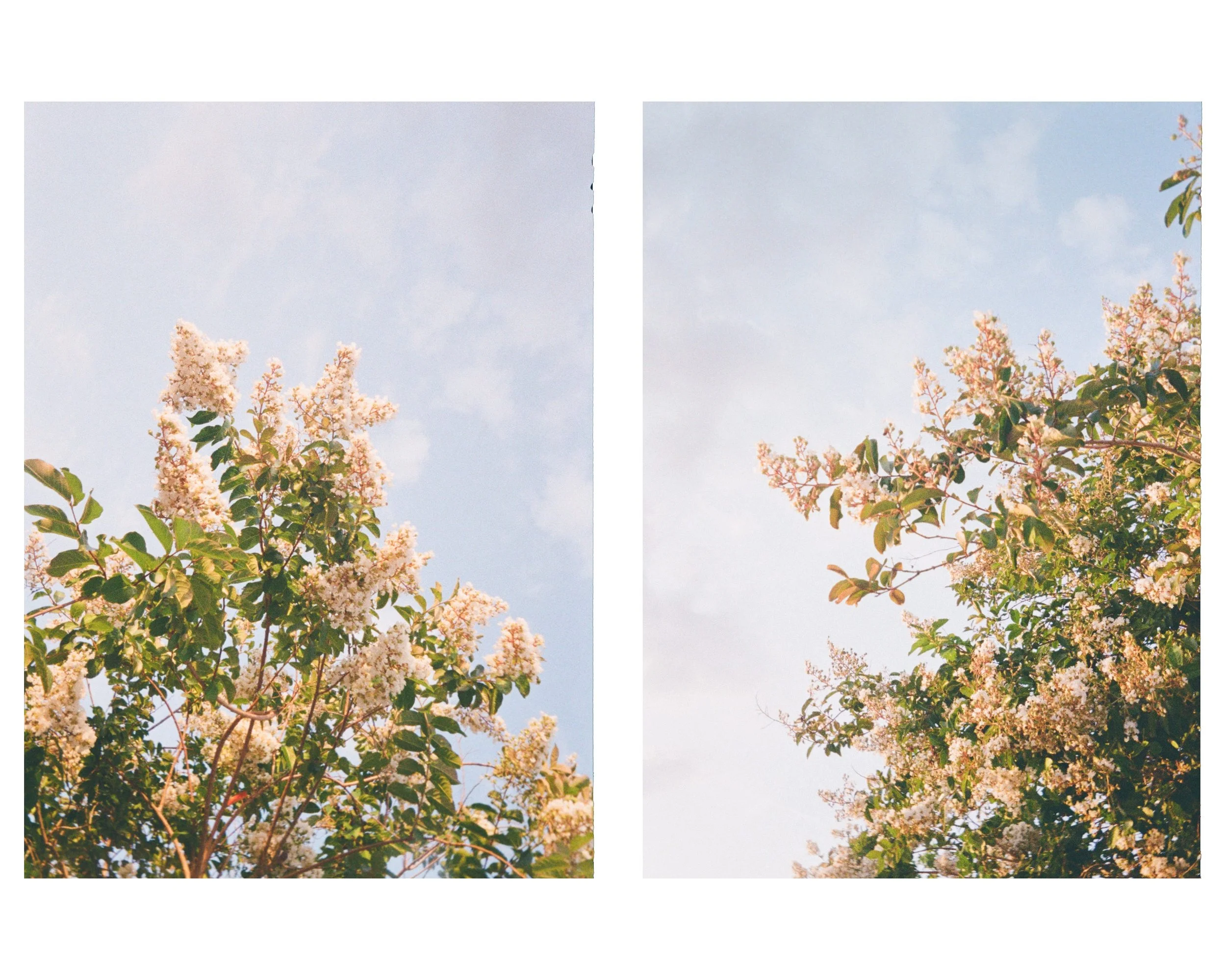
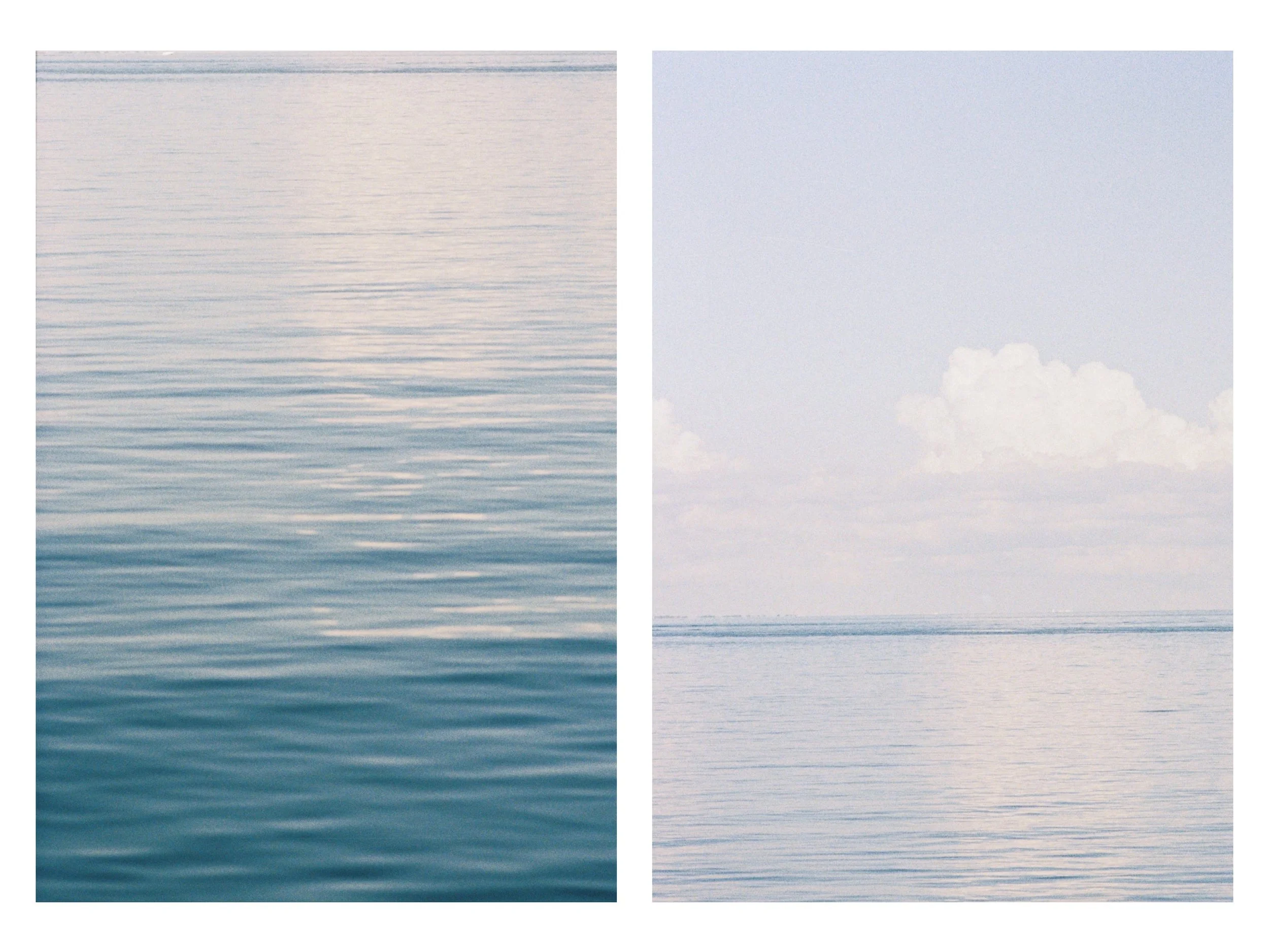
Example of two halves coming together to make “one exposure.” You can use the half-frame format to do dyptics! Takumar 55mm f1.8 Fujifilm 200, Coastal Film Lab
However, if I could issue complaints against the Pen F it would be two things in particular:
One: one-handed operation is a pain. This isn’t really the camera’s fault. Before auto-exposure was a thing, most cameras were more hands on to operate. But having gotten used to more modern cameras, the friction of needing two hands really stands out when it’s a rainy or snowy day and I have an umbrella in one hand while I’m trying to operate the Pen F + a light meter with just the other.
I’ve missed more shots than I like in these moments. The fact that the operation dials are on the front of the camera just makes it really difficult to operate the camera without both hands in a street photography-type setting. Honestly, it’s noticeable even on regular days if I’d have a drink in one hand and my camera in the other. This camera really needs you to have both hands free to use it.
The successor, the Olympus Pen FT, actually solves this exact problem with a built-in light meter, one less thing to juggle with cold or full hands. I put it through its paces here: Olympus Pen FT First Impressions.
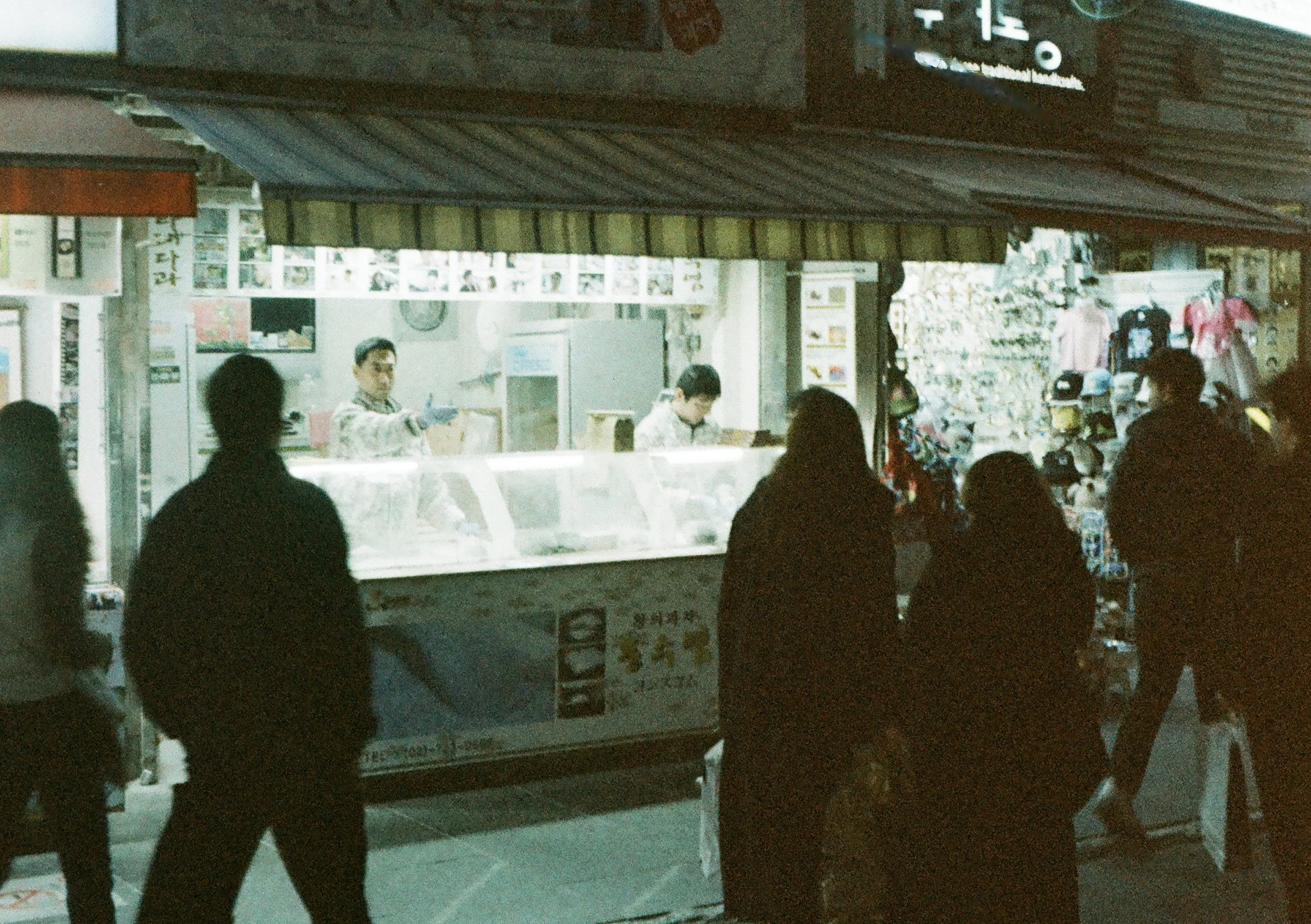
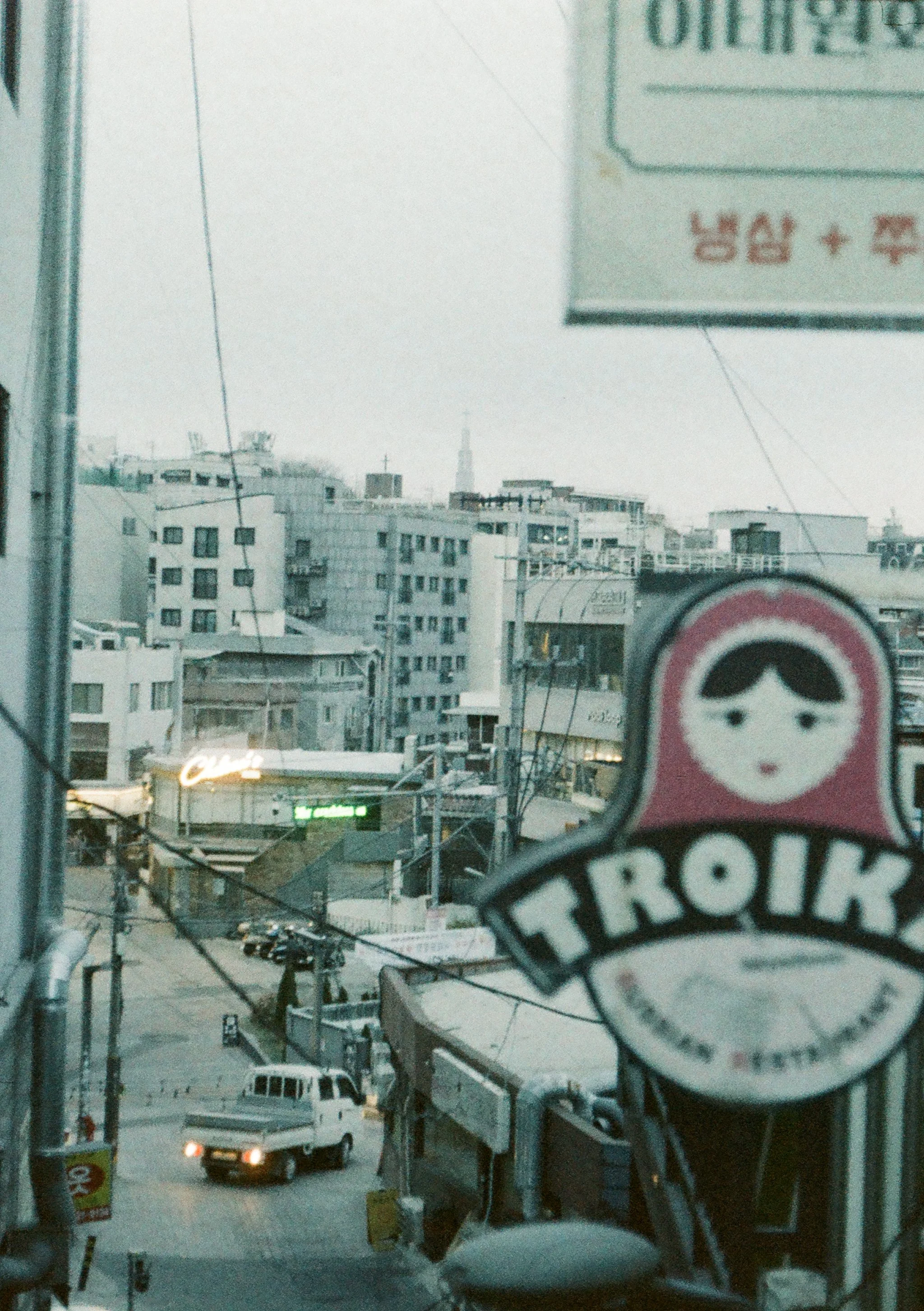
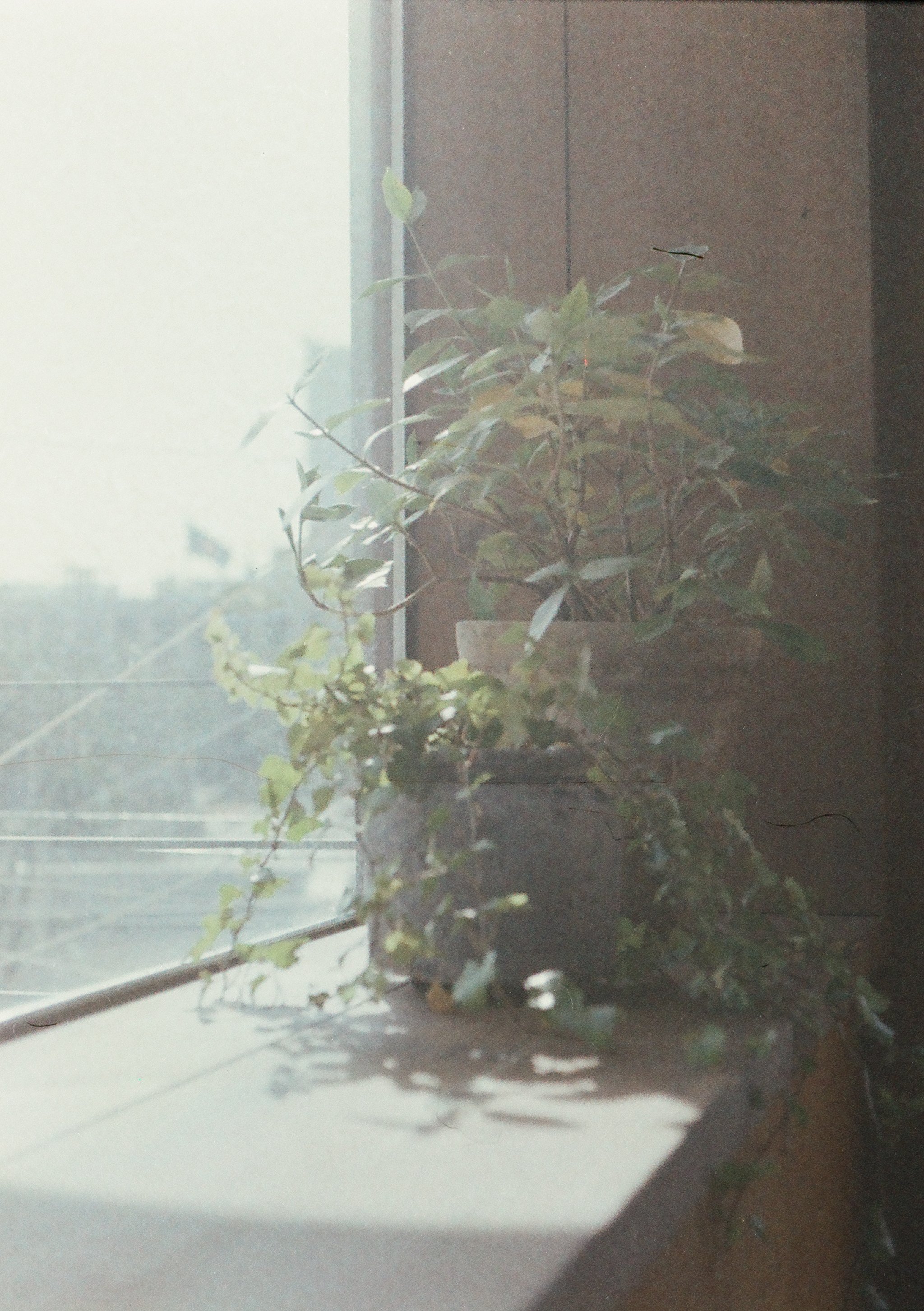
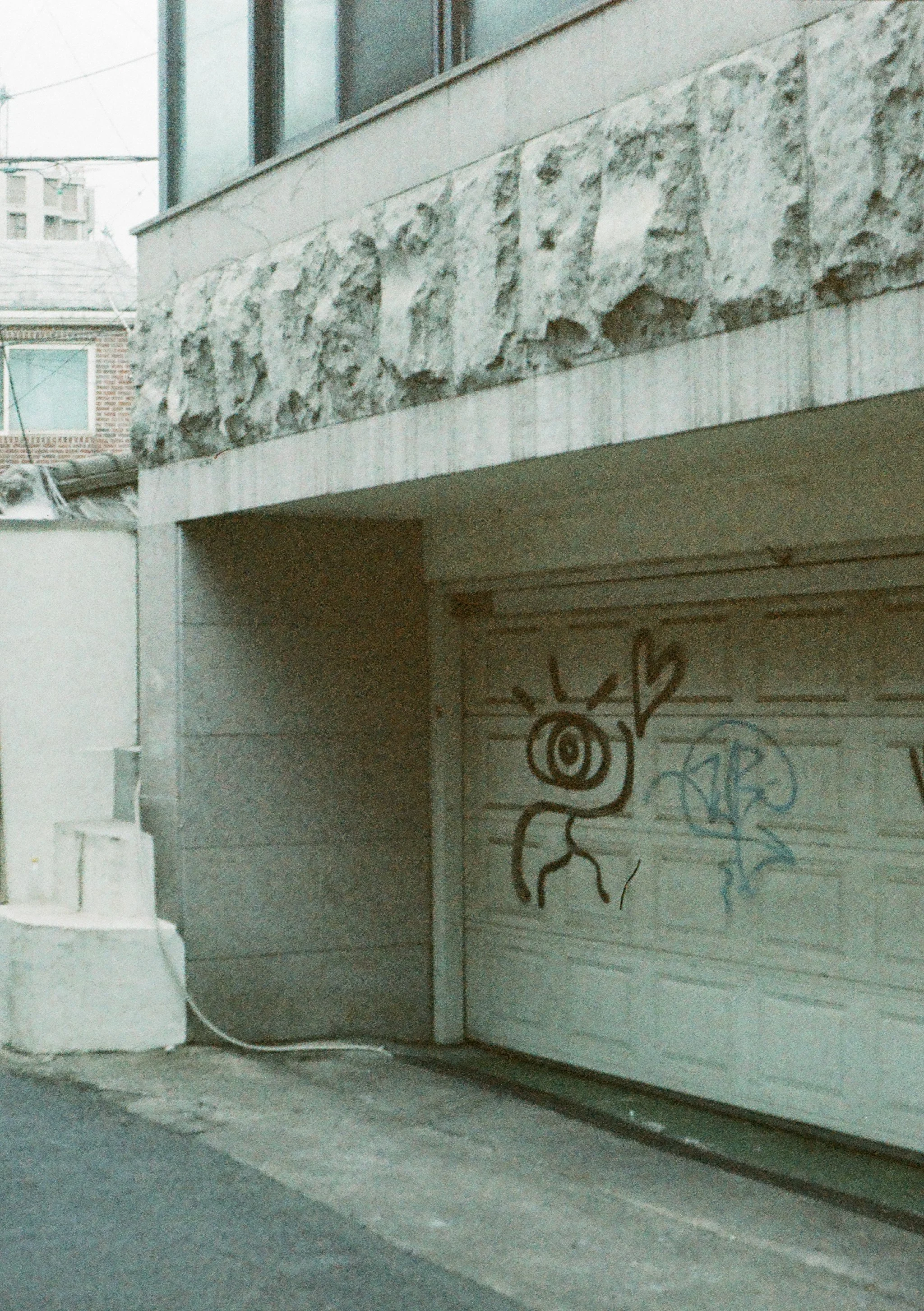


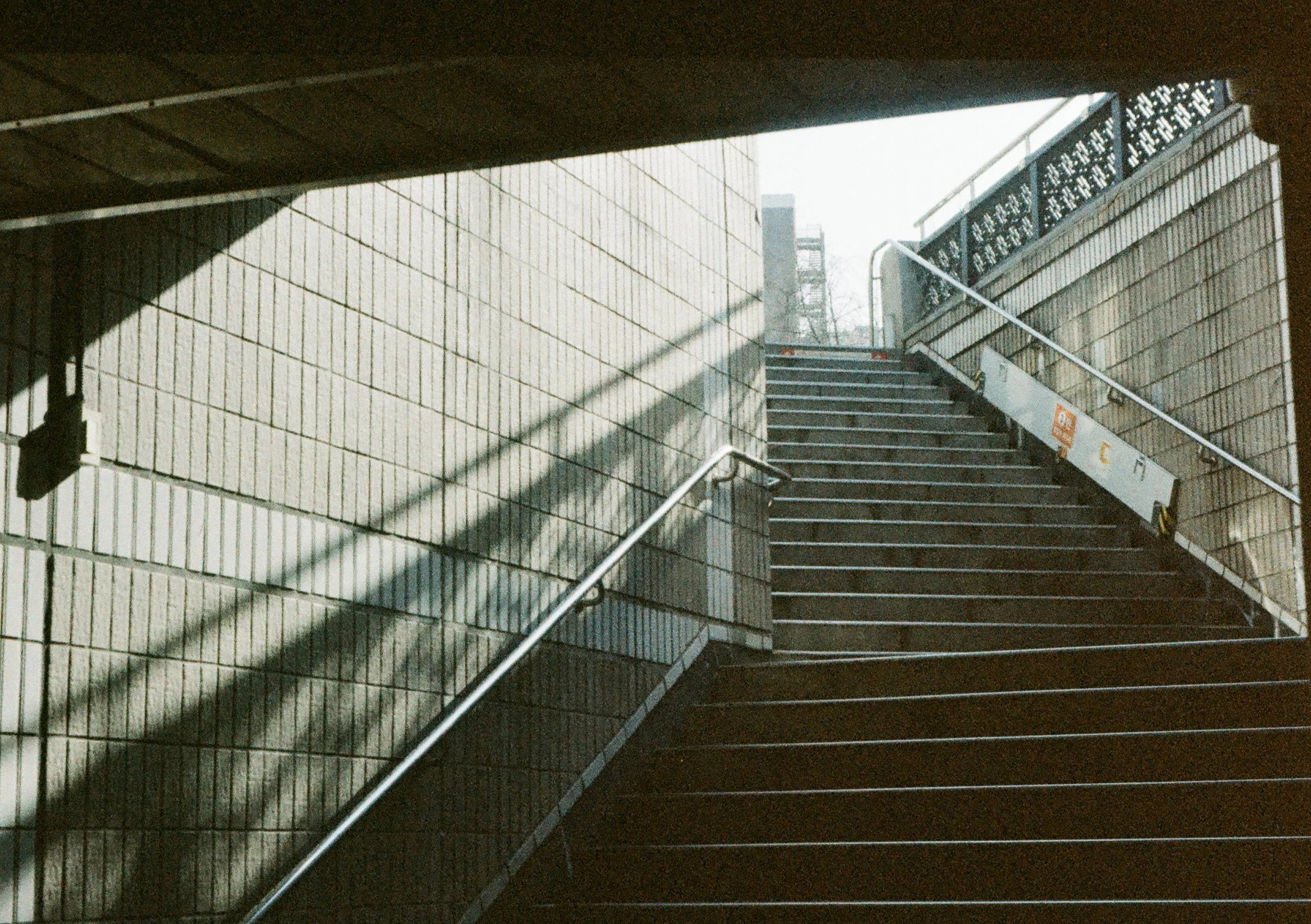

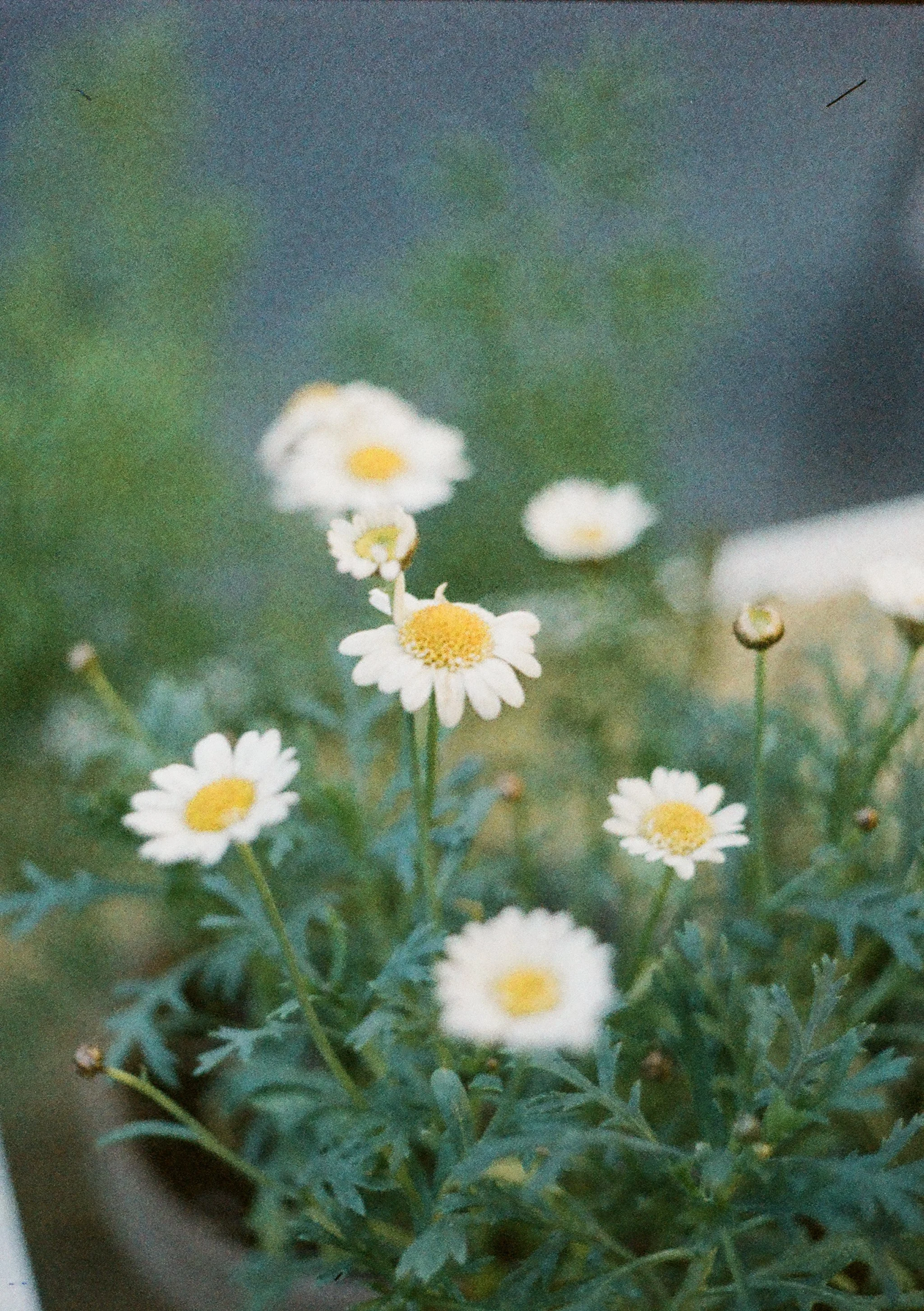
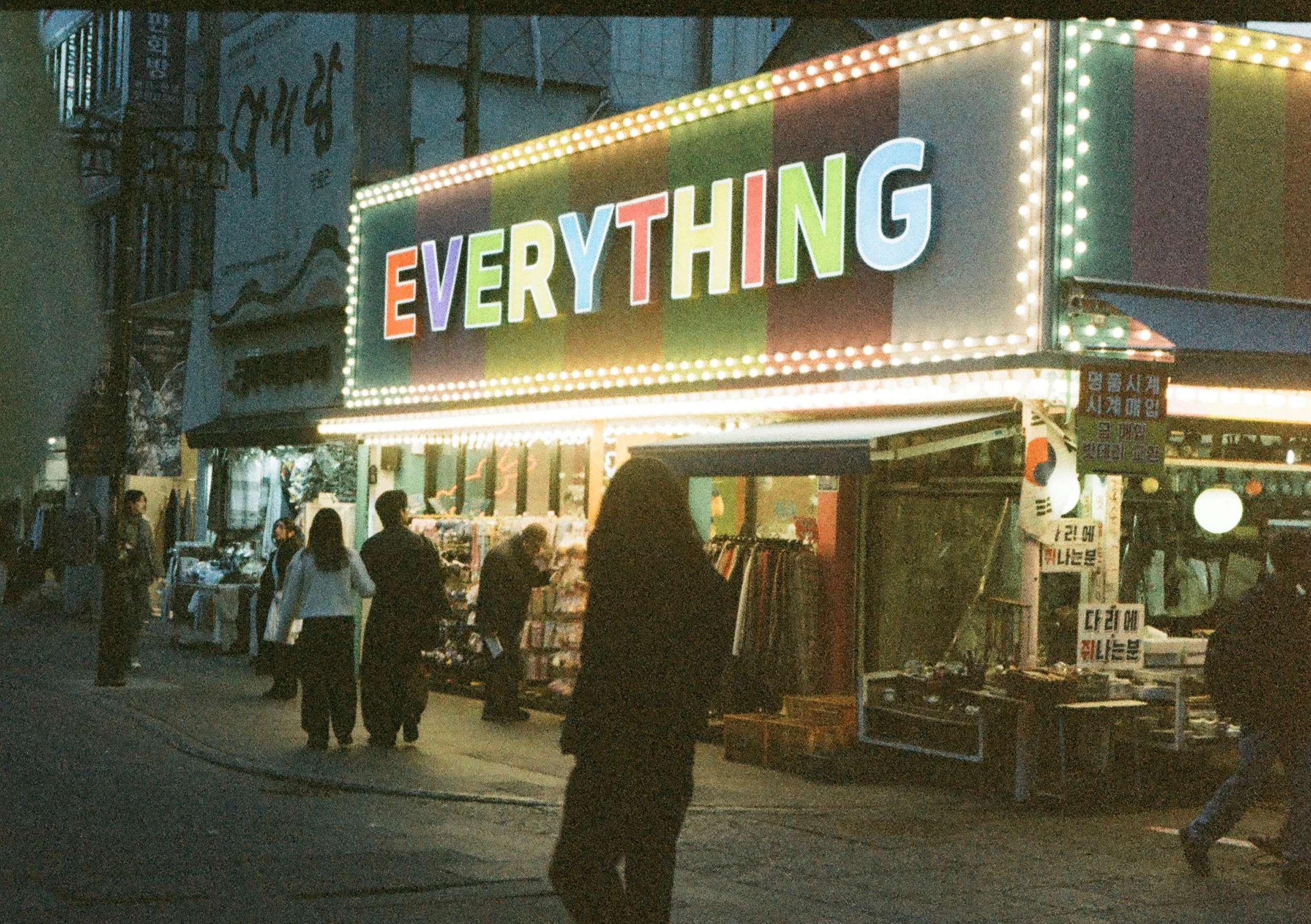
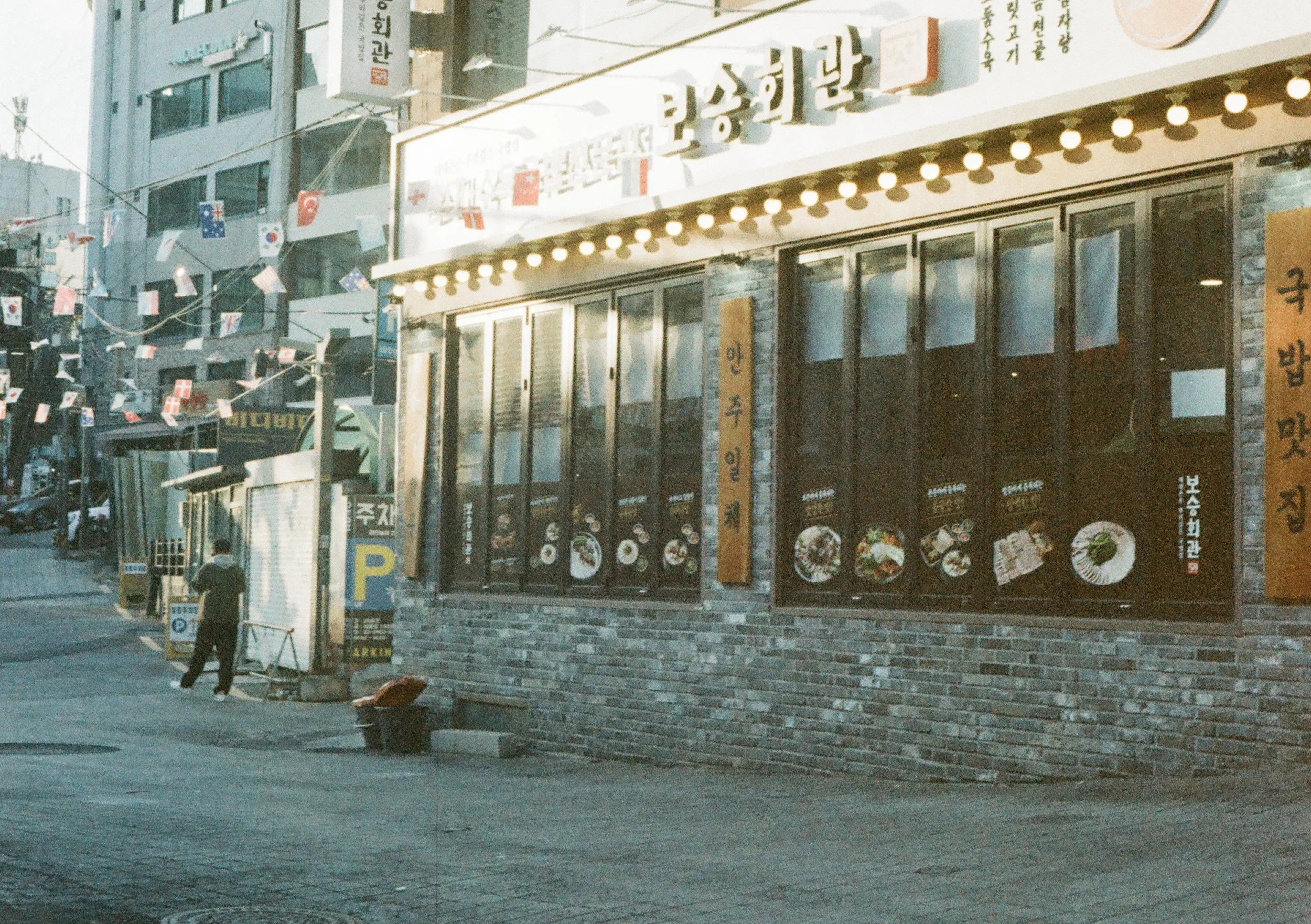
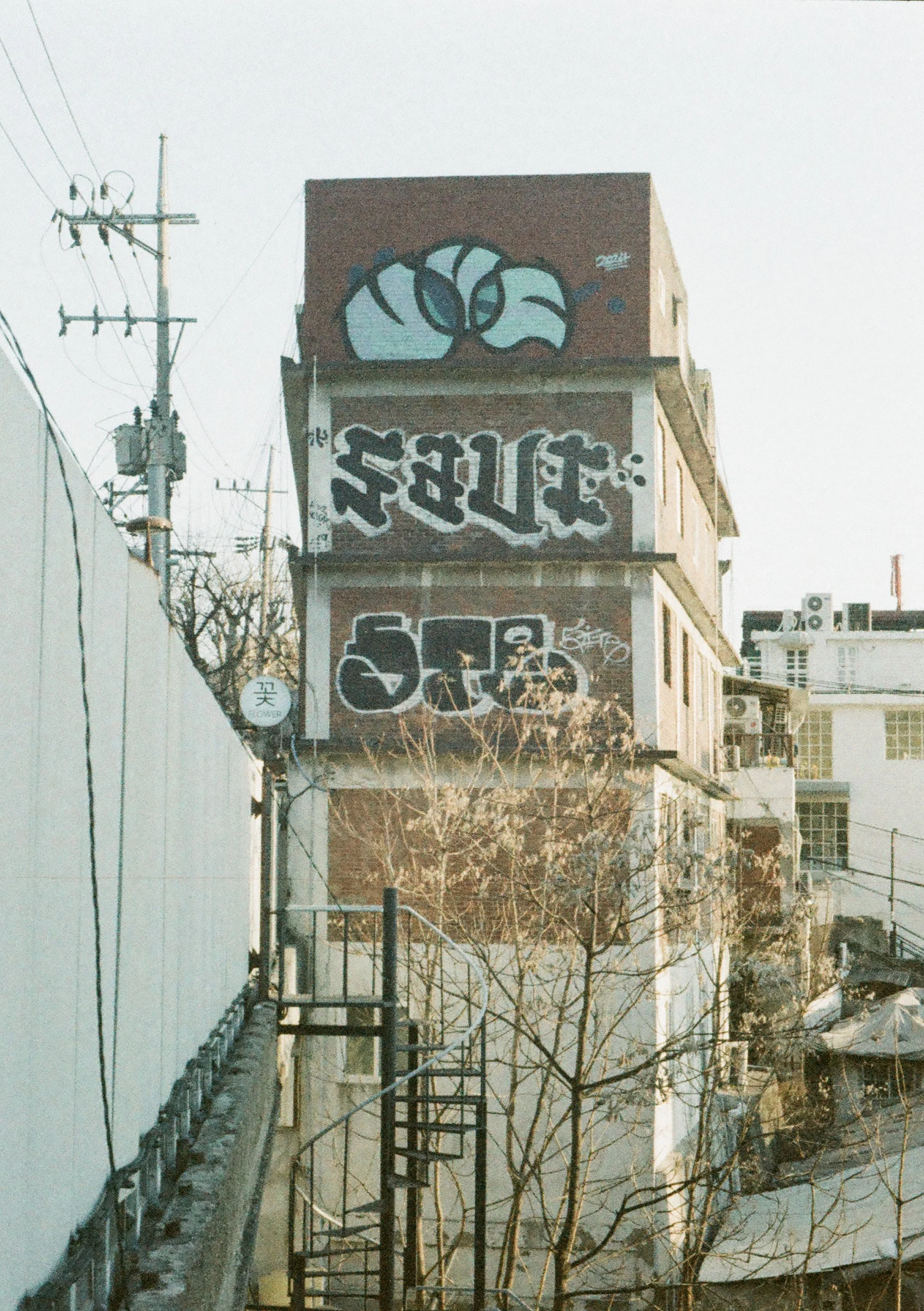
Two, it feels as if with this camera, your margin for error is less than that with larger format cameras. With the grain being exaggerated in the half frame format when you miss a shot’s exposure (particularly underexposing) it really stands out with how the grain gets.
And when using films that were of lower quality, it feels as if the low quality aspects of the film get exaggerated. In the above examples I was shooting Shanghai 400 (which I suspect is a low quality or expired Orwo emulsion based on quick research) and it’s really apparent how this camera shines when using better films with nicer grain and sharpness. Basically, the Pen F makes a film’s qualities really noticeable. Good films look shockingly great and lesser films truly show that they’re low tier.
Honestly though, as long as you stick to your Kodak’s, Fujifilm’s and Ilford’s you’ll be having a good time.

Olympus Pen F, 38mm f1.8, Fujifilm Acros 100 (Expired), Unknown Kyoto Lab :(
I feel like I would be doing a disservice by not mentioning my personal biggest Achilles heel when using this camera: It can be hard to nail focus. I can work around the film emulsion issue by using good film and I can be more intentional and aware of when the camera is best suited to be my tool for the day but I can’t just simply be better at seeing, lol.
The Pen F does not have any focusing aid features in the viewfinder to help achieve critical focus. Other cameras such as my Nikon F3 can have a split prism or other types of focusing aids to help determine if your focus is accurate but to my knowledge, this is not an option or feature of the Pen F.
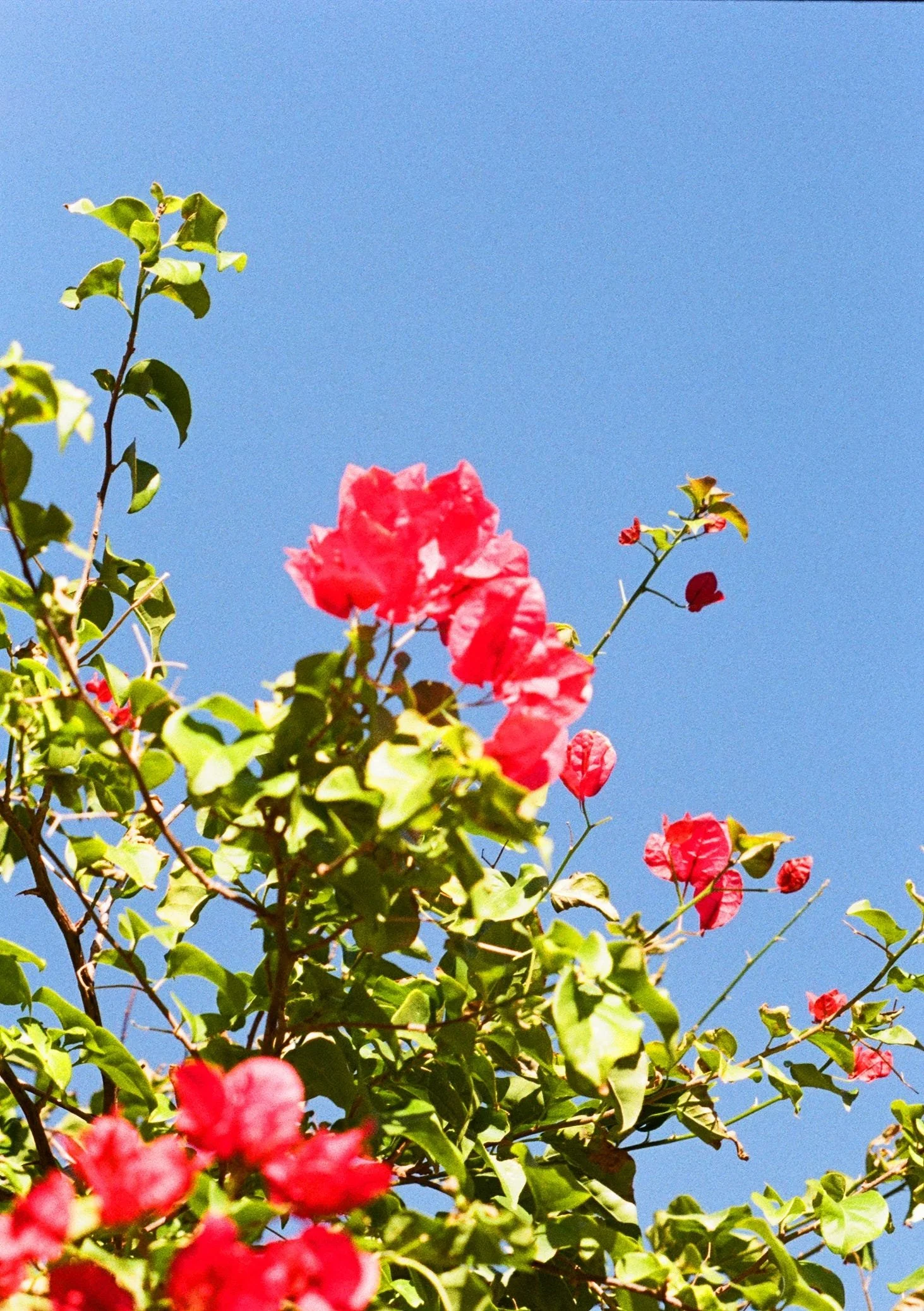
Just barely missed focus
What this means is you will need to have pretty sharp eye sight if you want to perfectly focus every time. Especially since, relative to other cameras, the Olympus Pen F’s viewfinder is a bit dim and small. It’s not unusable and it’s not necessarily that small but when you’re trying to focus wide open it’s going to make things less than ideal.
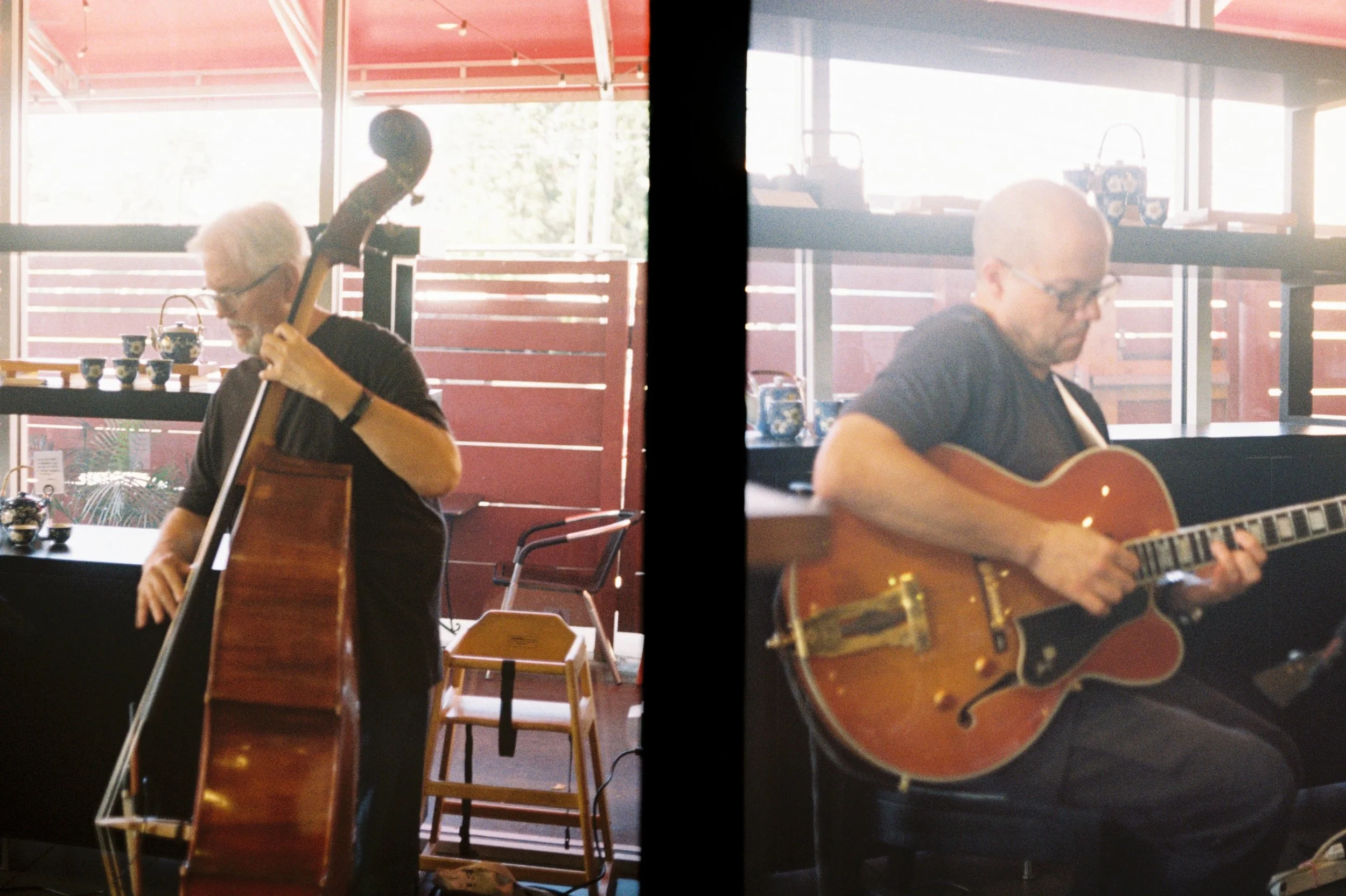
Backlighting in a relatively dim cafe resulted in missed focus on both musicians
The Pen F has the ability to preview depth of field with a button on the barrel. So when you are shooting apertures other the brightest aperture, you can check if what’s in focus is what you want and then can open it back up to focus with the viewfinder being as bright as possible.
On this note, it’s a good time to mention the max shutter speed capping out at 1/500. When shooting outdoors it means that you will have times where you will need to stop down the lens even if you don’t want to due to not reaching speeds such as 1/2000 or 1/1000. This is technically a con but considering the focusing difficulty mentioned above, it does make it a little easier to hit focus in those scenarios. However, if you plan to shoot Portra 400 or Portra 800, you won’t be shooting wide open as often for creamy soft portraits.
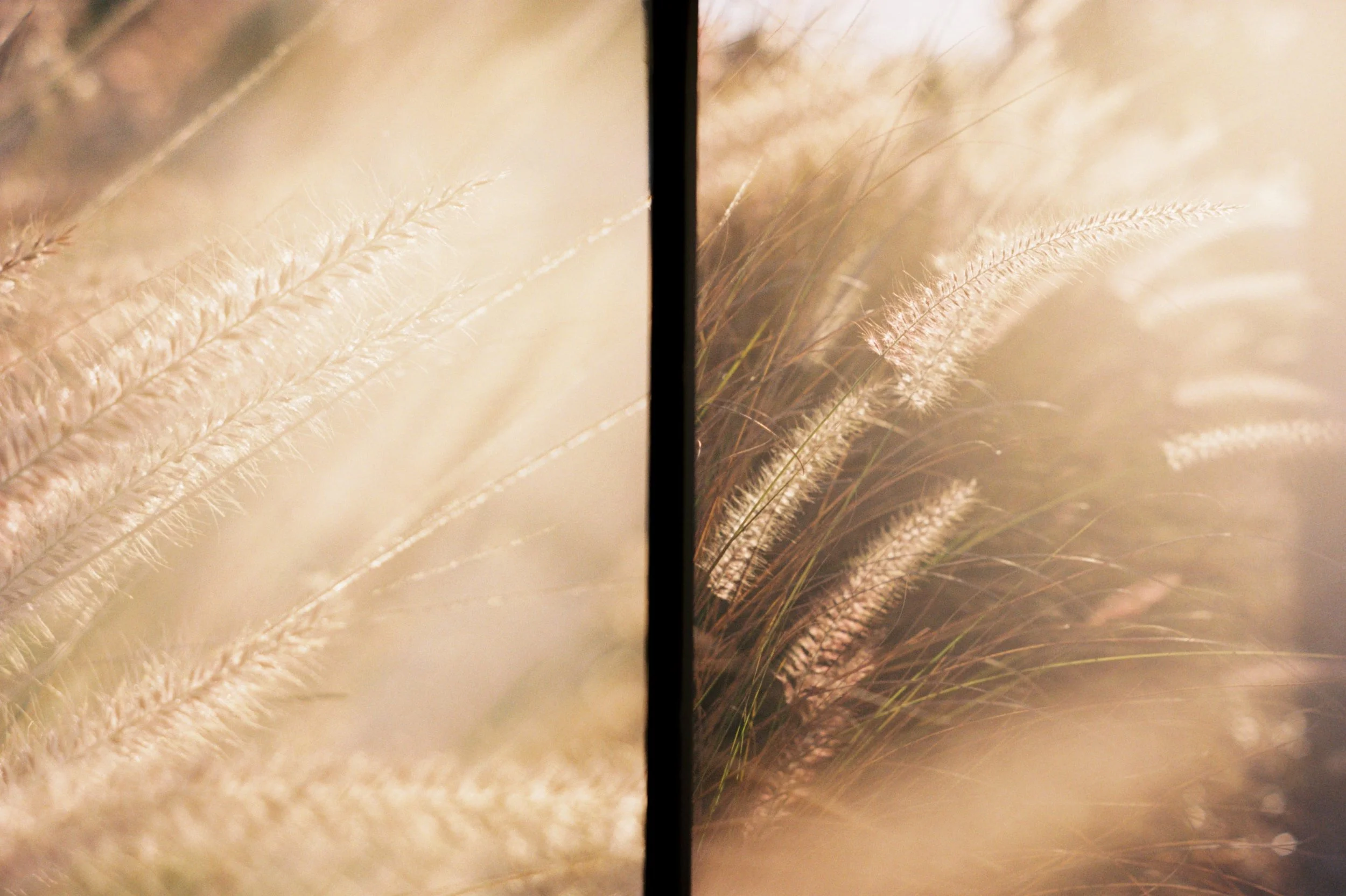
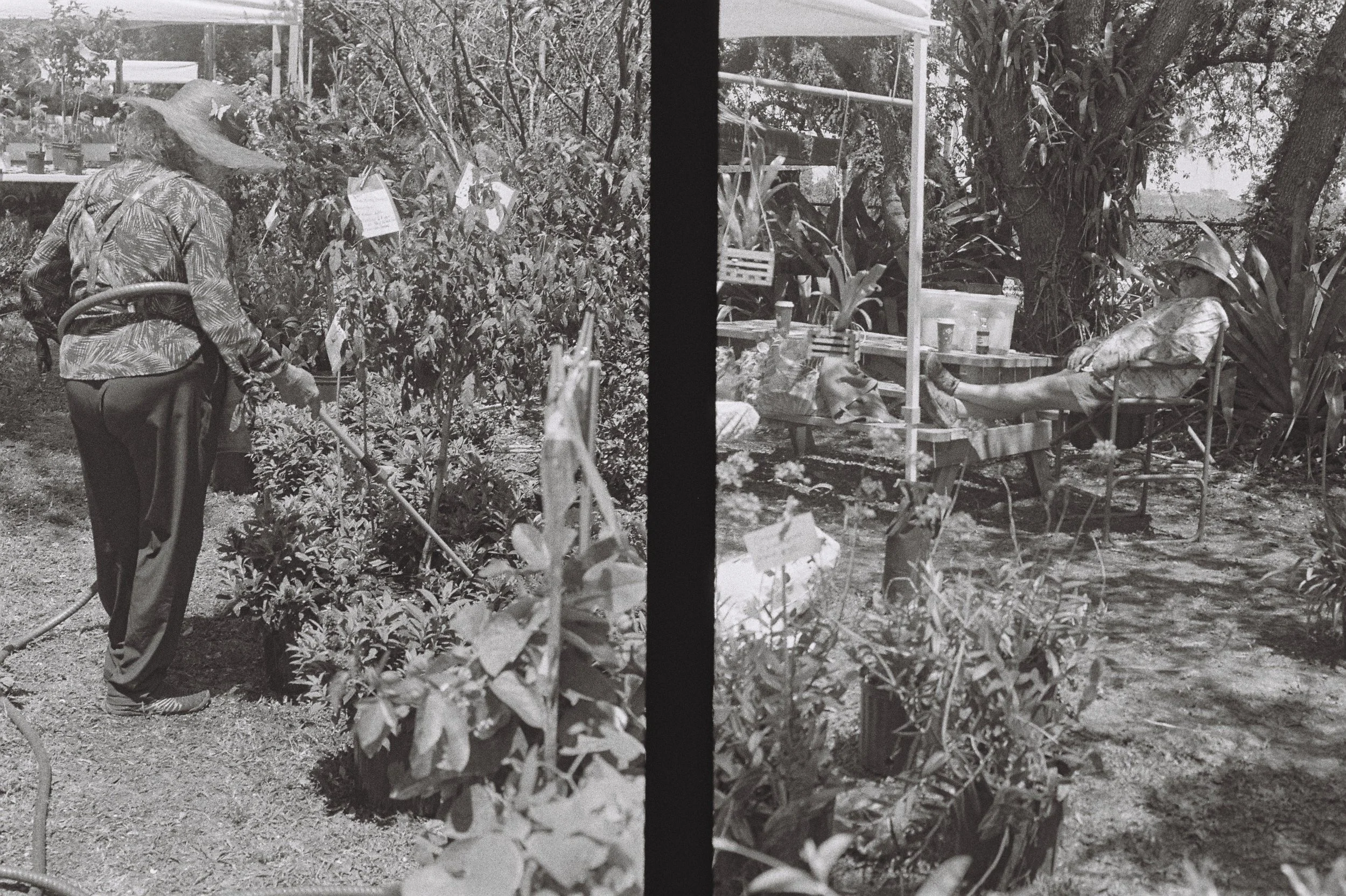
Camera Specifics
I am not a spec nerd so I will just give basic information and some anecdotes. Make of these what you will.
Age: Production of the Pen F began in 1963. At the time of writing, this makes the original Pen F line of cameras over 60 years old.
Footprint: At 130 x 70 x 37 mm and weighing in at 437g the camera is small and portable with great ergonomics.
Image Format: Pictures are taken in a vertical format utilizing half of each 35mm exposure resulting in receiving double the number of shots per roll of film. With a 36 exposure roll, you’ll likely get more than 72 exposures, sometimes up to 78.
Mount+Adapters: The Olympus Pen F can take lenses with the Pen F mount. The 38mm f1.8 is probably the most common lens you’ll see and offers the best value being one of the sharper lenses with decent low light performance. The only “issue” is that it flares easily. See examples in the next sample set.
With proper adapters or adapter stacking, the camera can take Canon EF, Nikon F, M42 and Leica Rangefinder lenses. Leica lenses will not focus to infinity and instead act like Macro lenses.
Additionally, Pen F lenses can easily be adapted to digital bodies and will be a perfect fit for cameras with focus peaking. I didn’t see vignetting on APS-C and there is vignetting on Full Frame that can usually be corrected in post or with a ~10% crop.
Flash: You have flash sync speeds up to 1/500th of a second due to how the leaf shutter works. I don’t understand the physics of it but if you use the flash sync port, you can use flash across all shutter speeds.
Accessories + Light Meter: There is an assortment of accessories for the Pen F, including a light meter that you can attach to the shutter speed dial. I’ve not used any other than a third party cold shoe adapter. The Pen F does NOT have a hot shoe or cold shoe and relies on an external adapter for this. An official cold shoe from Olympus seems to go for around $100 USD at this point so I went for a 3D printed on and used masking tape to attach it more securely. I now use a TTArtisan Light Meter to meter my shots. Beyond this, there are eye piece accessories that can be attached through some slots on the view finder.
Olympus Pen F, 38mm f1.8, Fuji 200, Coastal Film Lab
Pros
Highly portable, lightweight and great ergonomics; a perfect travel camera or companion camera for a digital kit and is easy to use.
Incredible image quality from the 38mm f1.8 kit lens and other lenses in line up (based on image samples online)
Fully mechanical and manual. No electronics to fail or render the camera a brick.
Flash sync port exists allowing the use of flashes and the Pen F can sync flash speeds at all speeds.
Economics: You get twice as many shots per roll resulting in saving money on film.
NOTE: Some labs will charge extra to scan half frame rolls and can offset the savings. Be sure to work with a lab that can handle half frame scans.
Price of the system is beginner friendly: The Pen F + 38mm kit can be found for around $200 as of mid 2025.
With how much you can save on film, this camera will pay for itself quickly.
I have found kits under $200 tend to have fungus or other issues.
A great diversity of lenses that are native to the Pen F system ranging from wide angle to telephoto lenses. Lenses range from 20mm (28mm equiv.) to 800mm (1150mm equiv.)
Lenses can be rare depending on how specific of a lens it is… “Normal” lenses will be more readily available while things like the 800mm will appear once in a blue moon.
Lenses adapt wonderfully to this system. Due to the “crop” of half frame you will be using the center of adapted lenses which is where they tend to be sharpest.
Lenses adapted to this system will focus to infinity and have a perceived increase in minimum focus distance due to the 1.4x crop of half frame.
The cameras are built and feel very premium. While you shouldn’t abuse your cameras, this camera feels like it’s built to go out and handle being used rather than being a shelf piece.
Even without a macro lens, I’ve found this camera’s basic kit has proven to do great detail and close up shots along with great wide/open shots.
The viewfinder is vertical orientation, what you see is what you get.
Vertical images will translate perfectly to social media posts and short form content.
Cons
Focusing can be difficult. There is no split prism or any focus aids.
The viewfinder is not the brightest which can make focusing difficult.
No light meter built in.
No hot shoe or cold shoe to mount accessories or flashes.
Grain is greatly exaggerated due to the nature of half frame photography. As such, low quality and experimental films are not advisable on this camera.
There is a diversity of lenses and accessories but they are relatively rare which can inflate prices.
Finding adapters can be difficult.
Adapted lenses will be more zoomed in due to the 1.4x crop.
Max shutter speed of 1/500. This can get in the way of shooting wide open if you’re shooting outdoors.
The viewfinder is portrait orientation. Some may find this to be confusing.
One handed operation can be more difficult than it needs to be due to the placement of the shutter speed dial.
Examples
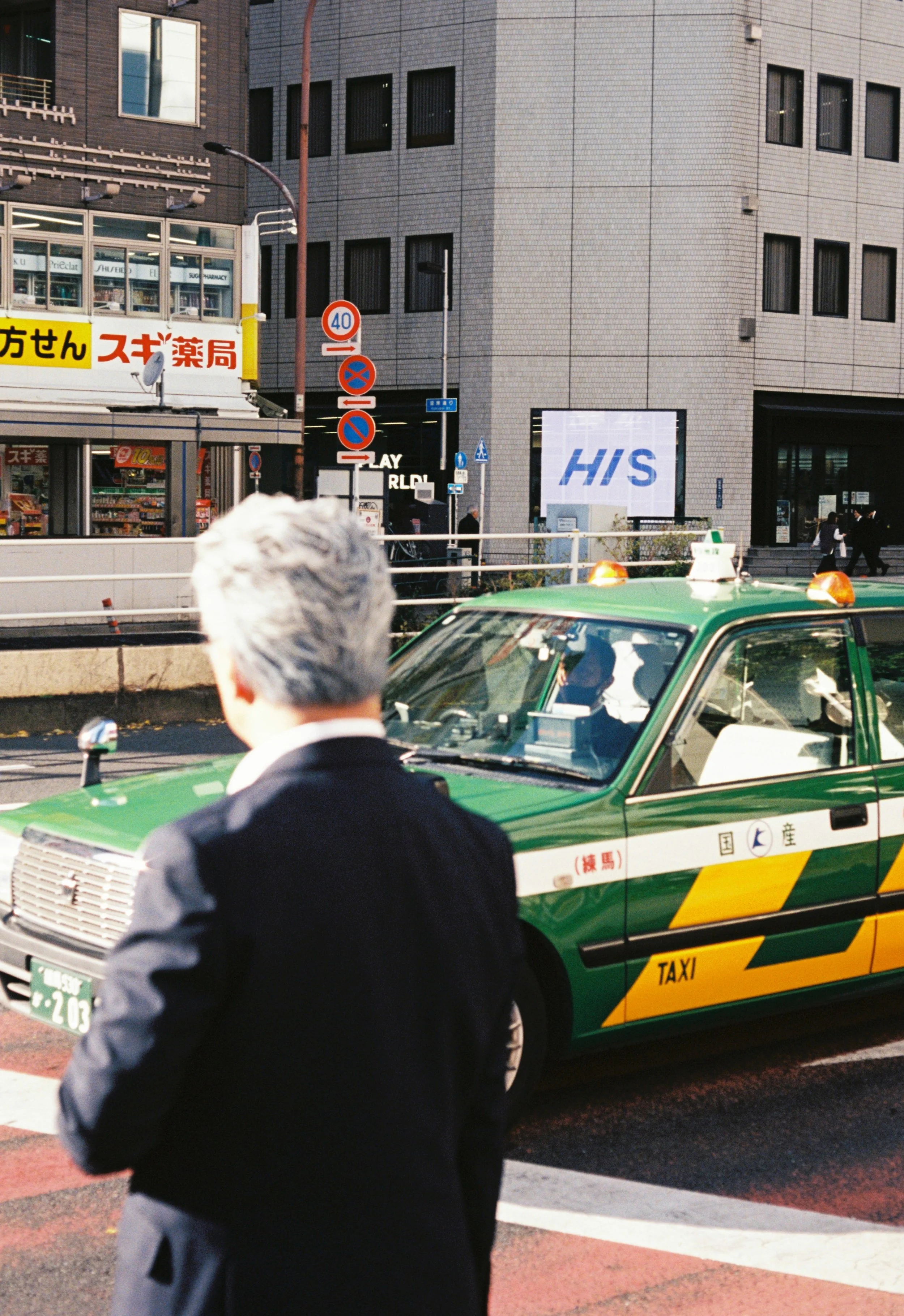
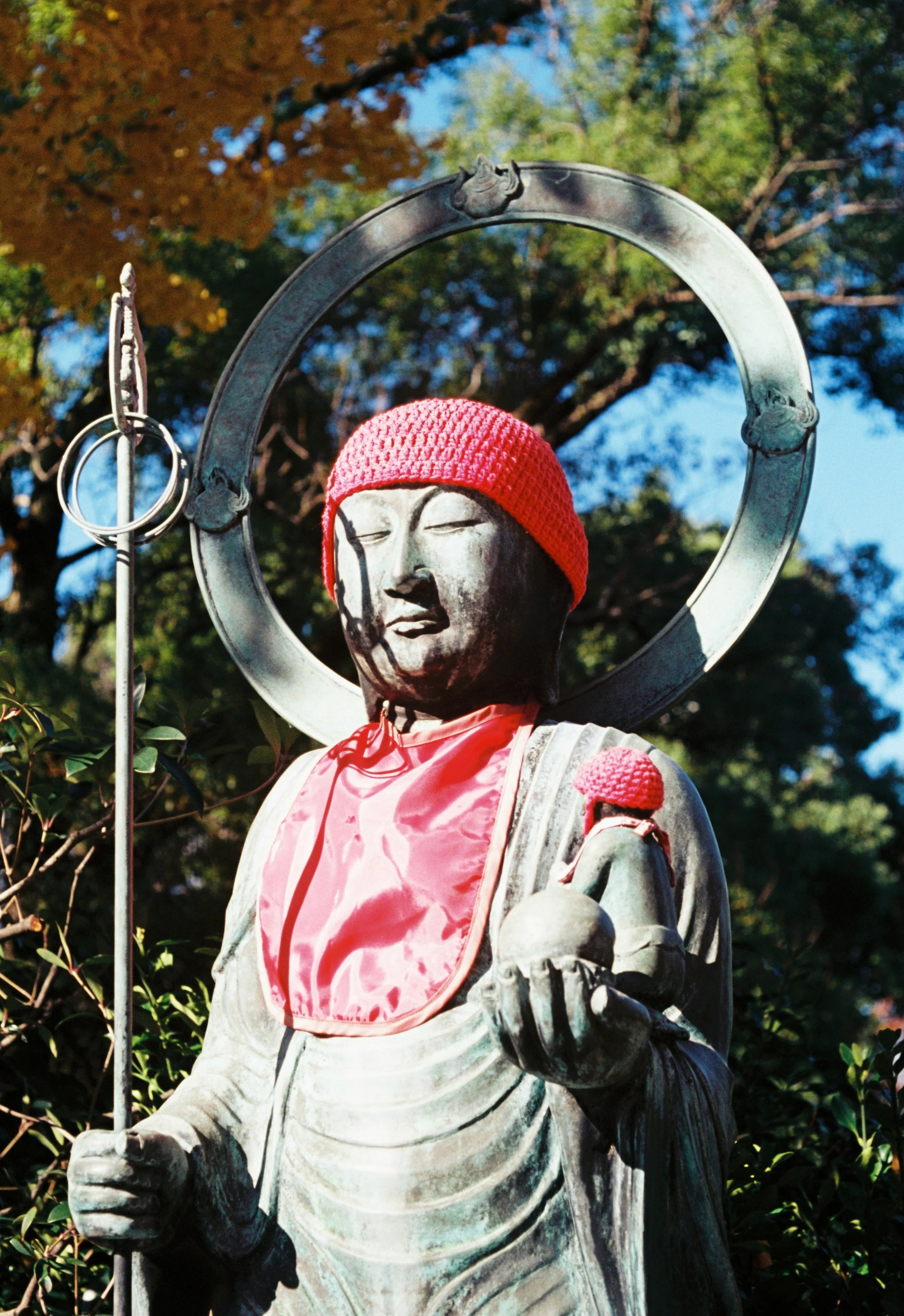
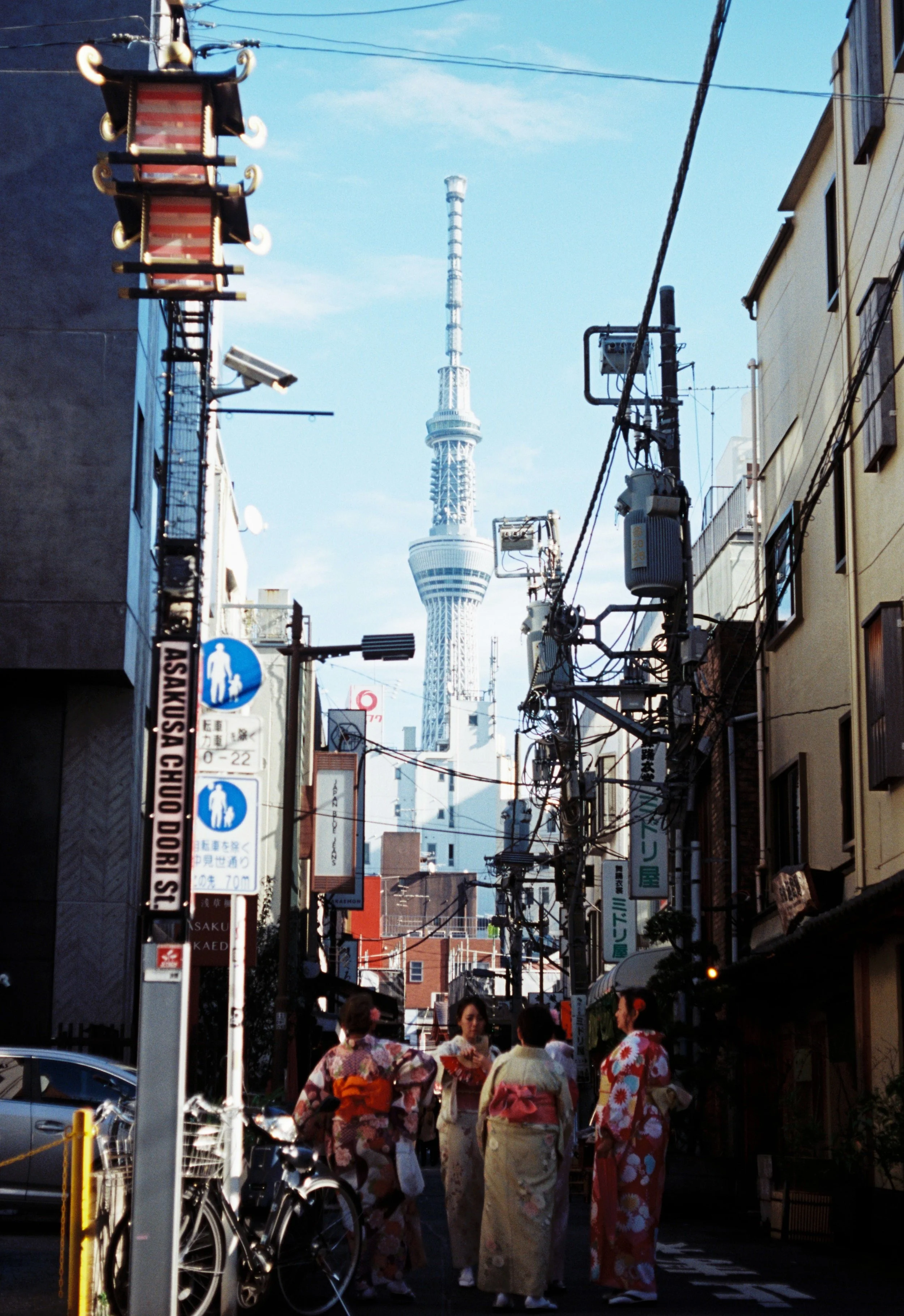
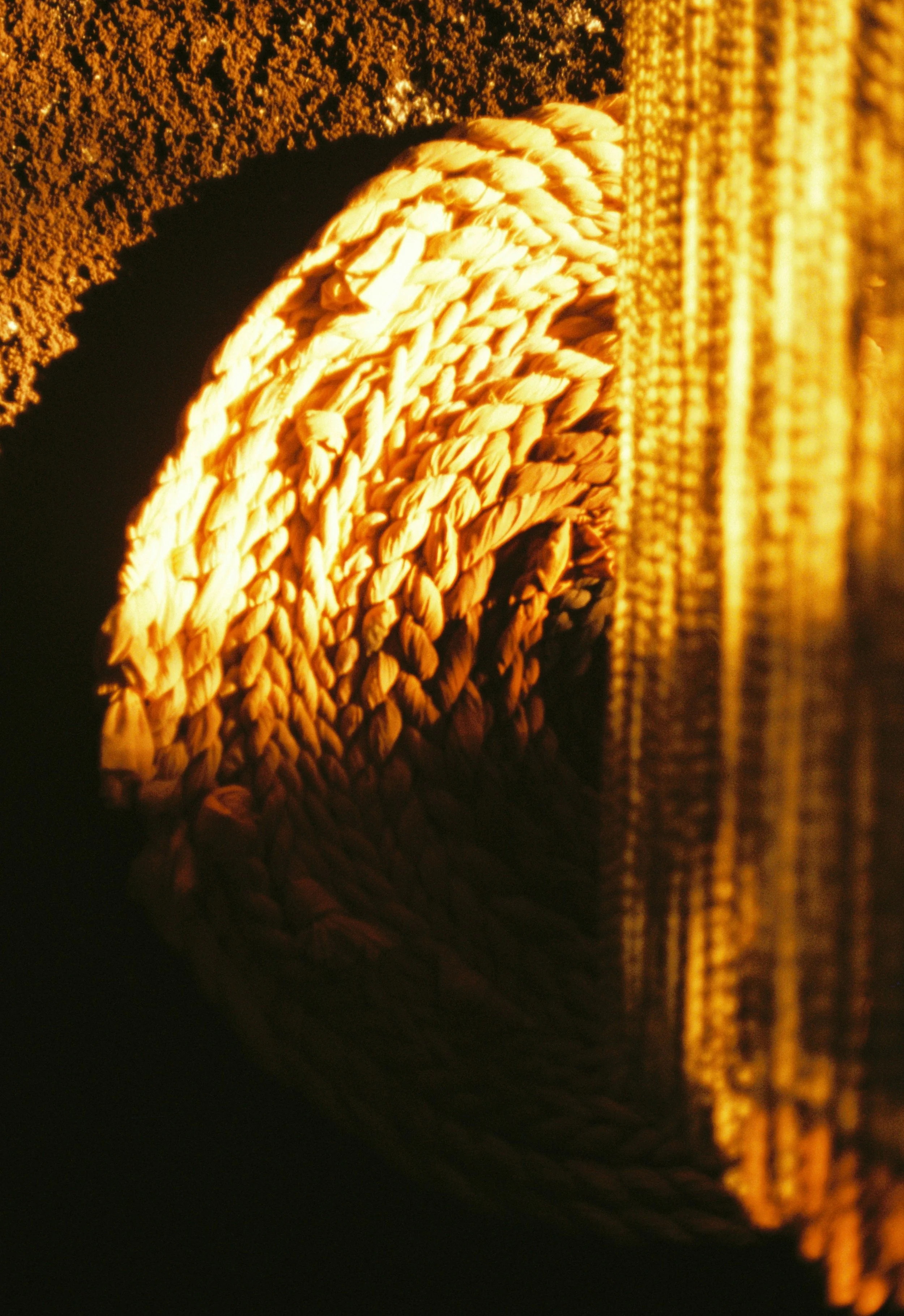
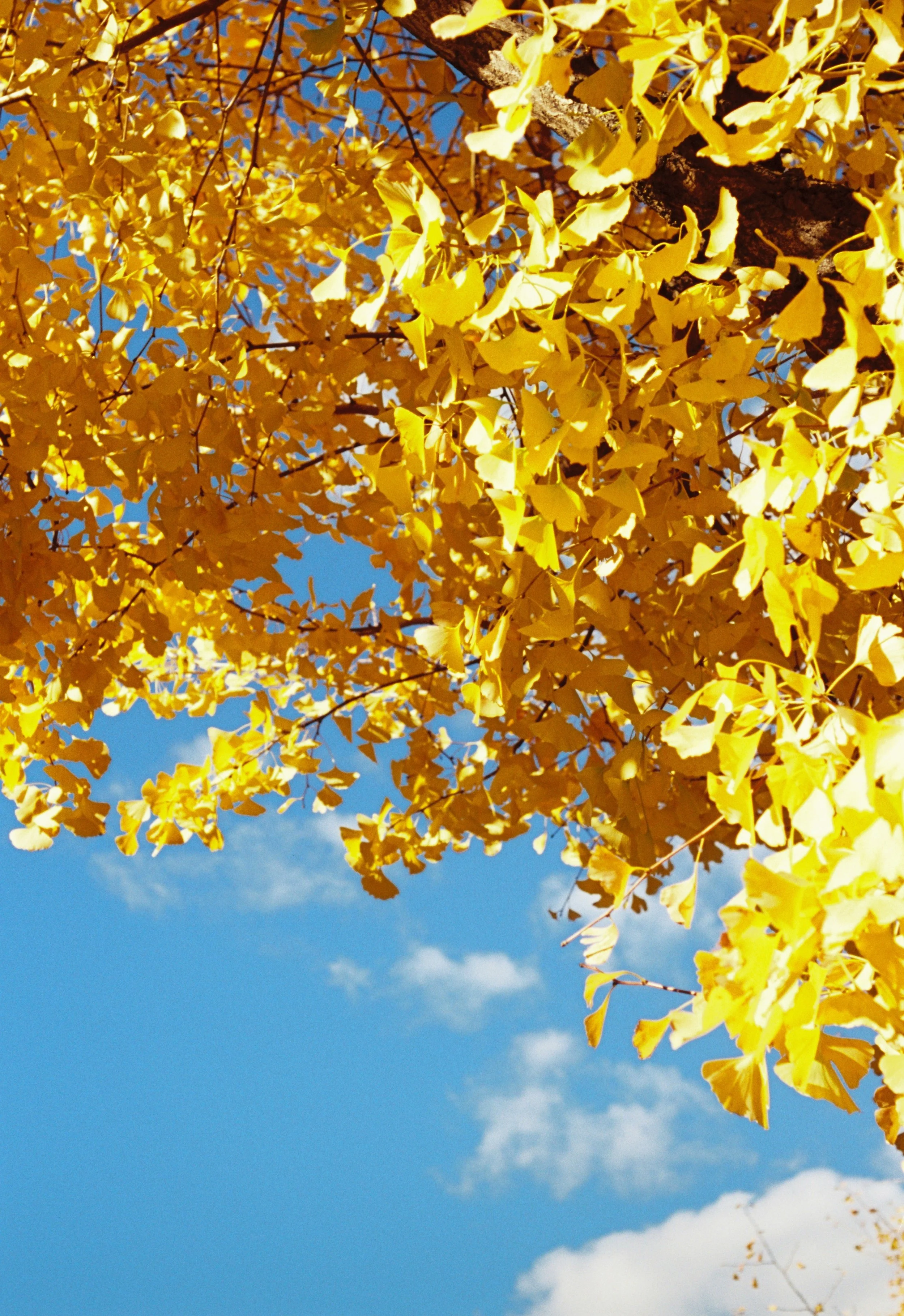

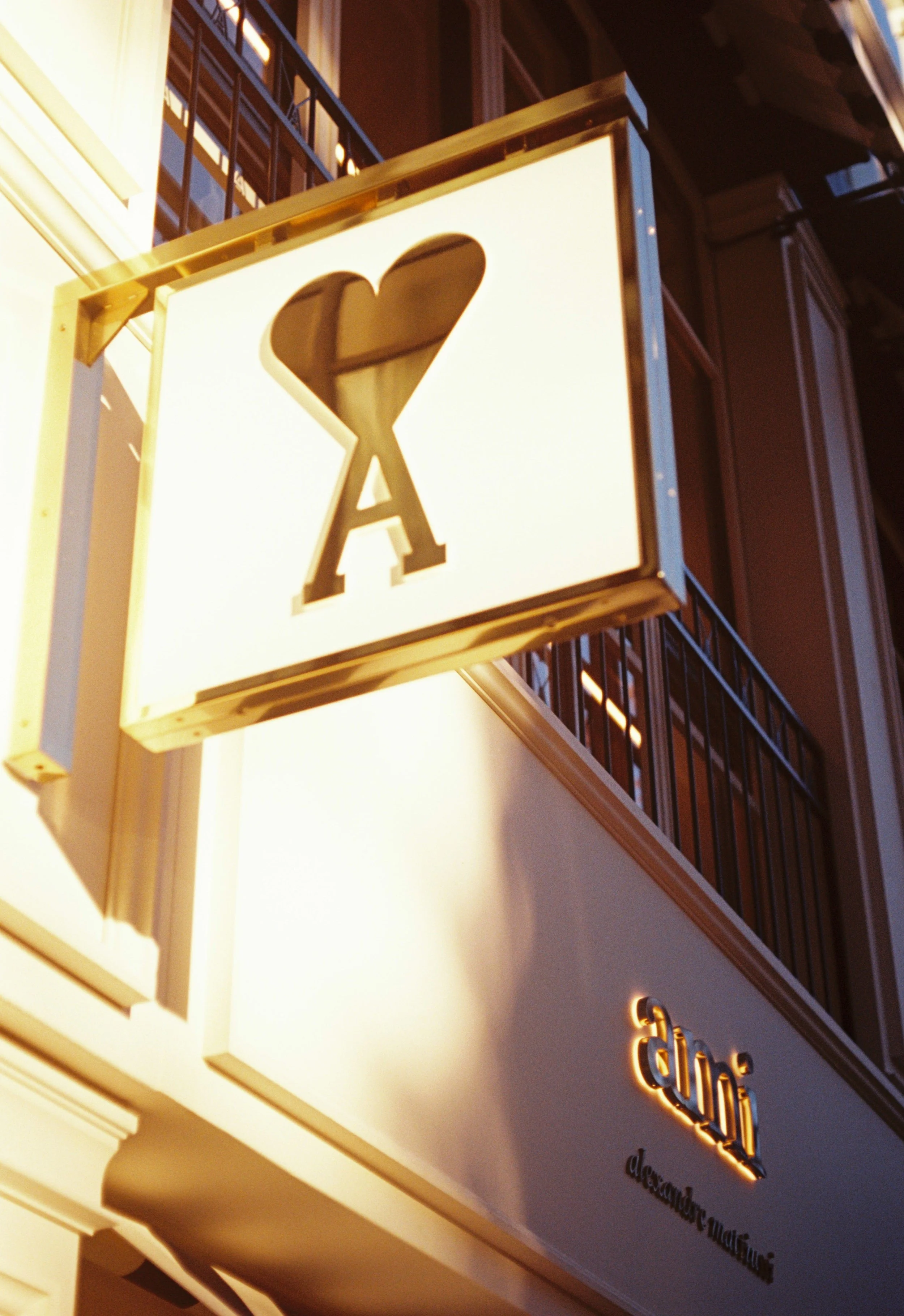

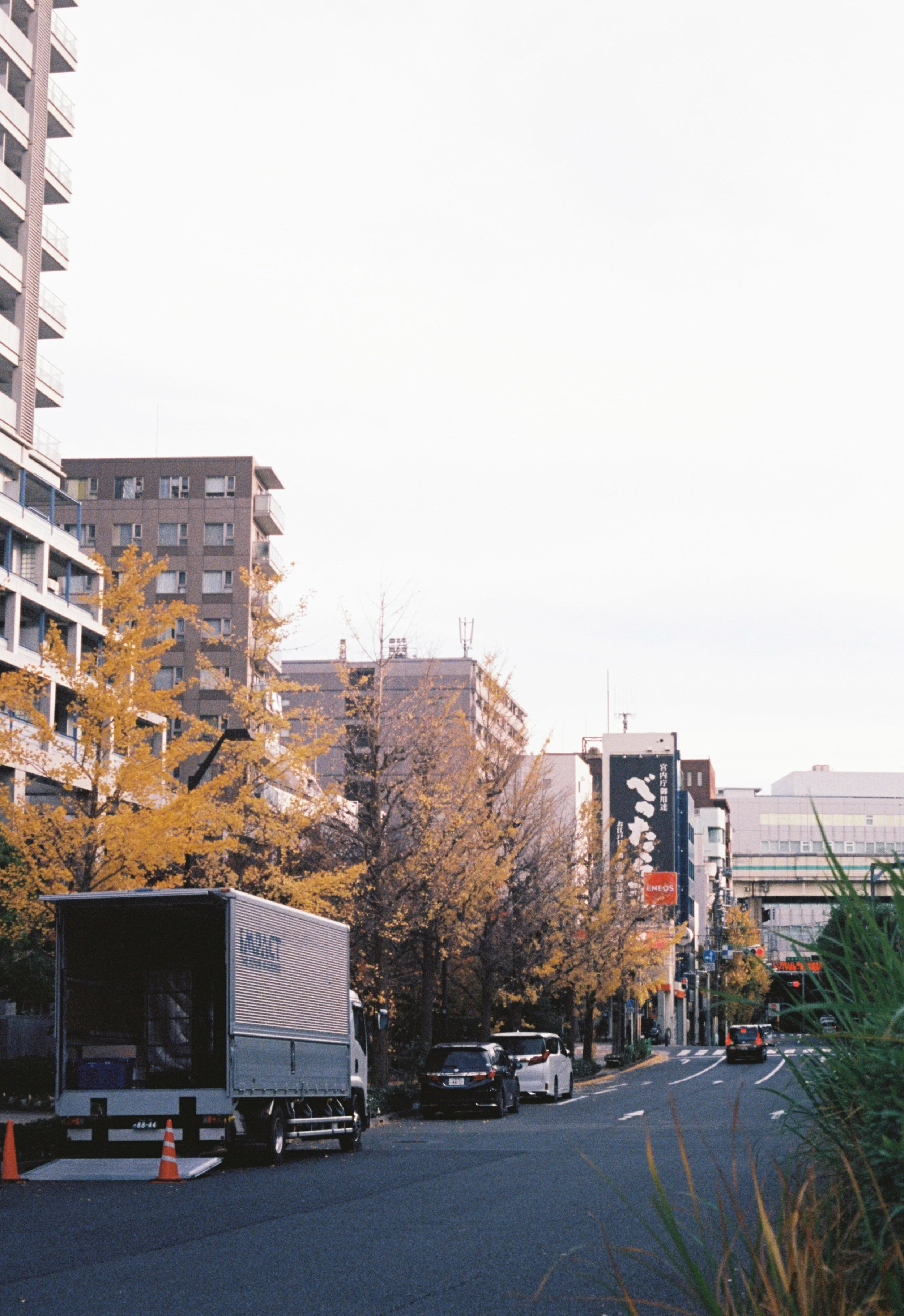
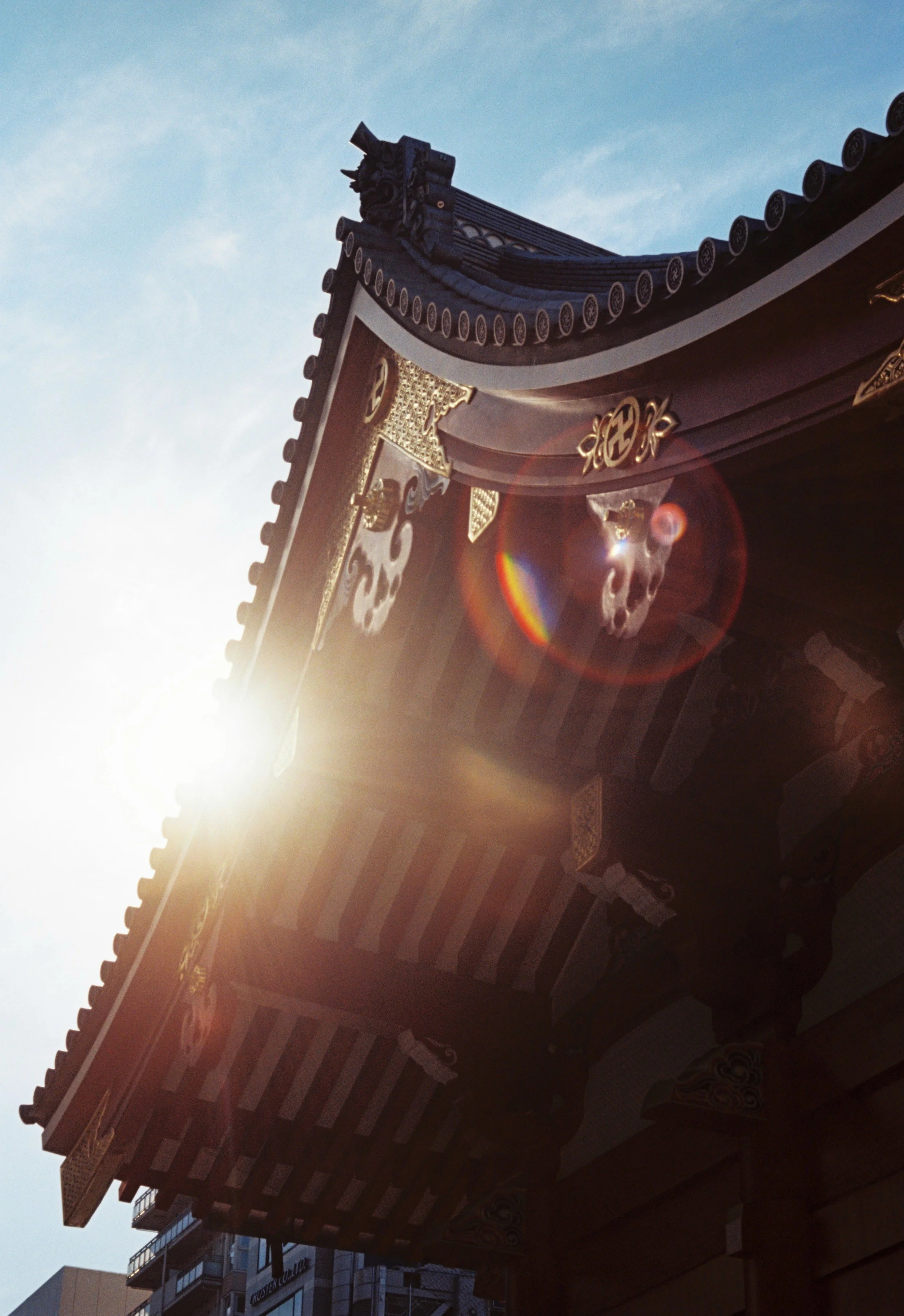
Olympus Pen F, 38mm f1.8, Kodak Ektar 100, 2nd Base Akihabara. Notice the strong flare and ghosting from the Zuiko 38mm.
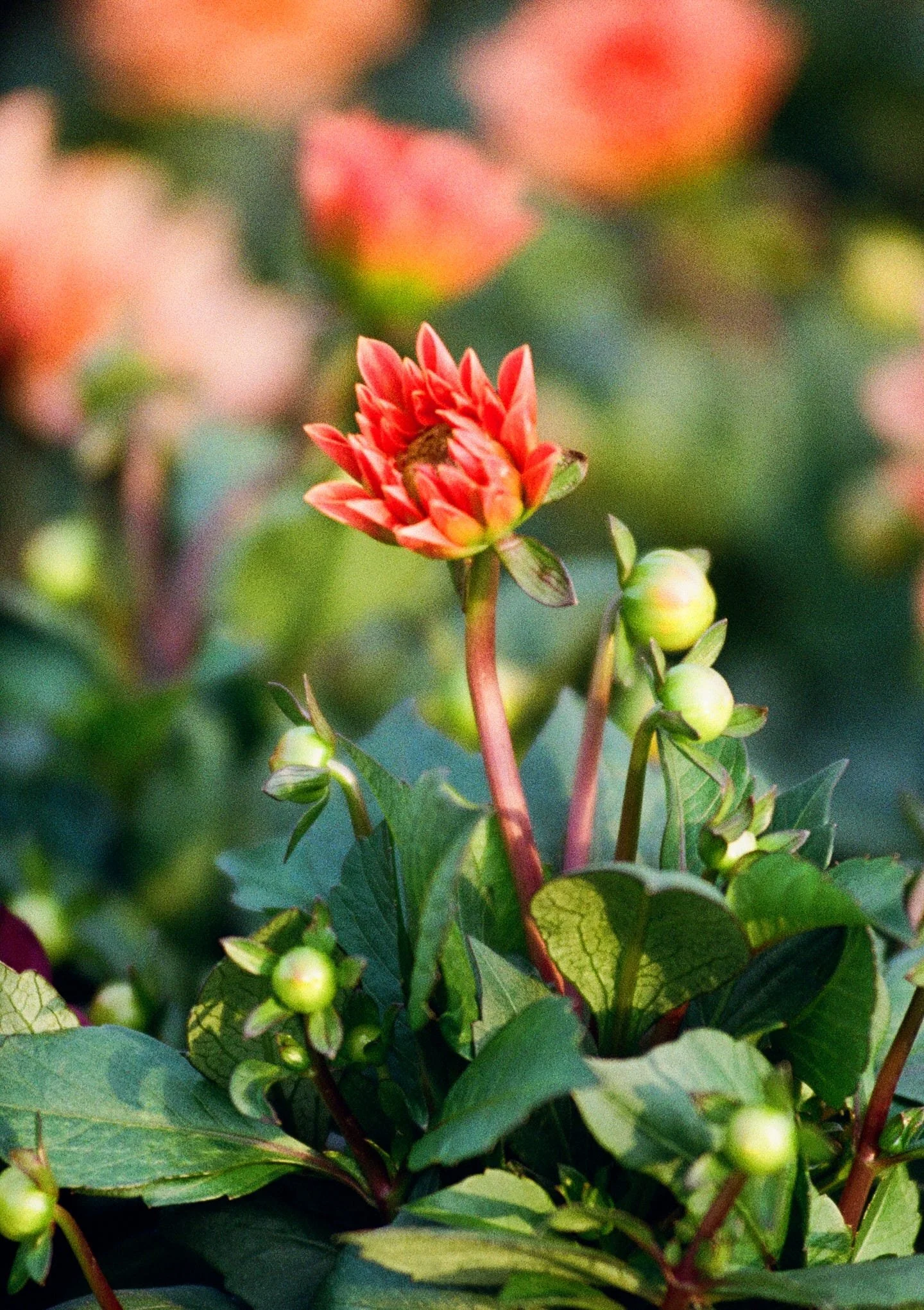
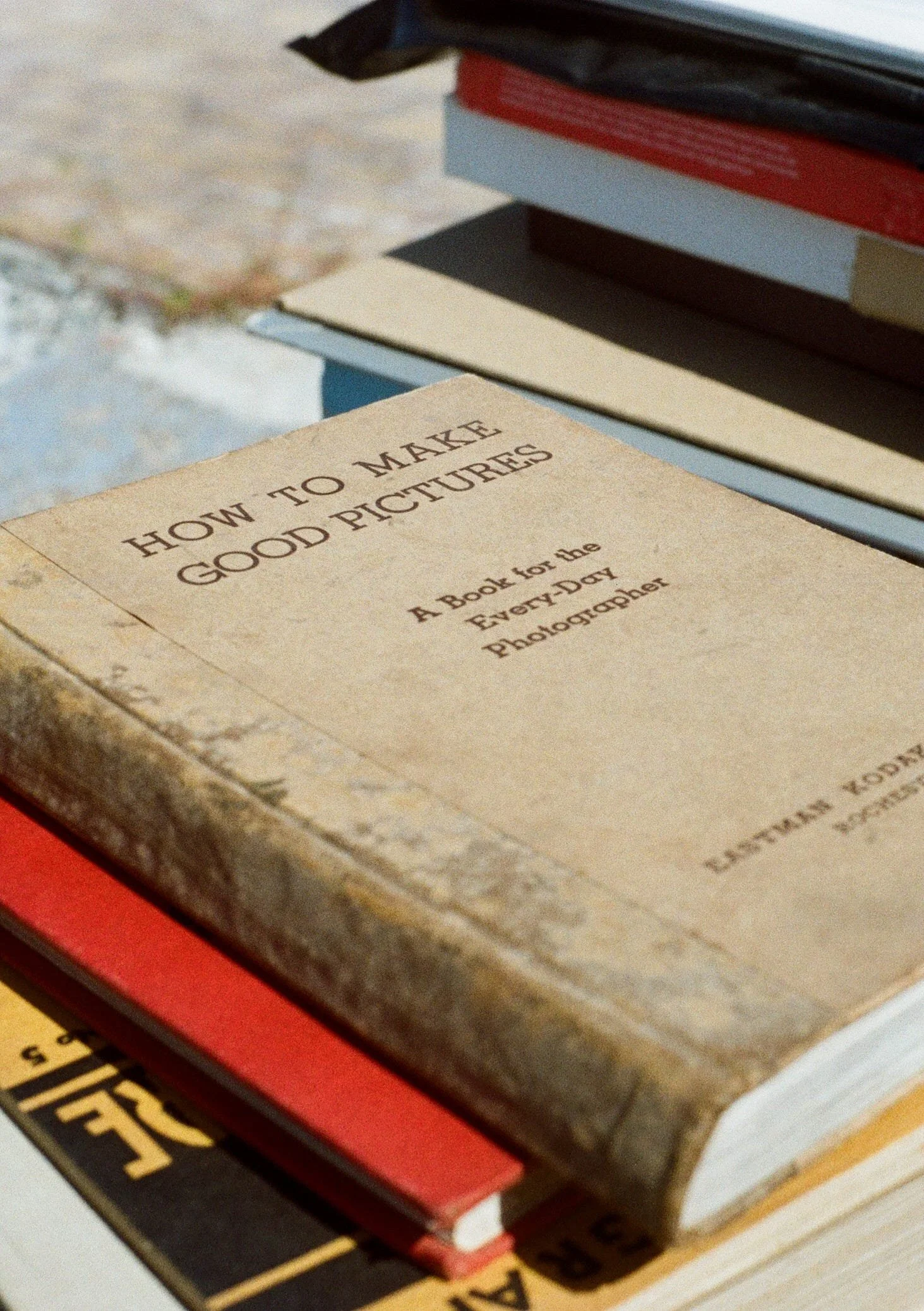
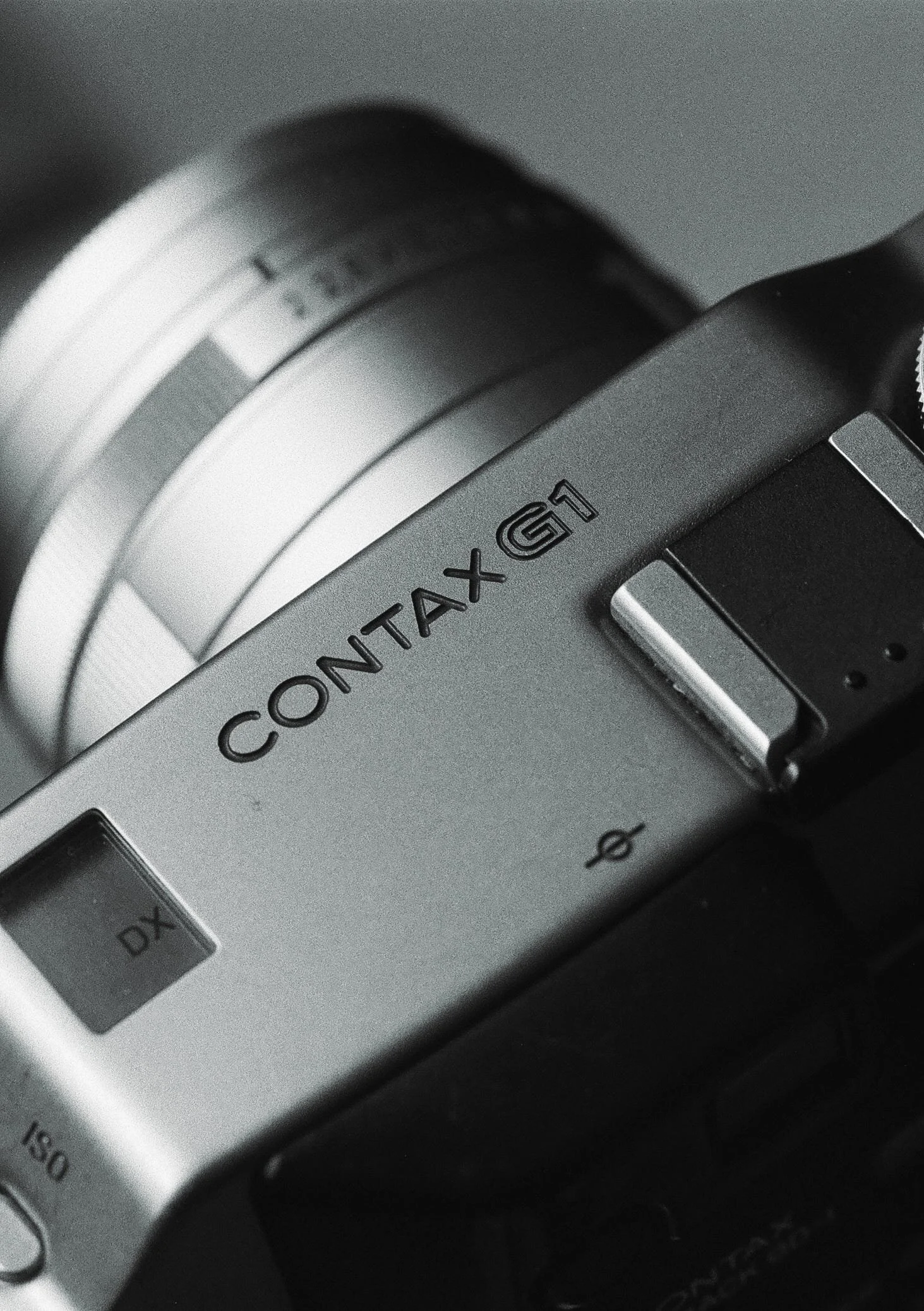
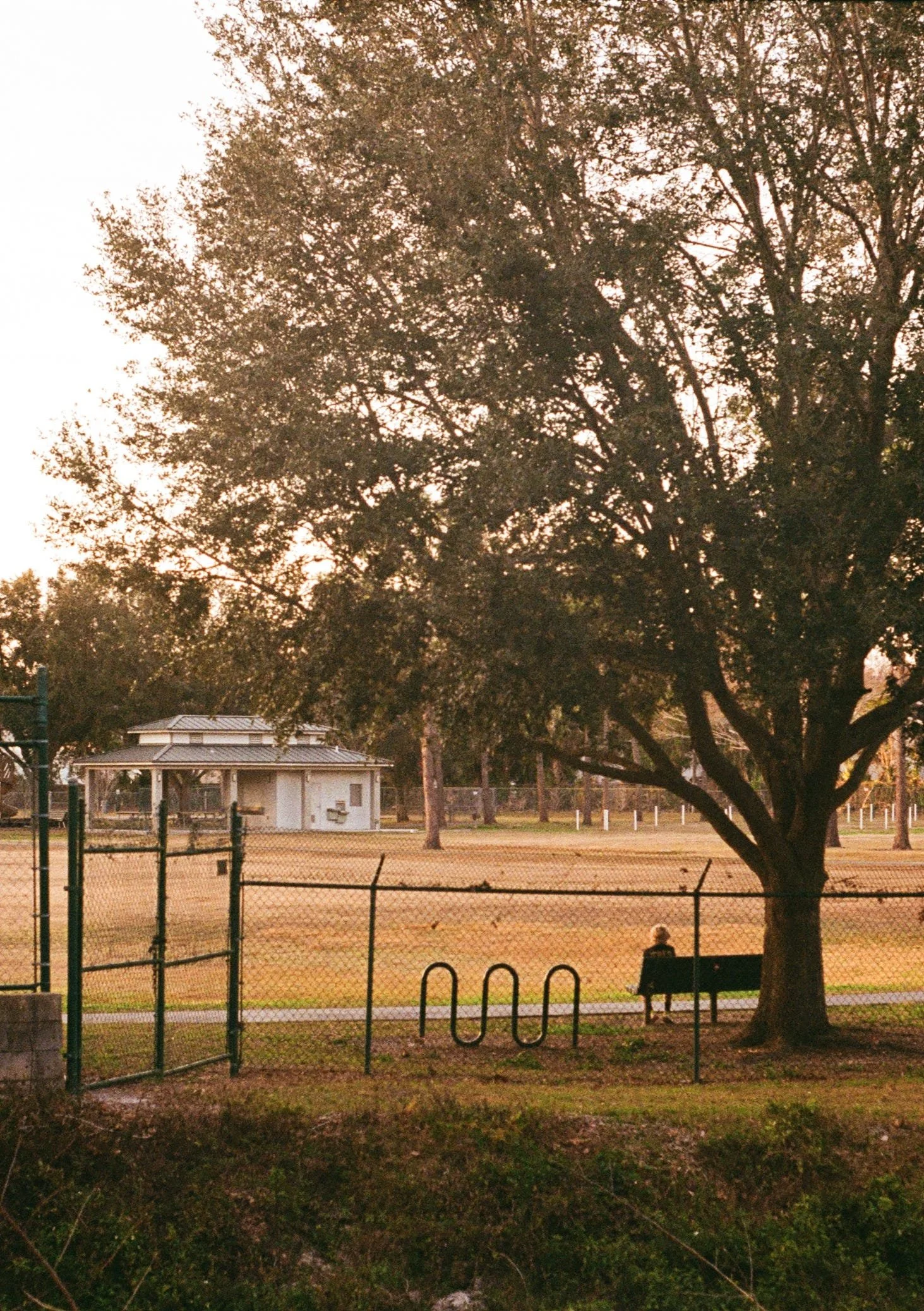
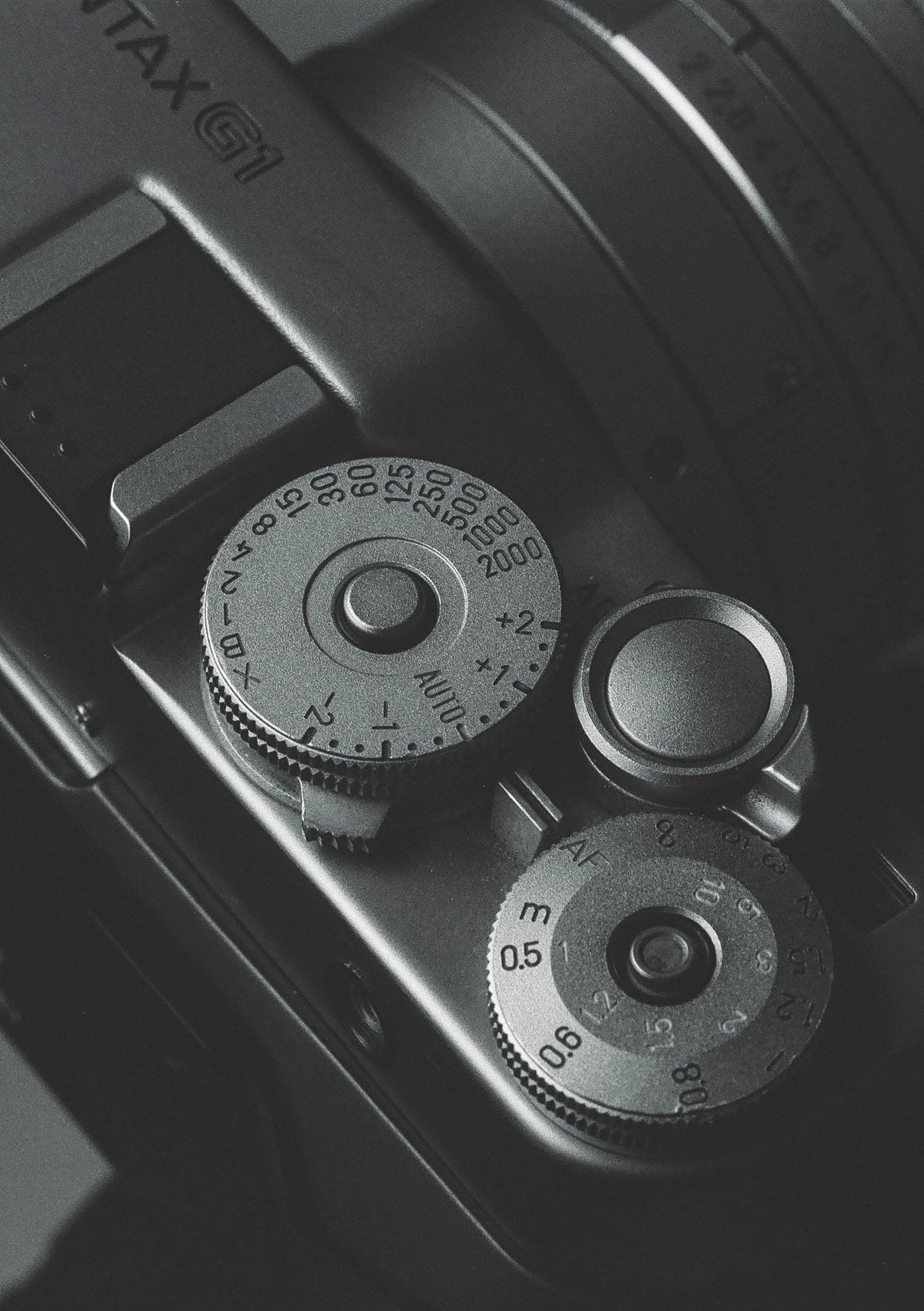
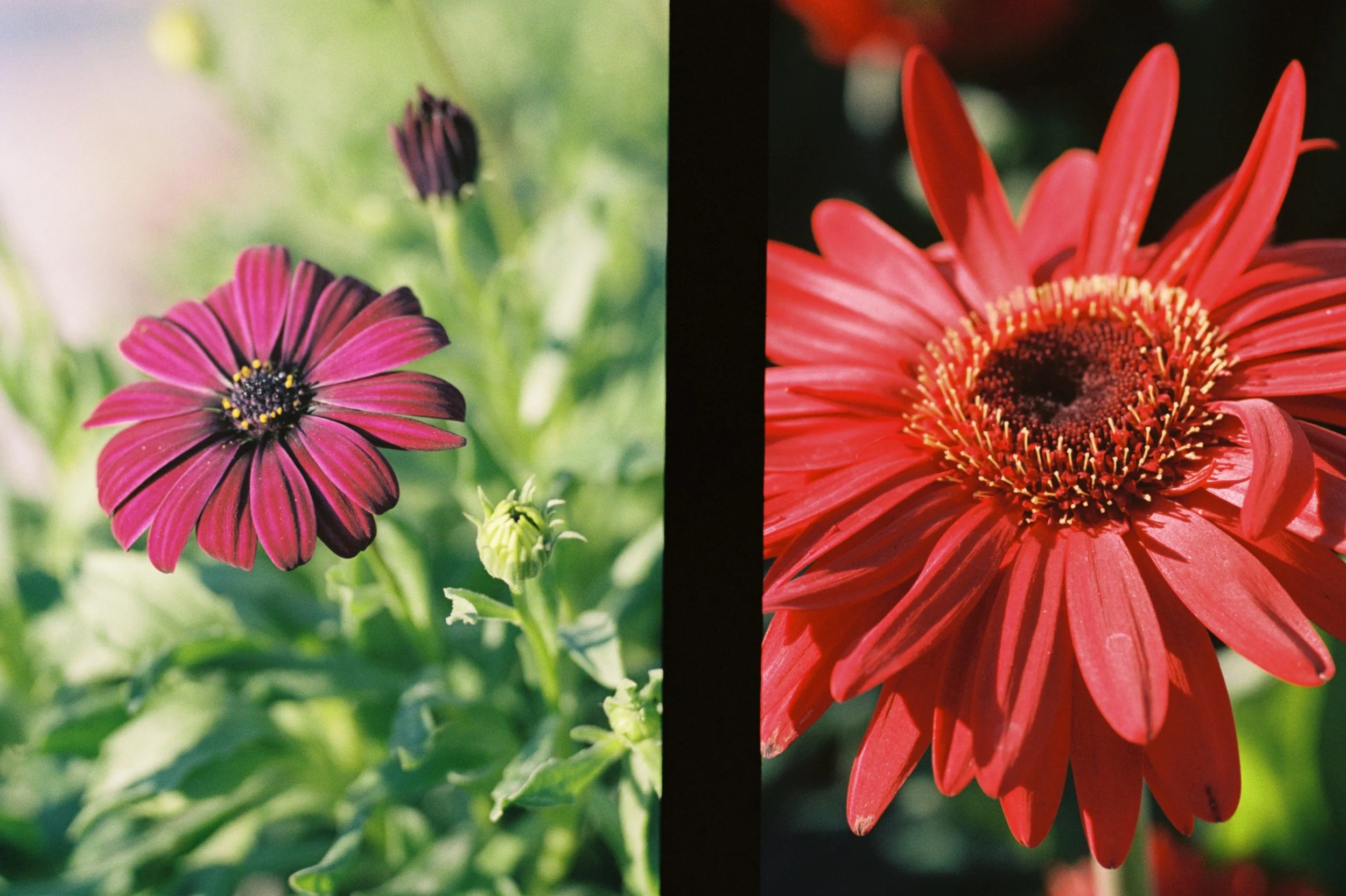

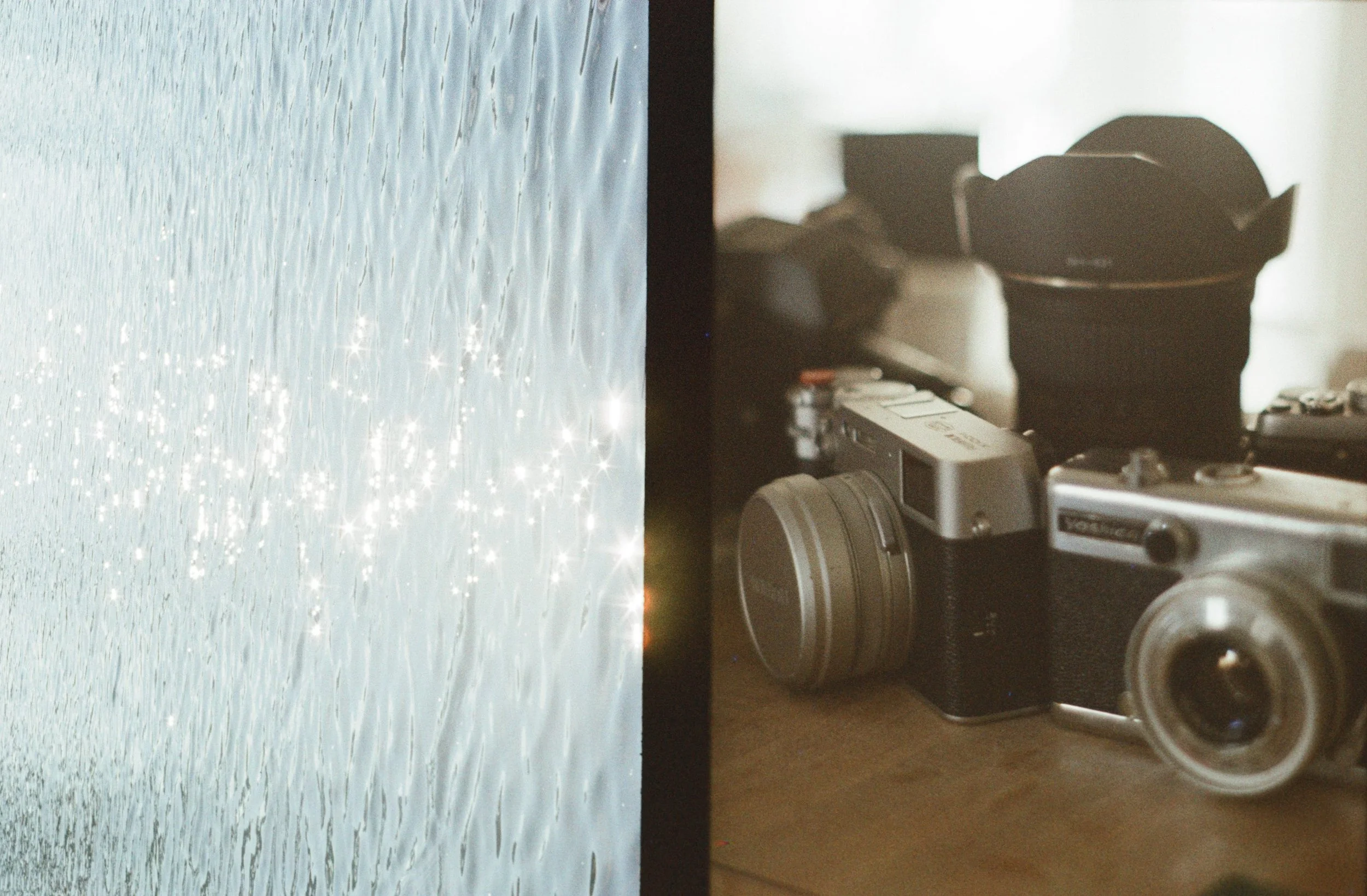
Click any image above to get a closer look
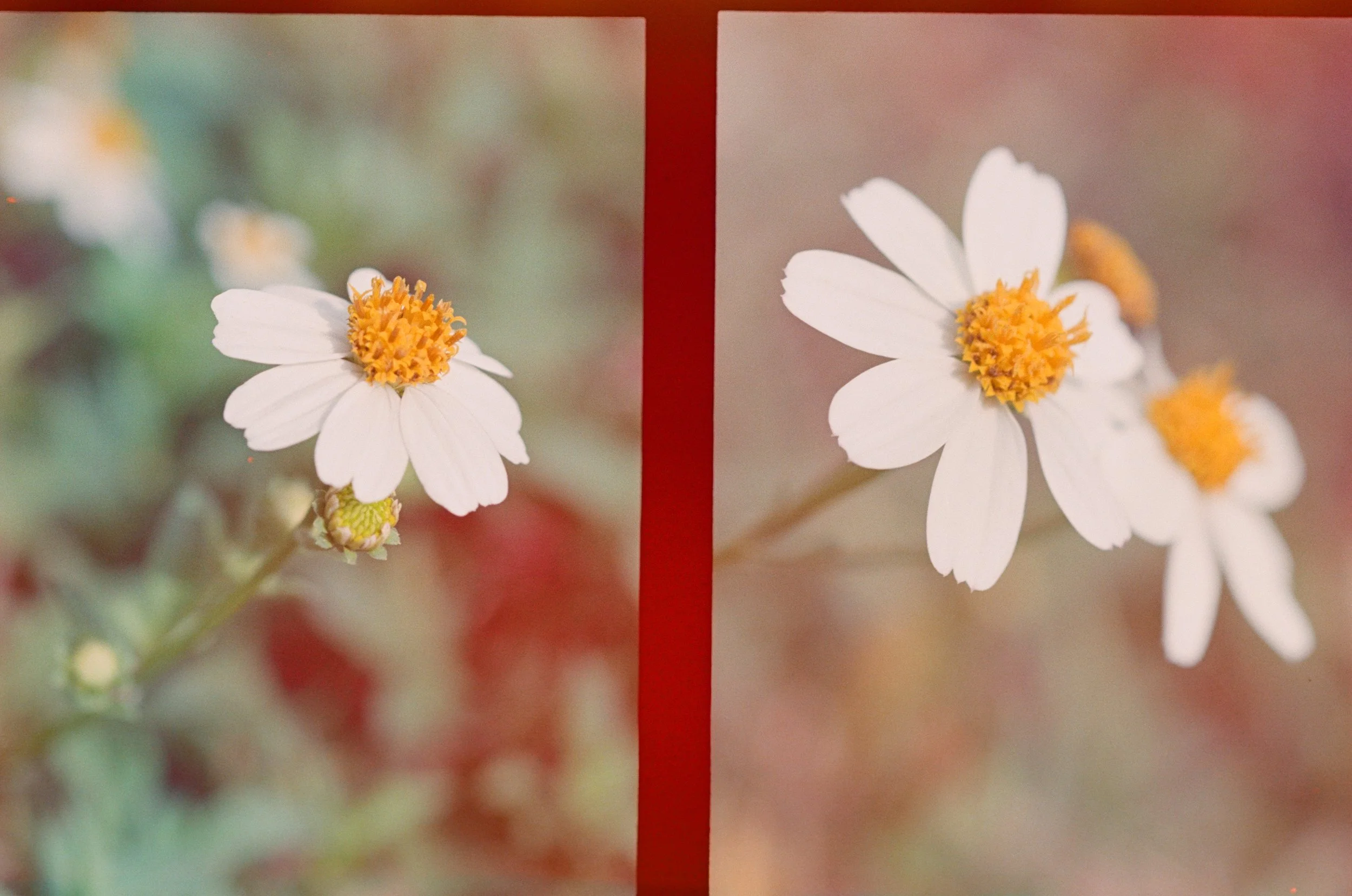
Light Leaked KodakVision 3 film, Nikon Nikkor-Micro 105mm f2.8, Coastal Film Lab
Hope this helped or at the very least, that it was a fun read! Thanks for spending time with me today and until next time. :-)