Industar 26m 52mm f2.8: Street Photography Impressions
Tidbits about this impression piece:
Shot on a Voigtlander Bessa R.
Most metering internal at first, switched to external meter later.
Both rolls processed and scanned by Yeonnam Film.
Only 2 rolls, Kentmere 400 @ 800 / Reflx Lab 640T.
My copy was from eBay.
TLDR:
This lens serves its purpose as a 50mm(-ish) rangefinder coupled lens. You get what you pay for though. The lack of coatings creates a lens that washes out easily; leading to lower contrast/sharpness than more modern options. If you get it for free, it's perfectly usable but not worth paying for or seeking out.
Build Quality & Handling
The lens with its decades of age is not holding up as well as I would like visually, but the focus wheel and aperture ring handle well. Not too loose nor stiff. As long as aesthetics aren't the end-all be-all, it's usable. Optically, the glass quality is fine and inline with a lens from the early-ish 1900’s. My lens came with a large amount of debris in it that isn’t noticeable day-to-day but is unpleasant and dirty-looking when there’s flaring.
Let's talk about a few quirks when handling the Industar 26m:
The lens doesn't sit on the Bessa R correctly. This may not be an issue on a Soviet camera but the focus scale and selected aperture end up crooked. This worried me and made me wonder if the lens isn't the exact distance from the film to create properly focused images. Ultimately, all images ended up being in focus. I'm not sure if it's because the widest aperture is f2.8 or if the lens is the correct distance from the film plane but focusing worked out in the end.
The next things that I noticed are about the focus barrel. The barrel is quite large which I like and the grooves/ridges are nice to use for turning the barrel. Also, the focus barrel is flush with the body; the problem is that it's much more difficult to turn a focus wheel that's flush. It's not a deal breaker but after testing was over I was glad to not need to deal with this quirk anymore.
Finally, this lens doesn't play well with internal light meters. The way it's built partially blocks the meter in the Bessa and resulted in shots being overexposed. Most LTM cameras don't have meters but Bessa owners should be aware of this issue.
In the Field
Being a 52mm lens, you will end up with shots that are a hair tighter than what standard 50mm lenses show. In practice this was never an issue. Very seldom if ever was this noticeable in photos. If concerned, the difference at this focal length is small enough where you can just lean back a little after framing your shot and you'll get what you initially framed.
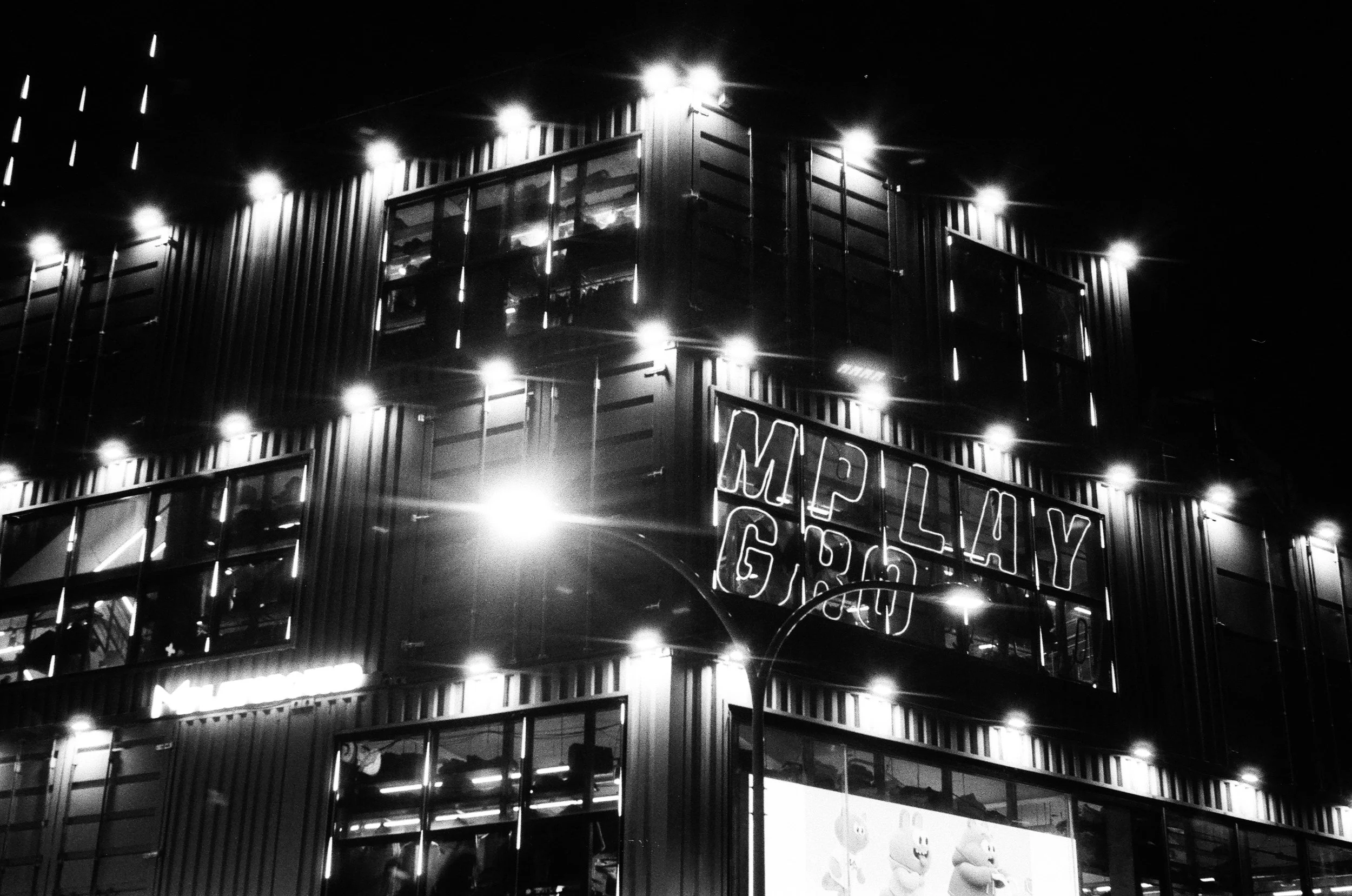
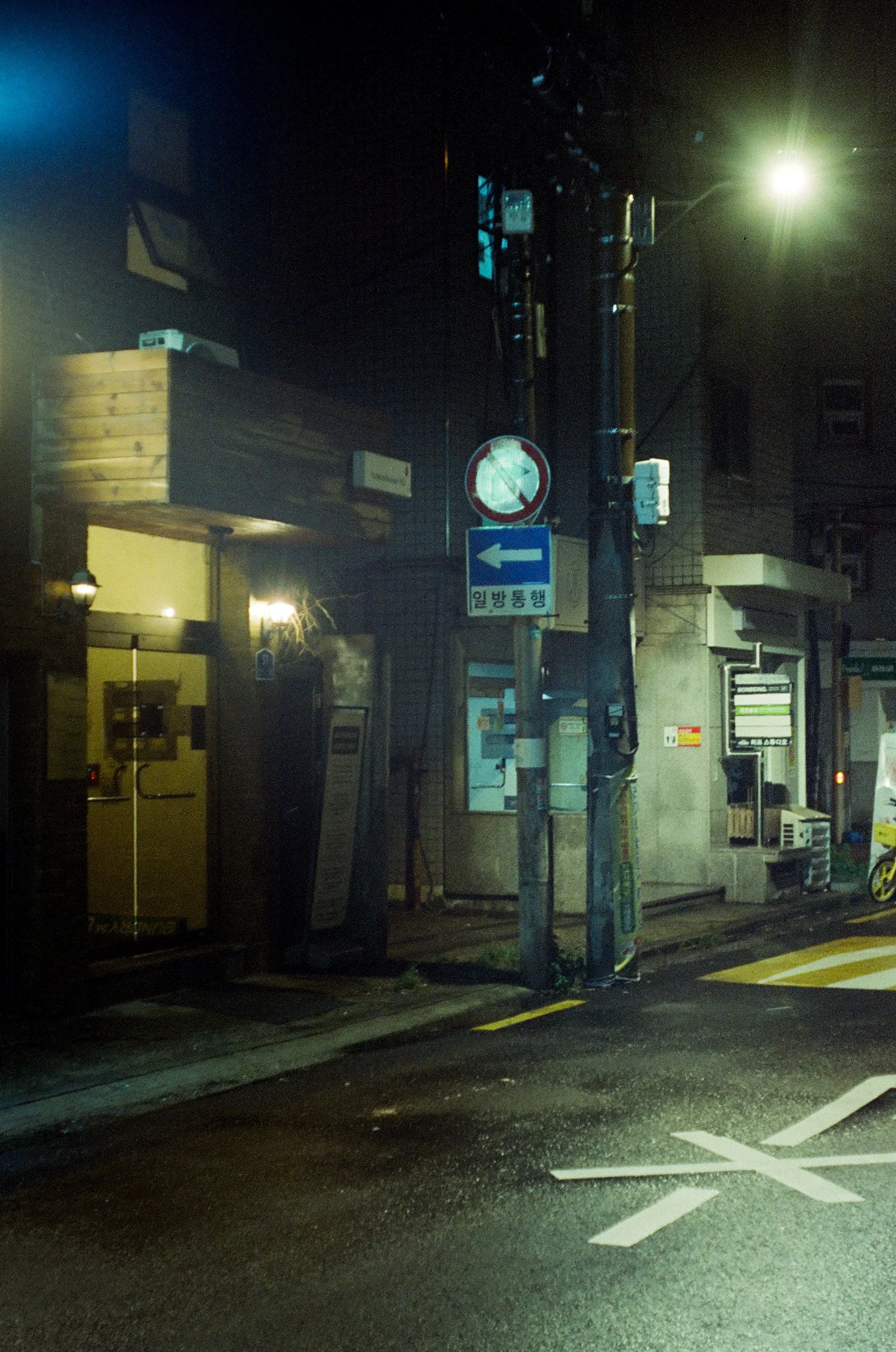
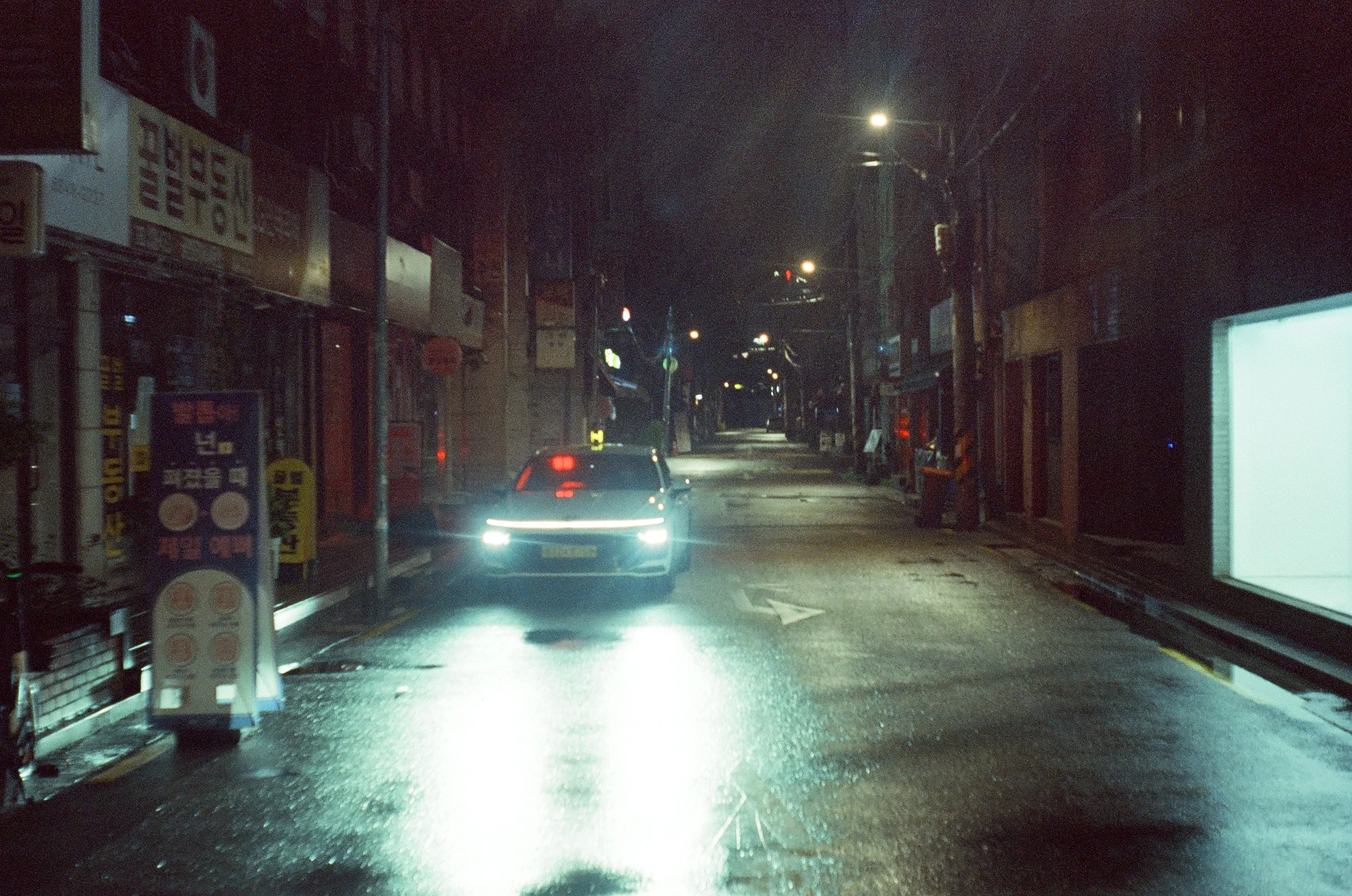
Starting at f2.8, this lens is pretty generous with a bit of a deeper depth of field. Even with the Bessa R's poor EBL (effective base length), my focus hit rate was in the 90's percentage-wise and only suffered when shooting at night. When using a camera with a higher EBL, you should hit focus pretty easily. The trade-off is that at night I was constantly struggling vs shutter speed. Shots may be in focus but then you're fighting motion blur and camera shake.
With a minimum focus distance of 1 meter and max aperture you wouldn't buy this for bokeh. You can force it, but it won't be common in photos. When bokeh appears it has the swirly look you'd expect of lenses from this time. Bokeh has harsh outlines and in the corner thin out into oval-ish shapes.
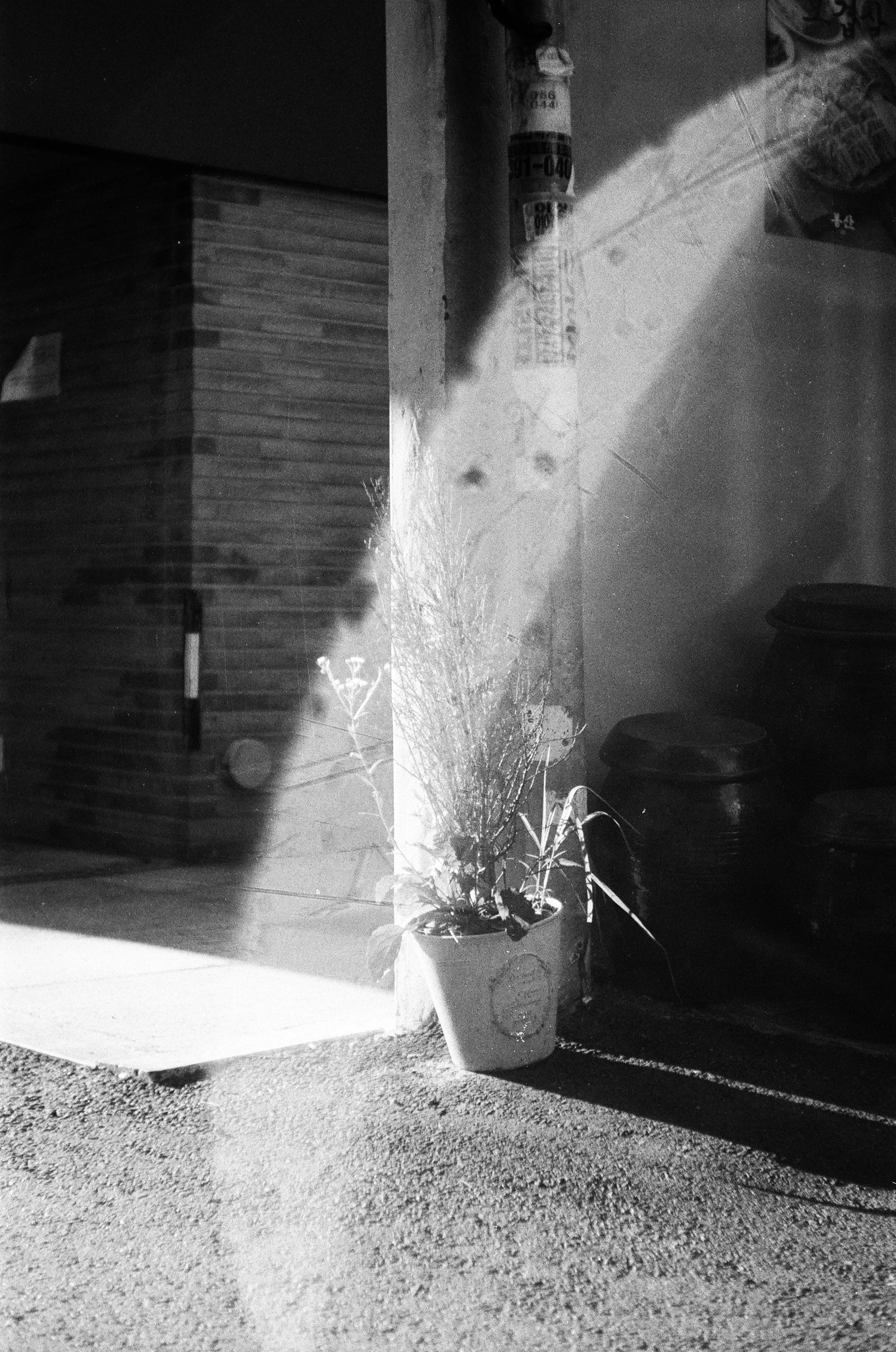
Sharpness & contrast are both below average and nothing to write home about. With this lens being "slow" I paired it with 640 & 400 pushed to 800 ISO film so that probably contributed to it.
When shooting bright light sources, the lens blooms easily. The lack of modern coatings is VERY apparent when shooting contrasty situations. On the topic of blooms I'll mention that this lens flares easily too if there are bright light sources out of frame and my copy shows all the dust and crap inside the lens in the flares... it's both distracting and disgusting. On color film, the flares going across the frame can look kind of streaky and unappealing.
Overall color reproduction was fine. Maybe slight color shift but nothing I notice. Things look more or less true to life with occasional wash outs from light blooms or flaring from off camera. Due to this, consider mainly using black & white.
Alternatives
Jupiter-8 50/2
Other Industars
Canon 50/1.8
Nikkor 50mm F2 if you can splurge.
If you have the opportunity to get something else, I would advise for that. Ideally you should save up for the Canon or Nikon. Not for the apertures but rather the quality & experience. Online sample photos for both looked better optically, focus barrels are in a more ergonomic spot and most importantly, holds value better if you want to upgrade.
If you can’t afford the Japanese offerings, then I’d suggest maybe trying for the Jupiter-8 50/2. Samples from that lens looked similar but with ergonomics that look less cumbersome and a brighter aperture. Other Soviet lenses don’t seem to offer much over this lens, honestly and what will really matters is how the lens was cared for over the decades.
Verdict
Despite ragging on the Industar 26m so hard, the lens isn't offensively terrible. It's basically next to free before shipping or free with Soviet rangefinders bodies so the cost to try the roulette for a nice copy is cheap. The lens isn't heavy and provides more than serviceable images once you work out the quirks. If you want a cheap lens with character to experiment with, this could be a good option. Just don't make it your only lens.
Do I recommend it?
Honestly, unless you already have it, no. It's not a bad lens but it's sure not good. It doesn't do anything well and would just be mindless consumerism. Save your money, the film you'd waste on the lens is worth more than the lens itself.
Additional Readings:
Fujifilm Tiara II Impressions - a relatively modern point and shoot that’s also one of the smallest 135 cameras you can buy.
Olympus Pen F Review - For those who like small interchangeable lens cameras, the Pen F is one of the smallest SLR’s that you can find.
Voigtlander Nokton 50mm f1.5 II Review - Another 50mm rangefinder lens that you can find new right now and is the smallest fast 50 as of 2026.
Lucky Color Film 200 Impressions - One of the newest films to be released, let’s see how it does for street photography while we photographing Seoul’s beautiful palaces.