Voigtlander Nokton 50mm f1.5 II Review: An Under Appreciated Gem
In the saturated field of 50mm rangefinder lenses, the Voigtlander Nokton 50mm f1.5 II drew me in with its promise of being the smallest 50mm lens that's faster than f2.0. Despite not having the "Leica" badge on it to impress the Leica purists, I've found that this lens punches well above its price tag and is an underrated tool that every M mount shooter should at least consider.
TLDR: This lens is underrated. With its small size, good if not great center sharpness, modern coatings and (relatively) cheap price, anyone who needs an every day carry 50mm for their M Mount camera should consider it if they can look past the vignette.
Shooting Assumptions
This lens will be primarily assessed from the perspective of a film shooter but will use digital images and results when it's appropriate
We’ll be looking at this lens through the perspective of using it as an every day carry and a tool that you’ll bring out with you
We won't be covering much in terms of technical specs, exact measurements, etc. Much of this information exists online and is harder to quantitatively measure on film
Because this is a film oriented review, optical corrections will not be made in post since negatives cannot have "optical corrections" the way modern digital photos do. This lens is easy to correct in post but for the sake of a film-first review, I opted not to
Quick Take
Pros:
Center sharpness is nice even wide open at f1.5
Good sun-stars with well defined points
Modern multi-coatings result in good flare and blooming resistance
Great color reproduction allowing for color rendition to be defined by film and scanning rather than by the lens
Focus calibration from the factory is accurate enough to allow consistently shooting wide open
Images have well defined contrast with good texture and sharpness making the lens feel modern while having character
Price
Size and weight
Smaller size helps avoid rangefinder blockage and should help avoid casting shadows when using flashes
Handling is smooth and easy to handle allowing the lens to stay out of your way; most shots that are unimpressive will be your own fault rather than the lens working against you
Macro shots are fun with a distinctly characterful look when adapted to digital with a helicoid for close focus despite this lens not being designed for this use-case
Cons:
Vignette is atrocious wide open once you've notice it
Performance difference between wide open and stopped down is greater than I'd like, particularly in the corners
No focus tab as part of the design if you like focus tabs (this is a pro for me, I prefer the double ribbed focus barrel but I see many people don’t feel the same way)
Flares, while rare, can be kind of smeary and you won't know until you get your photos back due to the nature of rangefinders
First Impressions
The first thing I noticed about this lens is that it's a very good looking lens. I purchased my copy in silver as I use a Rollei 35RF which is a silver M mount camera and this was one of the few lenses in my budget that I could get new/next to new that would look like a natural fit on my camera.
The next thing I noticed was the size of the 50mm. While noticeably small, the lens feels dense and sturdy. The build quality feels nice with a smooth focus wheel though it lacks a focus tab for those who care about that.
Results
Sharpness & Rendering
I want to start with the center of the lens' sharpness. While I didn't expect it to be poor, I've found the center of the lens to consistently deliver clean sharpness across apertures. When using low ISO film like Portra 160, ProImage 100 or Kentmere 100, the Voigtlander Nokton 50mm f1.5 feels incredibly sharp.
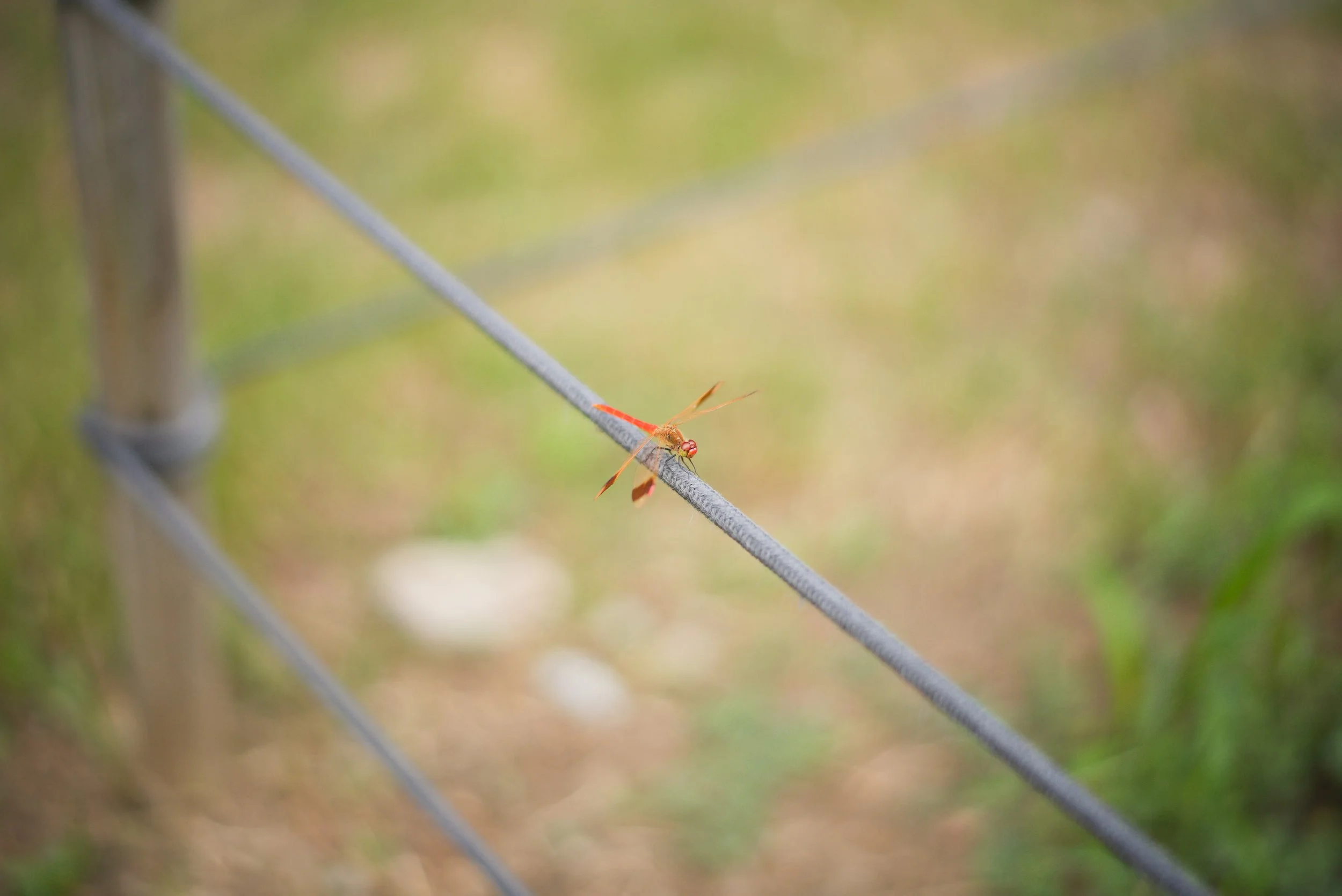



When shot on a digital body with an extending adapter, the detail resolves nicely despite this not being a use-case that the lens was engineered for.
When bringing the lens to my Sony and GFX bodies for testing, the sharpness resolves well. Unfortunately, the corners do not display the same level of performance at all apertures. When you stop down the performance in the corners are fine and smearing is minimal but wide open is a different story.
This lens vignettes very aggressively and is more like older character lenses rather than a lens from the 21st century. Smearing isn't too bad but the corners just come off a bit sloppy.
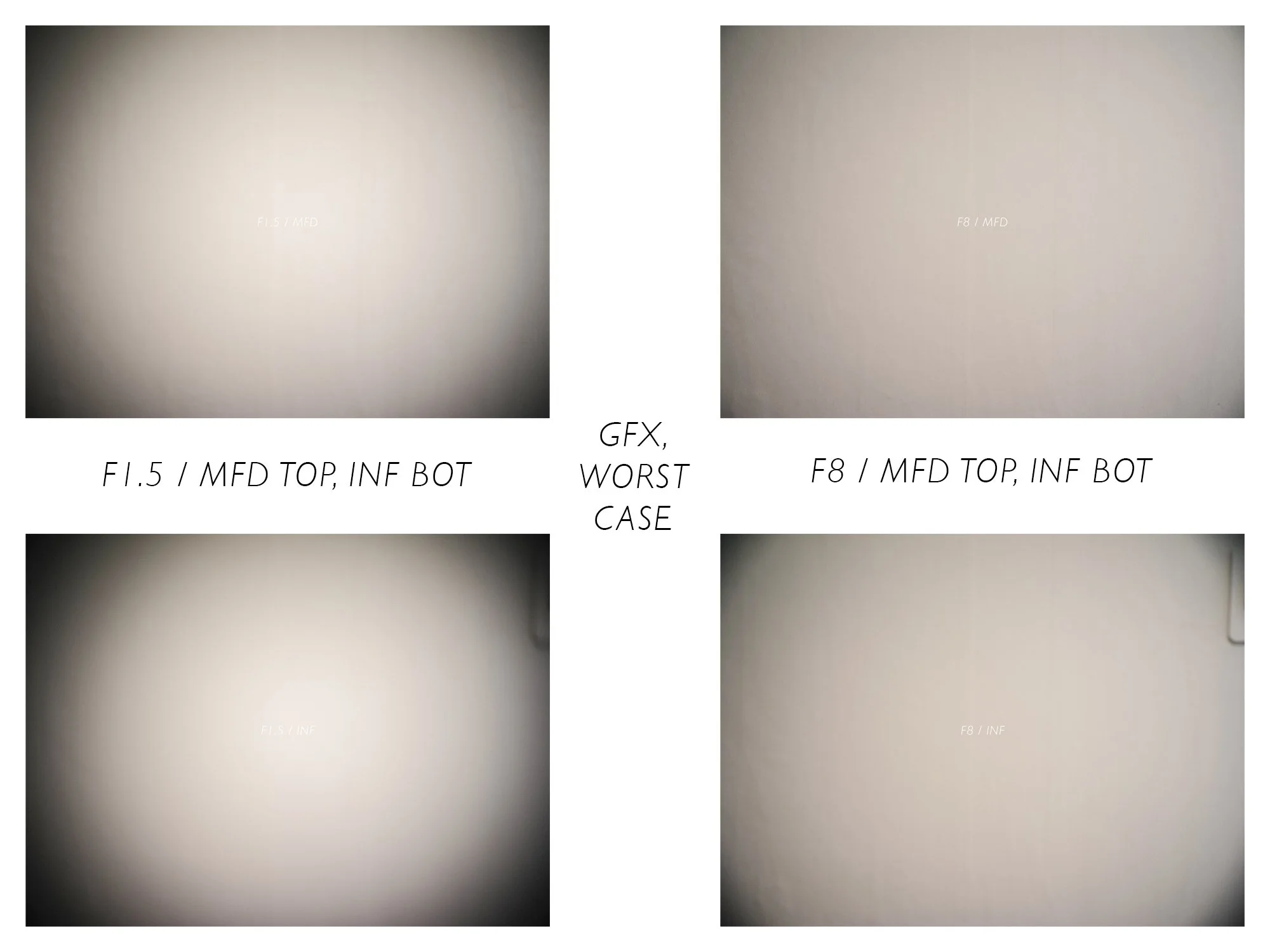
GFX usage is the absolute worst case scenario and is used to show this lens at its extremes. We can see vignetting, particularly at infinity, is horrendous.
By f8 most of it goes away and on film or a full-frame sensor it should be effectively gone. Even at the worst case, f1.5 focused at infinity, vignetting wouldn’t be this noticeable.
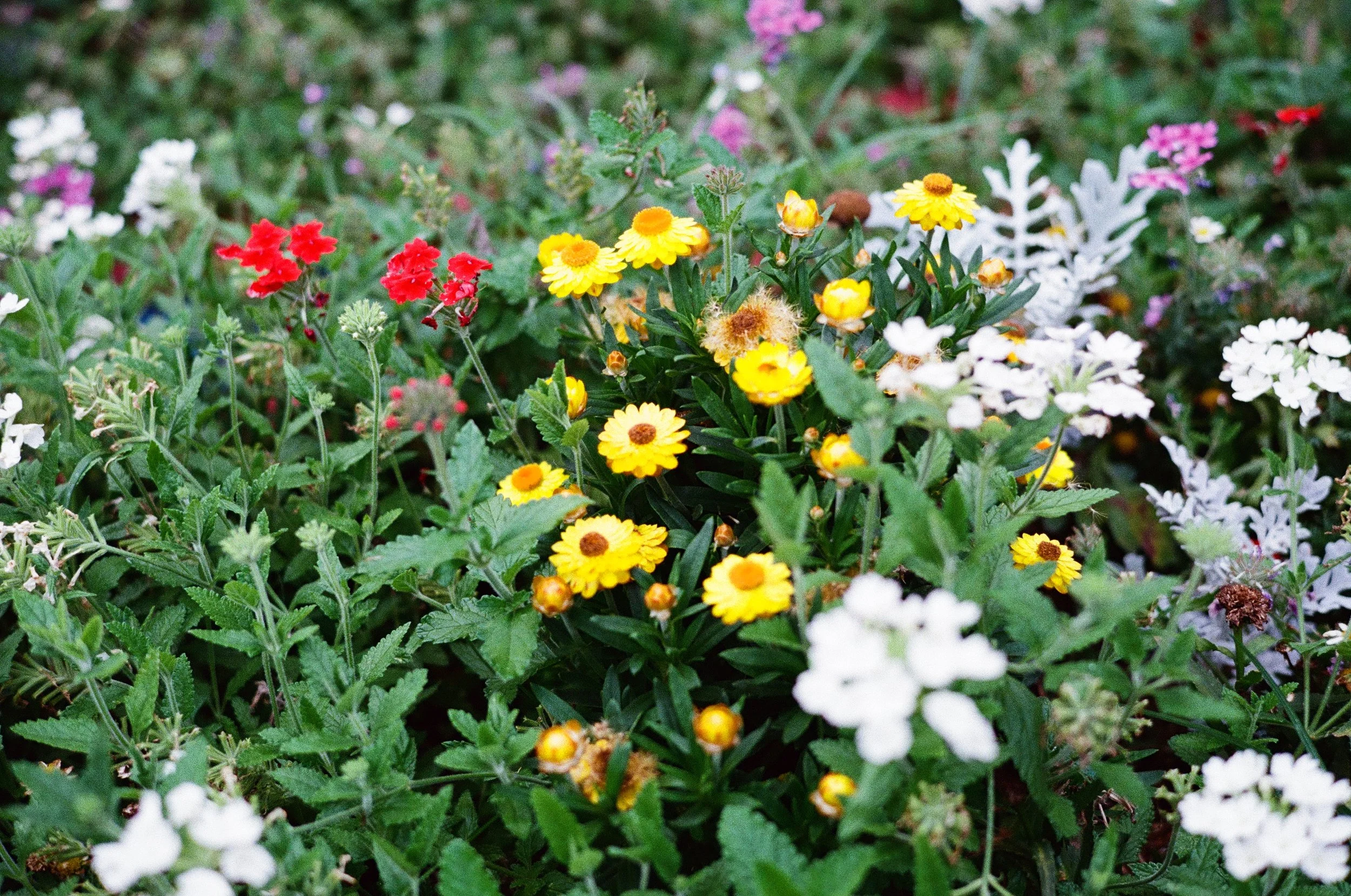
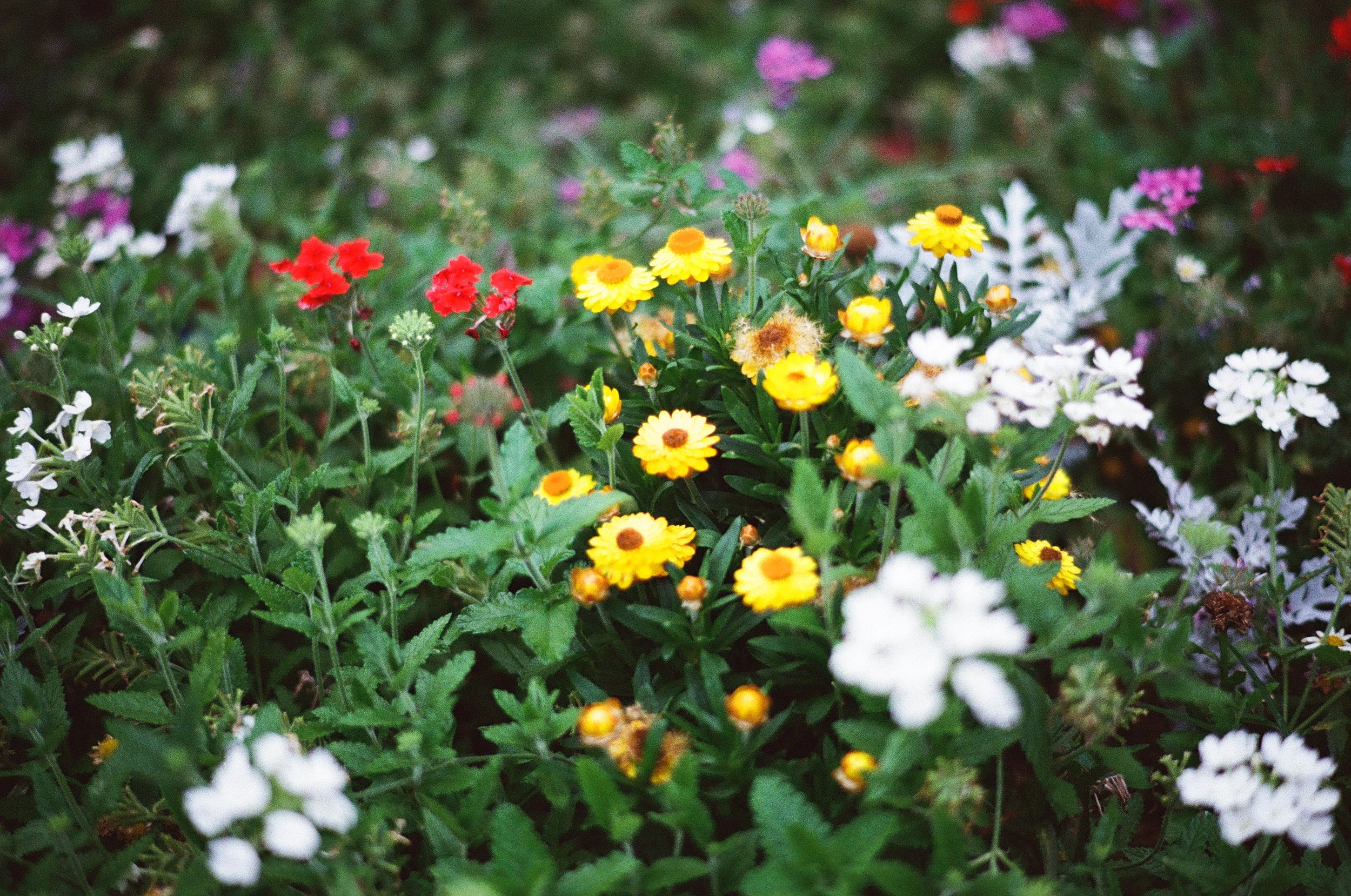
On a more positive note, the lens’ coating is wonderful and I rarely find there to be any blooming, hazing, flaring, etc. There’s also no noticeable color casts from the lens or its coatings. The multi-coated version of the Nokton is really nice for those who like to shoot color photography. While it isn’t optimal for black and white photography (supposedly), I’ve never had any issue in that regard either. I find my images plenty contrast-y and sharp.


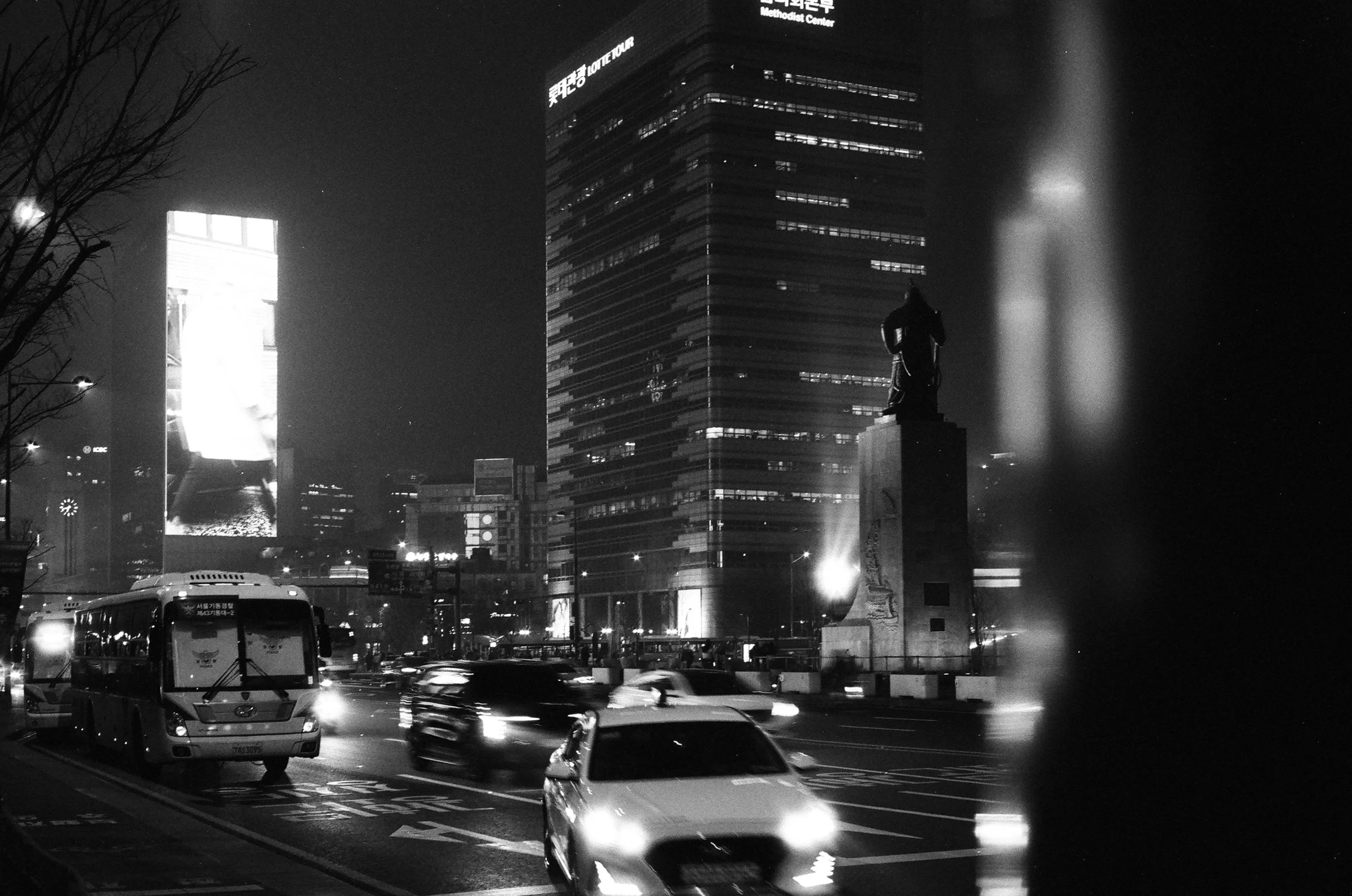
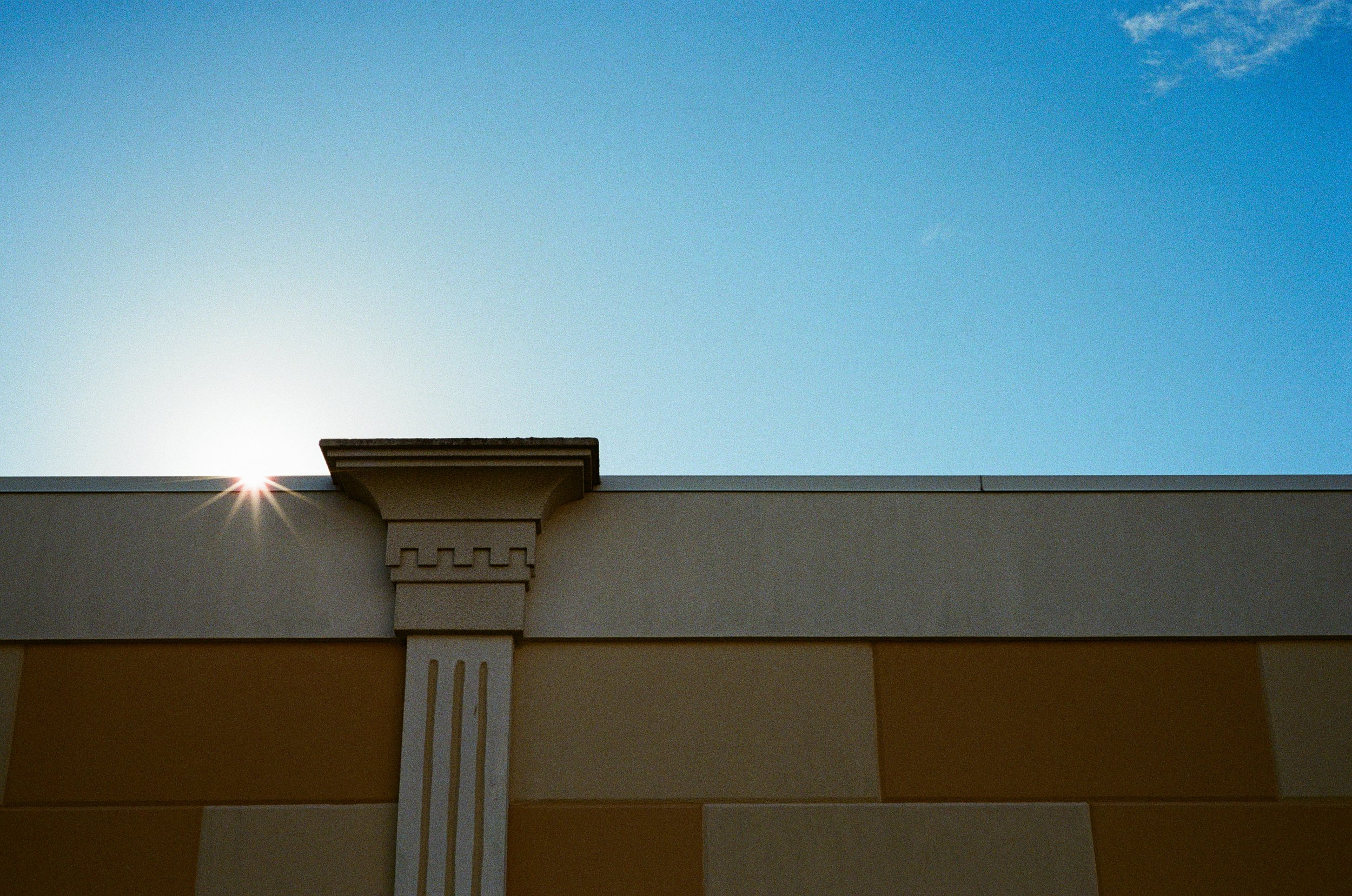
Sun-stars are nice with this lens and I can consistently get shots of light glistening on water or shining through tree branches and leaves that result in stars. It’s one of my favorite tricks to pull off and show people when we travel together, haha.
When writing this section of the review, I’ve started to realize light sources turn into stars more often than I realized, even at shallower f-stops than I’d expect. If you’re averse to sun-stars, this is something to consider.




Bokeh and Fringing/Aberrations
Bokeh can be a bit of a subjective topic but as this is a fast lens, I think we should discuss it a bit since bokeh is often why people buy faster lenses.
On my copy I've found the bokeh to be well controlled without any weird or distracting artifacts. I frequently shoot wide open and in dark environments but have rarely, if ever seen bokeh rendering that I would qualify as distracting or unpleasant.
It's only when intentionally shooting something where almost any lens would have issue that I could get this lens to exhibit unpleasant out of focus areas. When going through all my shots over the past year I found that any image where I was unhappy with the background tended to be a result of my negligence when considering if the background is busy or not.
Otherwise, I'd find the Nokton 50mm f1.5 to be a strong performer with its bokeh.
Regarding aberrations and fringing when shooting high contrast scenes or scenes with razor sharp depth of field, I didn't find this to be an issue. Cheaper lenses often have noticeable fringing and aberrations but despite the cost of this lens, that wasn't something I'd find too often. It's possible that with a digital sensor you may see this more often as I have seen reports of other reviewers finding chromatic aberrations on their copies.



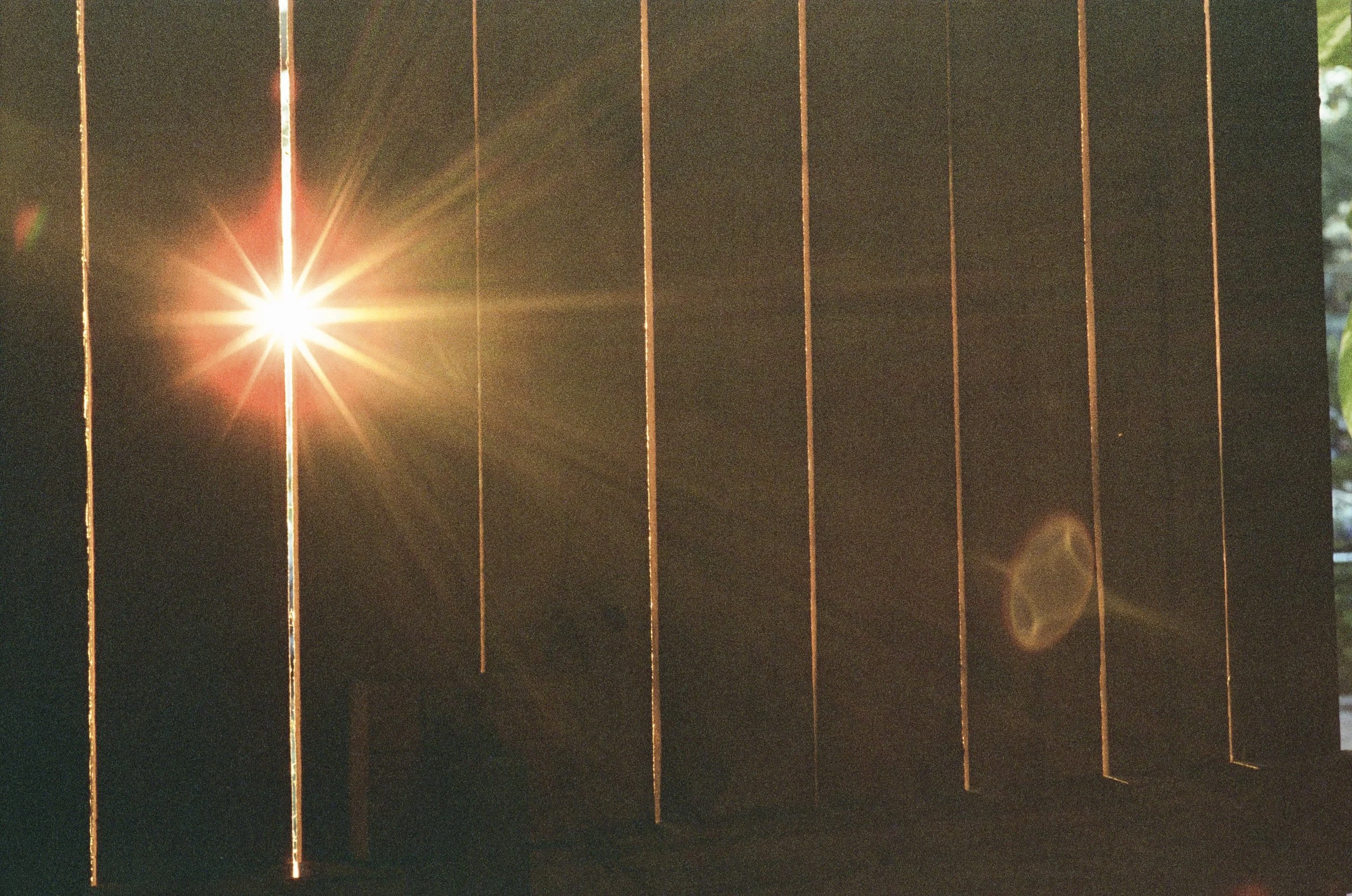
In the images above there's fringing on the parts of the guitar where light is reflecting and causing magenta fringing on the highlights. Furthermore, in the background we can see that the red fence has green fringing where the light is coming through.
With the darker image we can see that controlling your exposure does help mitigate the fringing but it’ll still be there to an extent.
Shot wide open on a GFX medium format sensor, we can see as the lens transitions from out of focus to in focus, there's swirling elements that get more harsh as we approach the edges of the image. There’s also the aforementioned vignette which can be corrected in post.
On film, however, I didn't see anything severe enough that I would have actively noticed it. When reviewing my shots, anything that seemed close to aberrations or fringing kind of blended in with grain... so it wasn't too noticeable if noticeable at all and required zooming in to 200/300%.
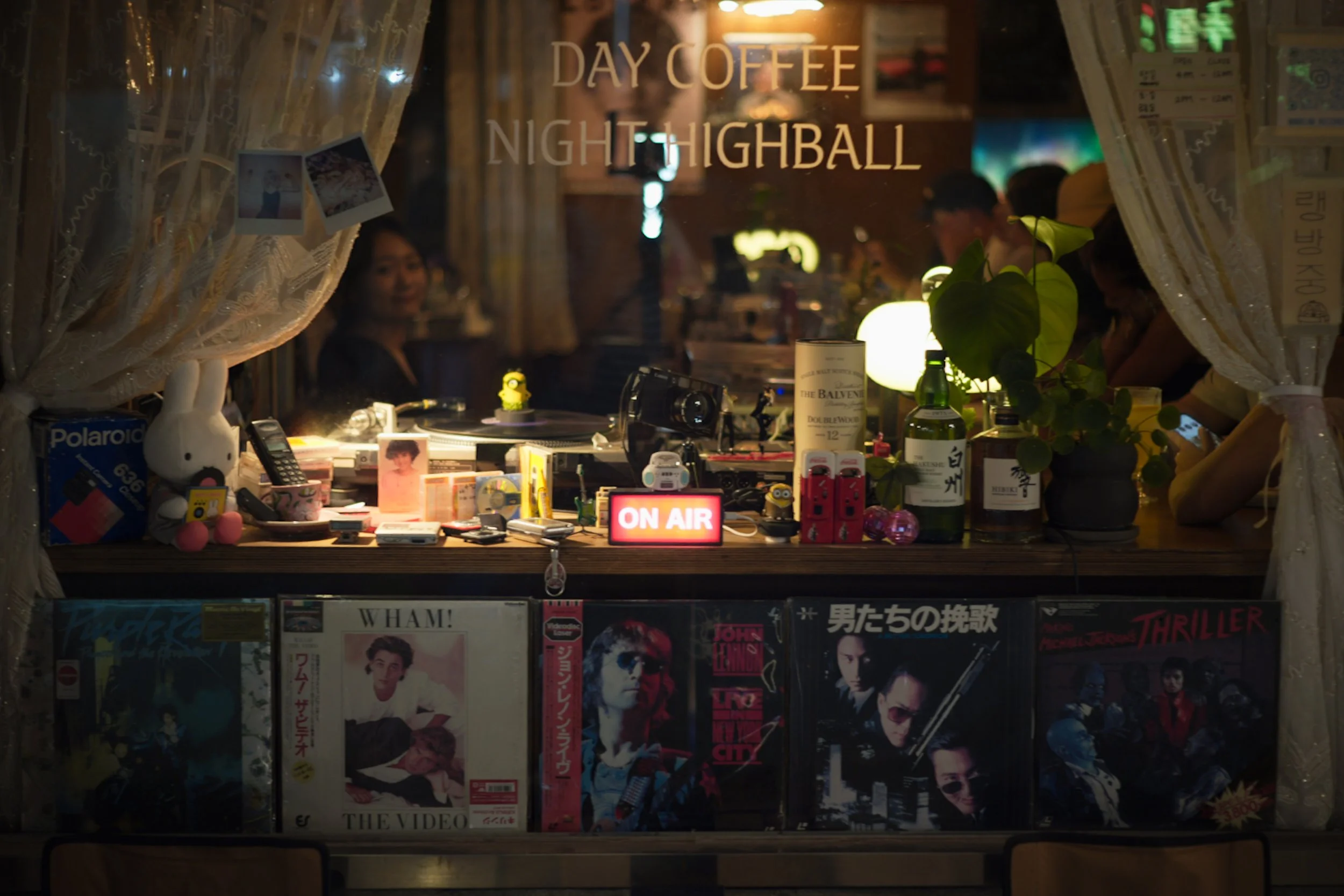
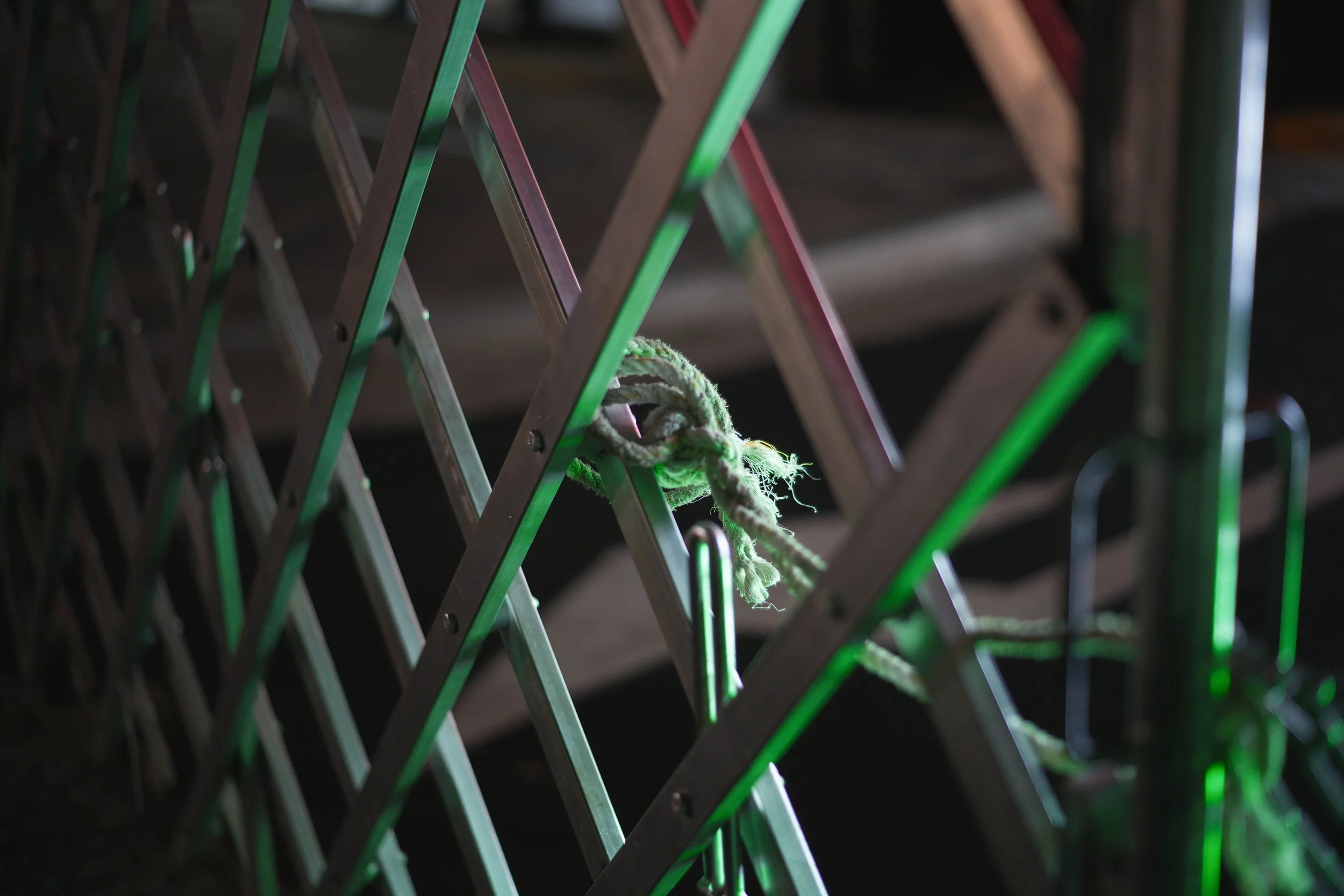
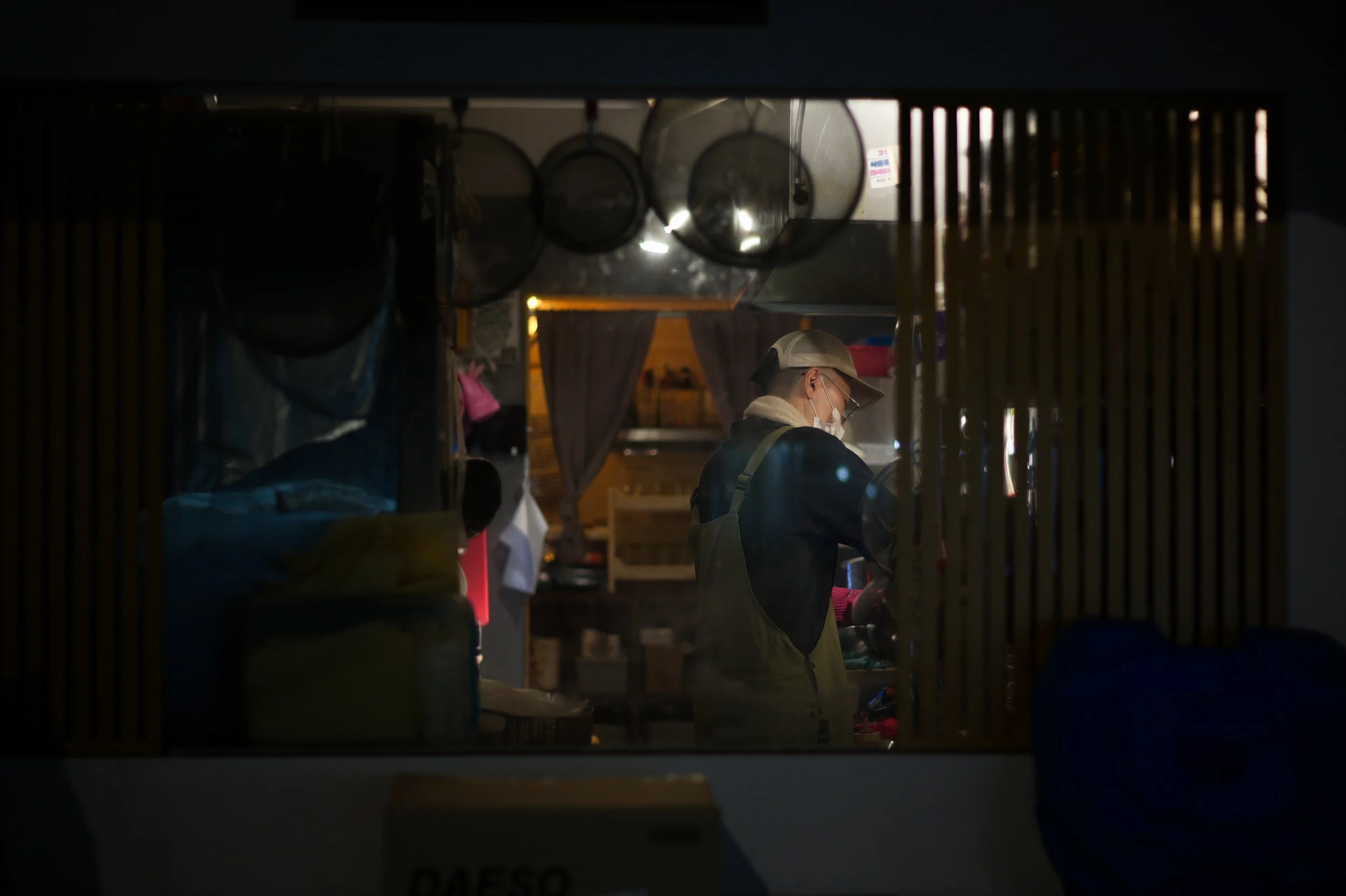
When reviewing shots I've done on my Sony A7IV, which has a full frame image size similar to film, I did not find meaningful fringing or aberrations unless searching for them. They're there but not very pronounced in actual day-to-day photos.
Handling in the field
With a focus throw of 90 degrees, it’s quick and easy to focus the Voigtlander Nokton 50mm f1.5. With the light weight, small size and short focus throw the lens is incredibly enjoyable to handle as you won’t need to worry about blocking your viewfinder with the end of the lens nor about the lens being heavy enough to get uncomfortable for a day of shooting.
The lens has a focus range of 0.7m to infinity so with cameras that only support down to 1m as the closest focus point, you’ll need to watch out when focusing on closer subjects. Once you hit 1m and try to focus closer, the lens will keeping turning without any indication on the rangefinder as to where your true focus point is. This makes close focusing a little tricky if you’re not familiar with this quirk but it’s not too difficult to get used to and with rangefinders you may not be focusing this closely anyway.
Something to note is that I’ve found myself enjoying the lens more on film bodies as opposed to digital due to the vignetting this lens can frequently exhibit at wider apertures. On film, it’s something you might notice on your negatives after the fact when you get them back. When you have a digital camera with this lens adapted to it, it’s hard to ignore it and can detract from the enjoyment of using the lens.
The issue isn’t as noticeable when you’re actively shooting but when you check your photo to make sure it’s what you want, I constantly would find myself annoyed with how distracting the vignette can be. It would remind me of when I first discovered the tool in Photoshop and cranked it to the max setting on all my photos; the look is just amateur.
If you don’t chimp and check your photos often when you’re out shooting then this is less of an issue.






Sample set from the lens at a live music performance in a dark venue.
Behavior Across Film Stocks
We’ve touched on this a bit earlier but when using fine grain films, you’ll find that the lens performs really well. The sharper films allow the center sharpness of the Nokton to stand out and show what it can do.
With slower films you also get the utilize the faster aperture of the lens which is likely one of the reasons you bought it to begin with. The f1.5 aperture lets you shoot films that are slower with faster shutter speeds to reduce camera shake. When testing slower films, this is the lens I first think of using. With the f1.5 aperture and the lack of a mirror in a rangefinder you can get wonderfully sharp images handheld.
With faster films such as ISO 400 or 800 the lens exhibits behavior that might leave you thinking it’s an entirely different lens, haha… the edges of the frame lose so much of their vignette and smearing tendencies that the images feel entirely different. The entire frame has much more consistent behavior with greatly improved performance and has a much more modern look.
This difference in behavior isn’t necessarily a bad thing nor is it completely unexpected but it does leave images feeling inconsistent when you go from a slower film to a faster film and then put them side by side if you were using a wider aperture and then went to using a tighter one.
With black and white films I’ve found behavior to be well controlled when avoiding pushing. The multi-coating controlled halations and blooming with any blooming typically being a product of the film emulsion. But when I pushed my film 2+ stops, I did find that my images had odd fogging and it only happened when pushing my film to 1600 or 3200… I’m unsure if it’s the lens, how my film was developed or the film I used but it happened with both Kentmere 400 and HP4. I won’t hold this directly against the lens as I haven’t ruled the lens as the cause of the issue but it was a common factor across different films.
Focusing accuracy on manual bodies
While I have seen a few fringe reports online of Voigtlander lenses not being perfectly calibrated from the factory for rangefinder accuracy, my lens has exhibited perfect or close to perfect accuracy. I’ve never felt as if I missed focus because of the lens.
How It Compares/Alternatives
TTArtisan 50mm f1.4 - A budget alternative that comes in at an even cheaper price than the Voigtlander Nokton 50mm f1.5 II. If you need the cheapest 50mm for an M mount system with an aperture at around this speed, this will be your best bet. Optical quality is stated in other reviews to be great, particularly for the price but there are two major caveats. The lens is MUCH larger to the point of having slight viewfinder blockage and I have seen reports online of some lenses not being calibrated accurately from the factory. There is an included tool to fine-tune the accuracy which is great if you have a digital rangefinder to validate against, less great if you're using a film camera....
Canon 50mm f1.4 LTM - this optic can only be found used and is many decades older than the offerings you can find today. If you're shopping in the budget category or want a lens that isn't too large, this is a viable option. The gotcha with this lens is that due to its age many copies are developing internal hazing, fungus and are just showing their age in general making finding a pristine copy increasingly difficult. Additionally, it doesn't have modern coatings or performance so it will be very characterful. It's up to you if that's a pro or con. As an LTM lens, you will need an L39 to M mount adapter
Zeiss ZM 50/1.5 Sonnar - these lenses live side-by-side in terms of specs and footprint. The optical rendering of the classic sonnar formula is something that may be the make or break for you if that's what you're after. Unfortunately I've seen reports online that the lens suffers from focus shift issues and that its brightest apertures may not be perfectly accurate when it comes to focusing. The lens can be calibrated to be accurate like the TTArtisan but considering this lens is more expensive than both the TTArtisan and the Voigtlander, I find that a bit unfortunate. If you can look past that issue and are after something a bit more classic as opposed to a modern optic like the Voigtlander, it's a fine alternative.
Quick Questions, Quick Answers
When did this lens initially release?
2020
Dimensions?
~37 mm, ~200 grams (non-nickel version)
Aperture Range?
f1.5 - f16
Minimum Focus Distance / Macro Ratio?
0.7m, ~1:11.5
Filter Size?
43 mm, slightly larger than the standard 39mm
Coatings?
Available in multi-coating (as reviewed) and single coating. Multi-coating allows for better contrast and flare resistance
Accessories Included?
Just the lens cap. I've replaced mine with a slim silver lens cap from Amazon
Does it have click-less aperture or clicks?
Clicked, not so ideal for video use if you want to change apertures as the camera is recording
Digital sensor coverage?
Full coverage on Micro 4/3, APS-C, Full Frame (vignetting will be noticeable), somewhat acceptable on medium format GFX (see here). Vignetting can be corrected on all sensor sizes but is only necessary on GFX
Verdict
With the honeymoon phase finally ending nearly a year later, I’m seeing the lens more for what it is rather than what I wanted it to be. I wanted it to be this cheap, light, small optic that put much more expensive lenses to shame with great optical quality while being this minuscule piece of kit that everyone should use. In reality, it’s a great travel lens with its own distinct character and while it definitely has flaws that are hard to look past, it also is a lens that I would pick over nearly any other lens.
Being that it’s one of if not the smallest 50mm M mount with an f1.4-1.5 aperture, I think that this lens won’t be replaced any time soon for me. I wanted a lens that wouldn’t get in the way, that wouldn’t feel inconvenient and that wouldn’t break the bank. This lens delivered on all of those notes. Sure, the image quality at f1.5 isn’t perfect edge to edge but at 1.5 we aren’t looking at the frame from edge to edge expecting everything to be perfect and tack-sharp. Those tend to be the images we shoot with the intention of creating something dreamy or characterful and this lens does that.
Would I recommend this lens to others? If you travel often, carry your camera around your neck all day or need something where your kit’s footprint is your number 1 concern, yes. If you want a 50mm M mount lens that’s fast and doesn’t break the bank, yes. If you want a back up 50mm lens to your overpriced Leica lens, yes.
If the only thing you’re concerned with is pixel/negative peeping and gauging this lens for its optical sharpness corner to corner at all apertures then no, I can’t recommend it. Unfortunately, this lens feels like it was made for those who go out and shoot rather than those who sit at home analyzing glass for absolute perfection to justify their purchase.
To that extent, I think this lens does a great job. It feels made for travel and going out to shoot as a work horse. While M mount lenses aren’t cheap, I would feel less bad about replacing this lens than replacing a lens that had cost me thousands of dollars because I was out shooting and using my lens instead of using it as a shelf-piece.
It may not have the Leica name on it but it's a great lens for the Leica M mount system. Despite the lack of enthusiasm around this lens, I truly believe that the Voigtlander Nokton 50mm f1.5 II is an underrated gem. If it had the name "Leica" on it, people would give it more of a chance than they currently do. With performance that is both modern in rendering while having its own characters and quirks it's a lens that earns its own identity and proves its worth as part of the M mount system.