Lucky Color 200 Pushed To 400: Analysis + Real World Samples
Lucky Film has announced their Color Negative 400 ISO film will be out soon.
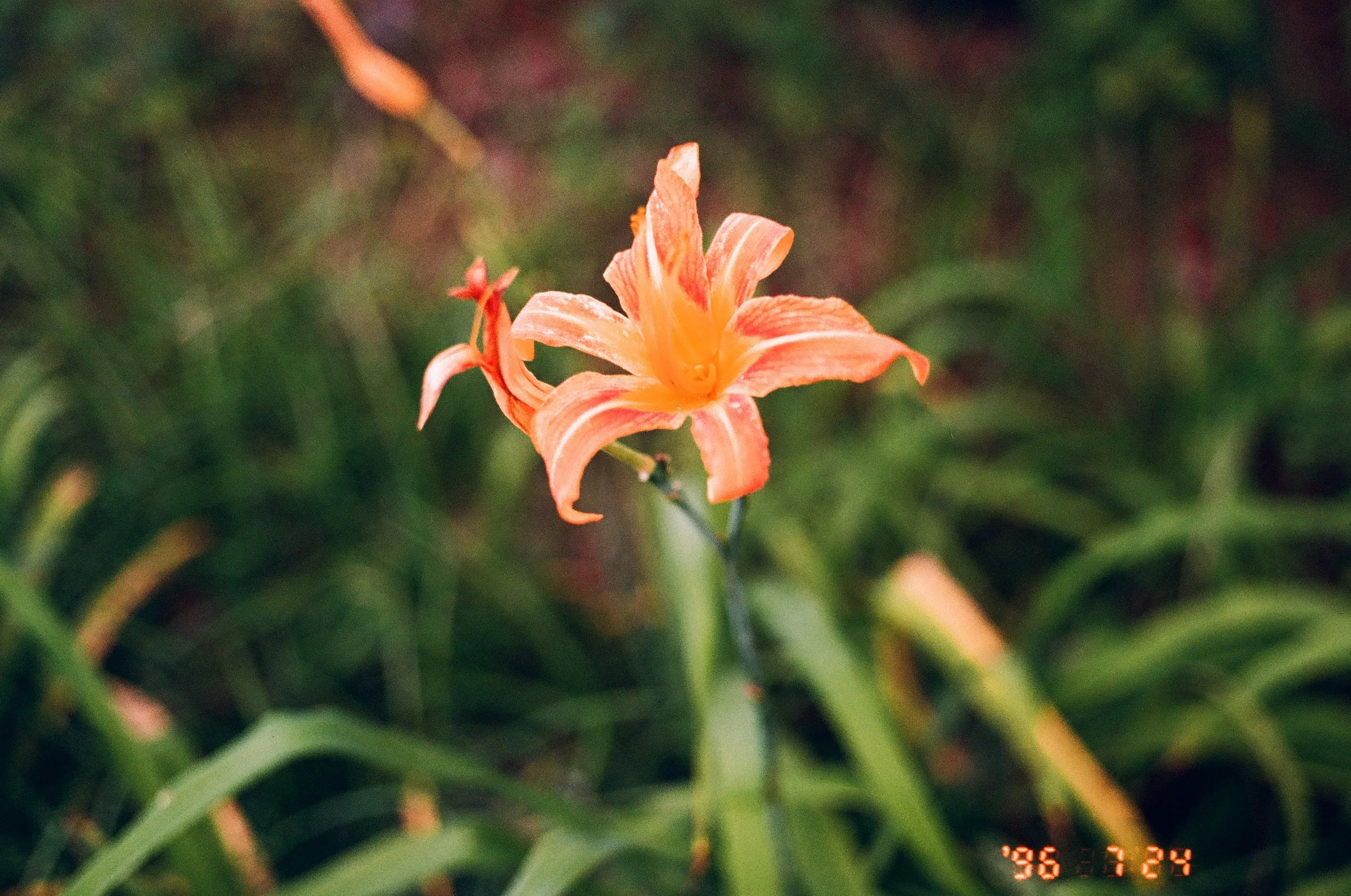
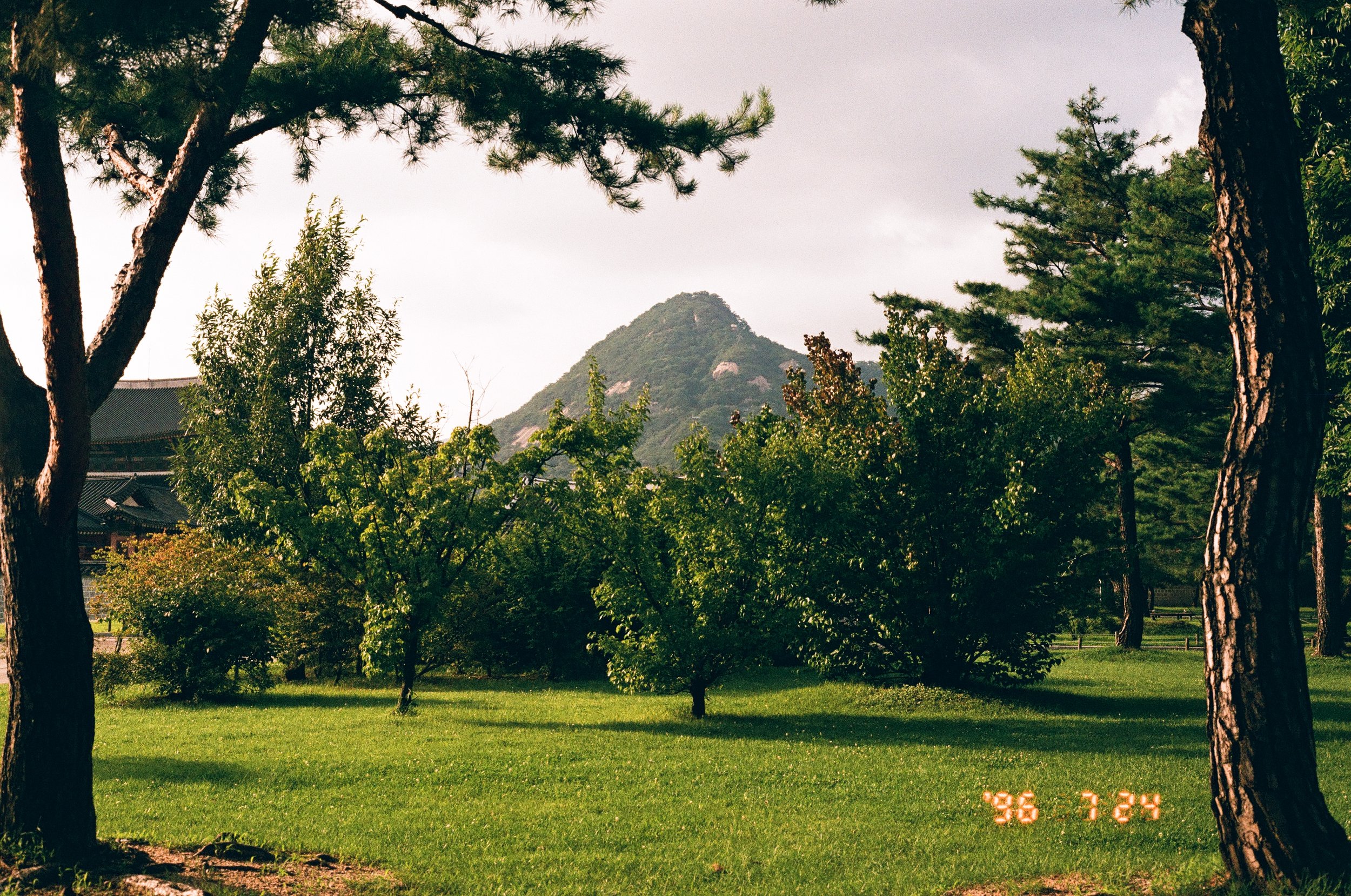
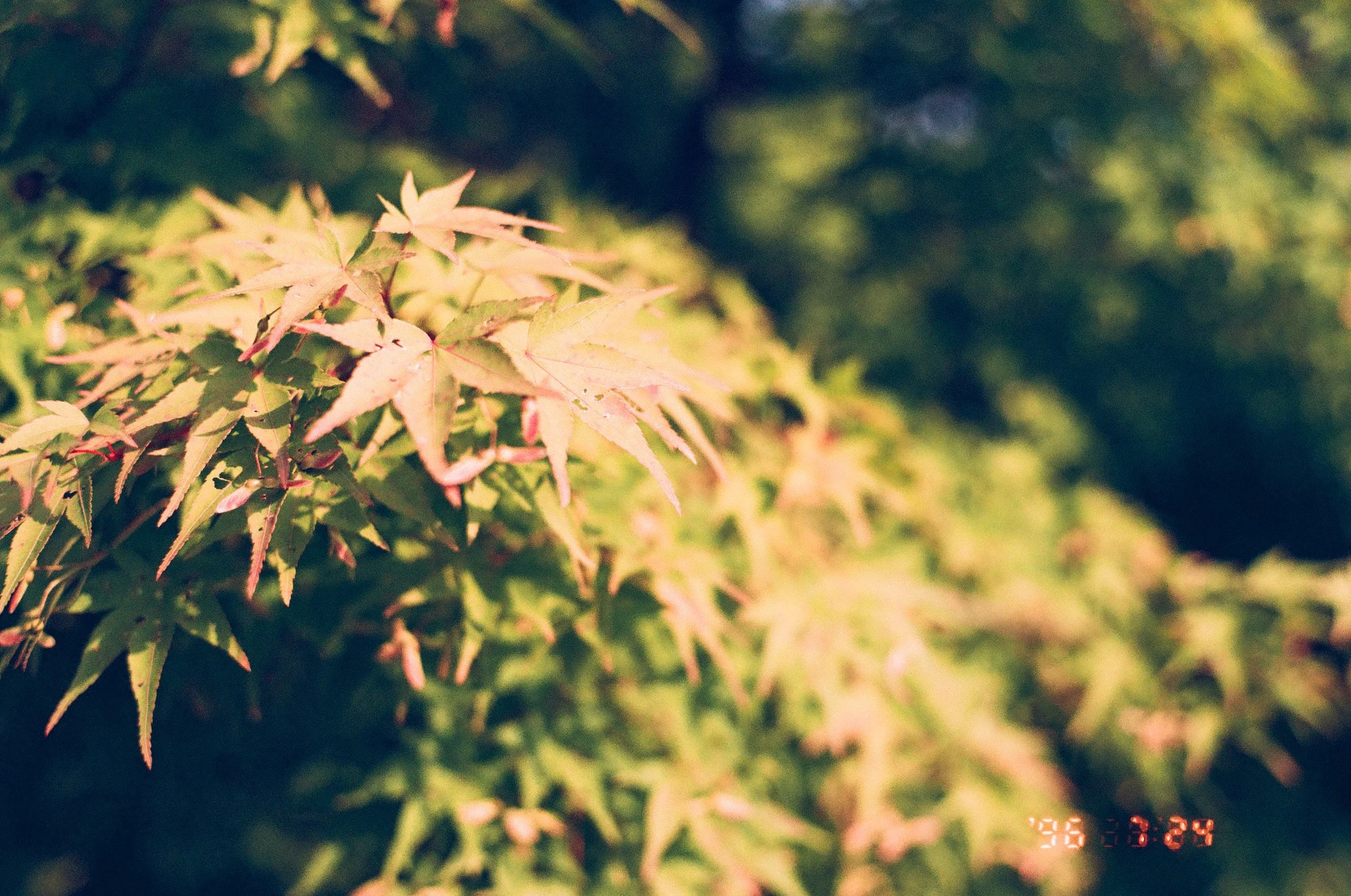
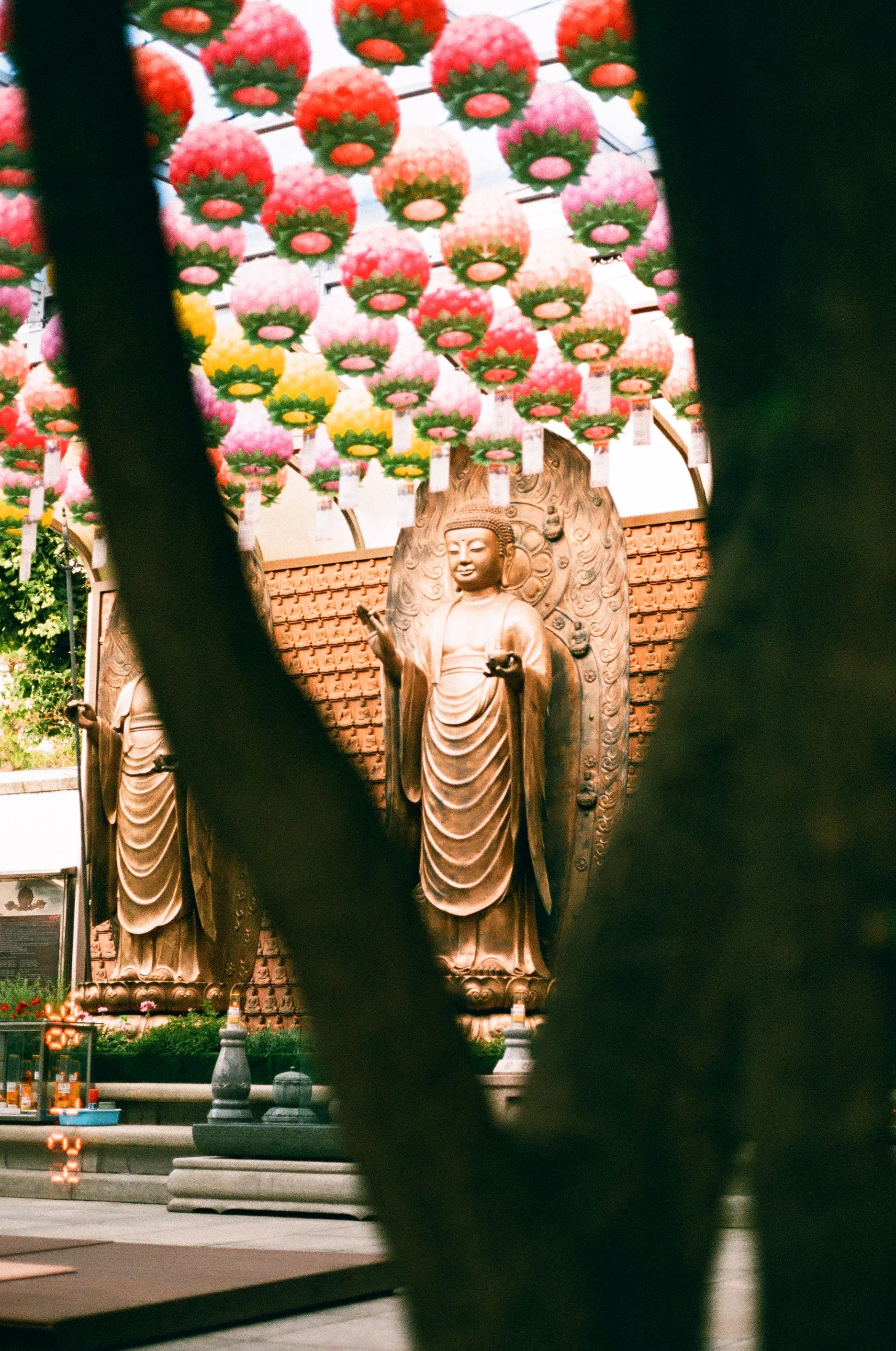
While I, like you, wait for my chance to buy Lucky Color 400 I’ve decided to experiment with Lucky Film’s Color 200. Let's see how it performs when shot as a 400 ISO film and pushed 1 stop in development.
I’ve given impressions of this film in 135 and 120 so let’s see how 135 handles with 1 push in development.
I’ve also tried this experiment in 120 to surprising results for those who shoot medium format.
Shooting assumptions
Camera & Lens Used: Contax G1 + 45mm f2
Pushed/Pulled: +1 stop
Lab: Gorae Film Photo Lab in Seoul, South Korea
Editing: Crops
I used the Contax G1 as it's my camera with the most reliable meter and I can easily adjust exposure compensation on the fly. I overexposed some shots because pastel colors and lighter tones are what I shoot for. Not every shot was done at ISO 400. I’ll make notes about exposure techniques in the image captions if there’s anything to note.
Lastly, these findings are based off my first roll trying this.
Pushing Lucky 200 Pros and Cons
Pros:
Colors maintain their vivid and signature Lucky look
Colors are still true to life even in contrasty scenes with color casts being minimal beyond what you may expect from Lucky Color 200
Properly exposed skin tones are appealing
Dynamic range is not much less than you’d get from using the film normally
Grain does not get out of control and remains acceptable when zoomed in
Cons:
Despite dynamic range being “around” the same, it’s still smaller than if you shoot at box speed, particularly in the shadows
Color shifts towards the darkest shadows and brightest highlights
Grain can get crunchy quickly if the exposure is off
Weird color/chemical artifacts again?
Results:
Pushing causes grain, dynamic range and color reproduction to differ from box speed. These changes manifest differently depending on the lighting.
As such I’ll break it up into different shooting scenarios so you can know what to expect. I took my photos from around ~5PM to ~8PM on an overcast day that cleared up by around golden hour.
Overcast:
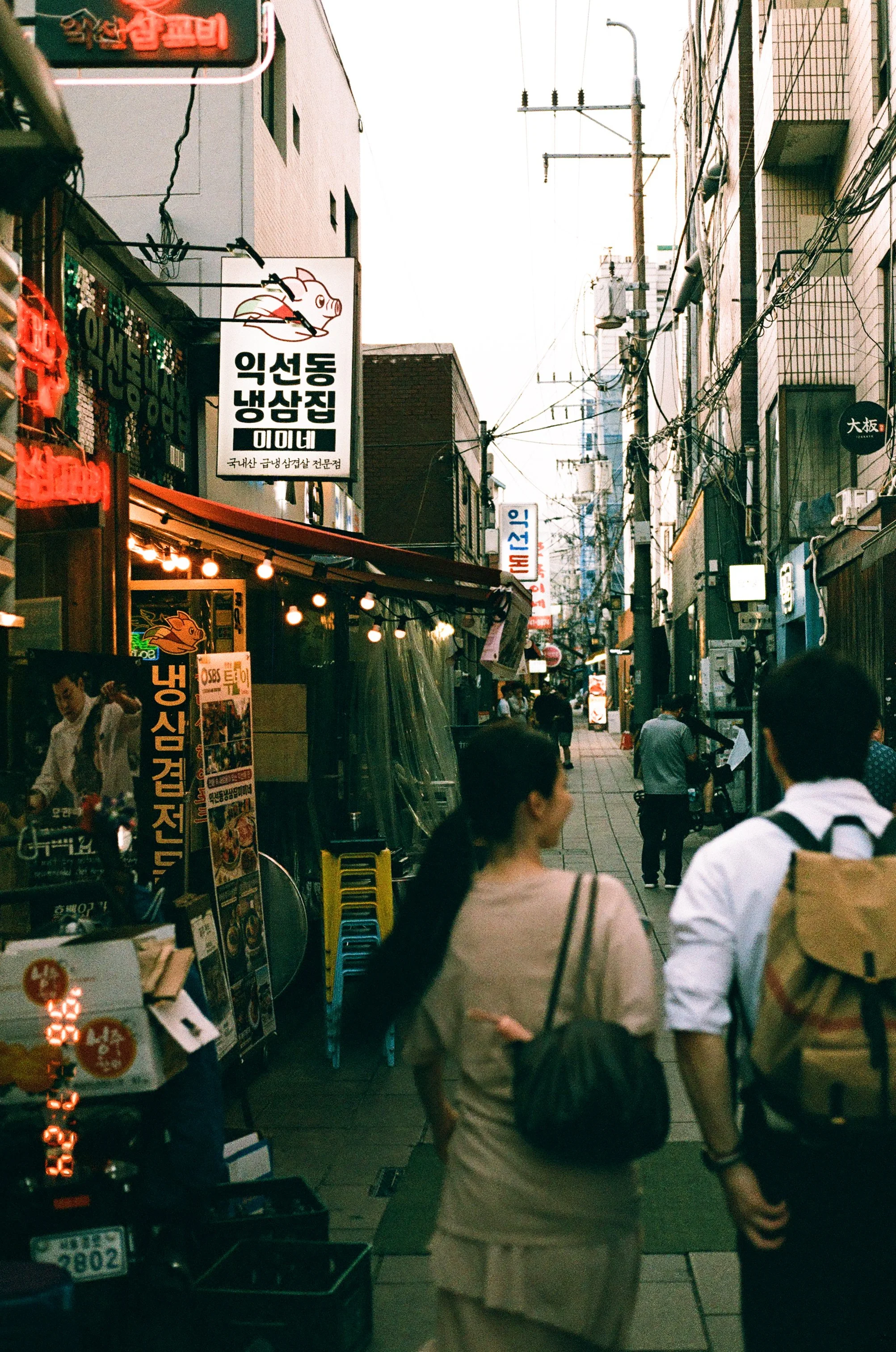
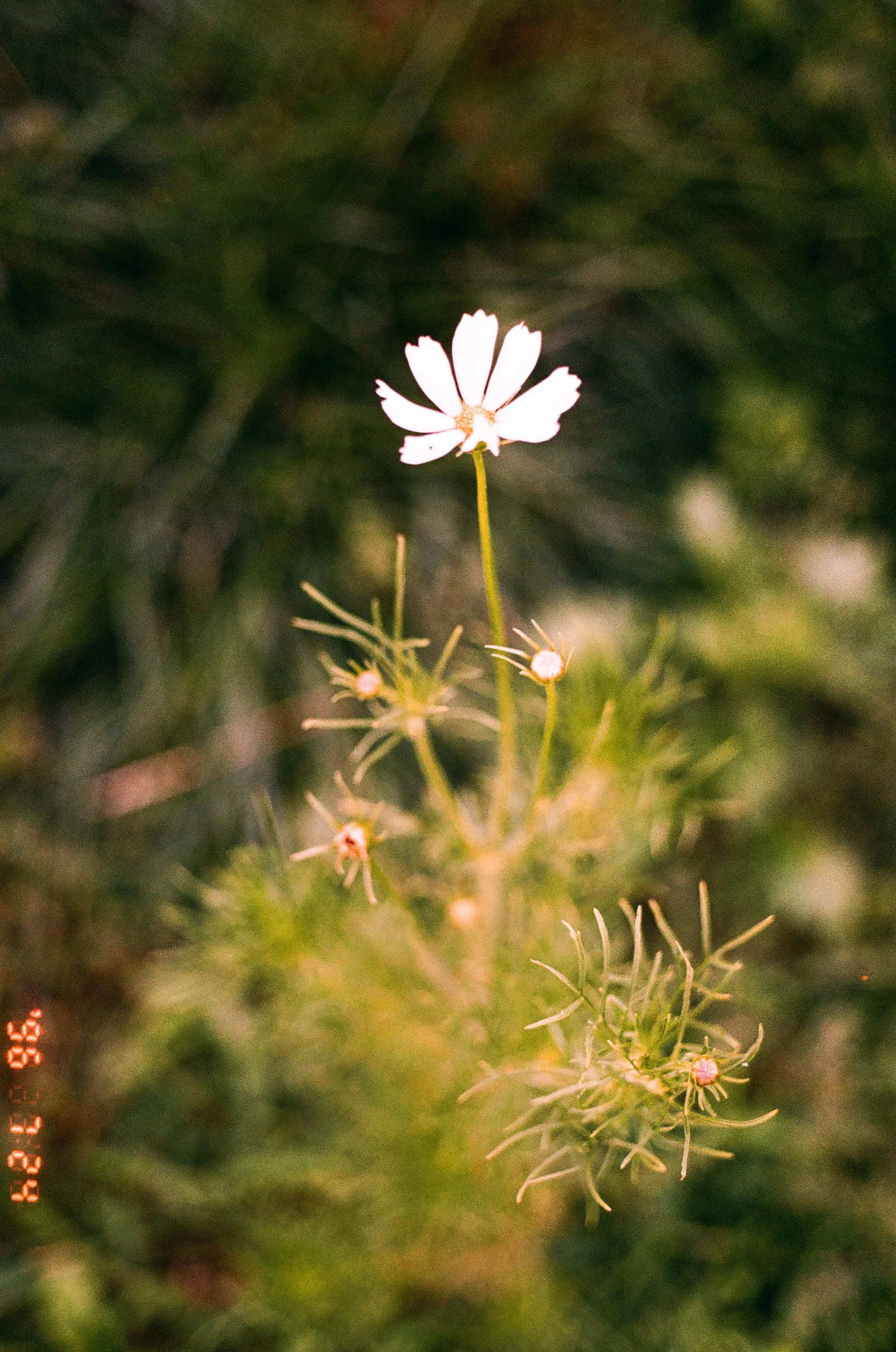
The softer and even light of an overcast afternoon gave the film its best performance. Without any harsh lighting to create uneven light, Lucky Color 200’s dynamic range comfortably handles the soft lighting.
Skin tones render nicely, nature has a lovely vibrant color that’s true to life and the enhanced contrast of Lucky 200 helps add life to the dull flat lighting of an overcast day.
Despite the increased grain size relative to box speed, grain is very much under control and suitable for prints and zooming in.
Golden Hour:
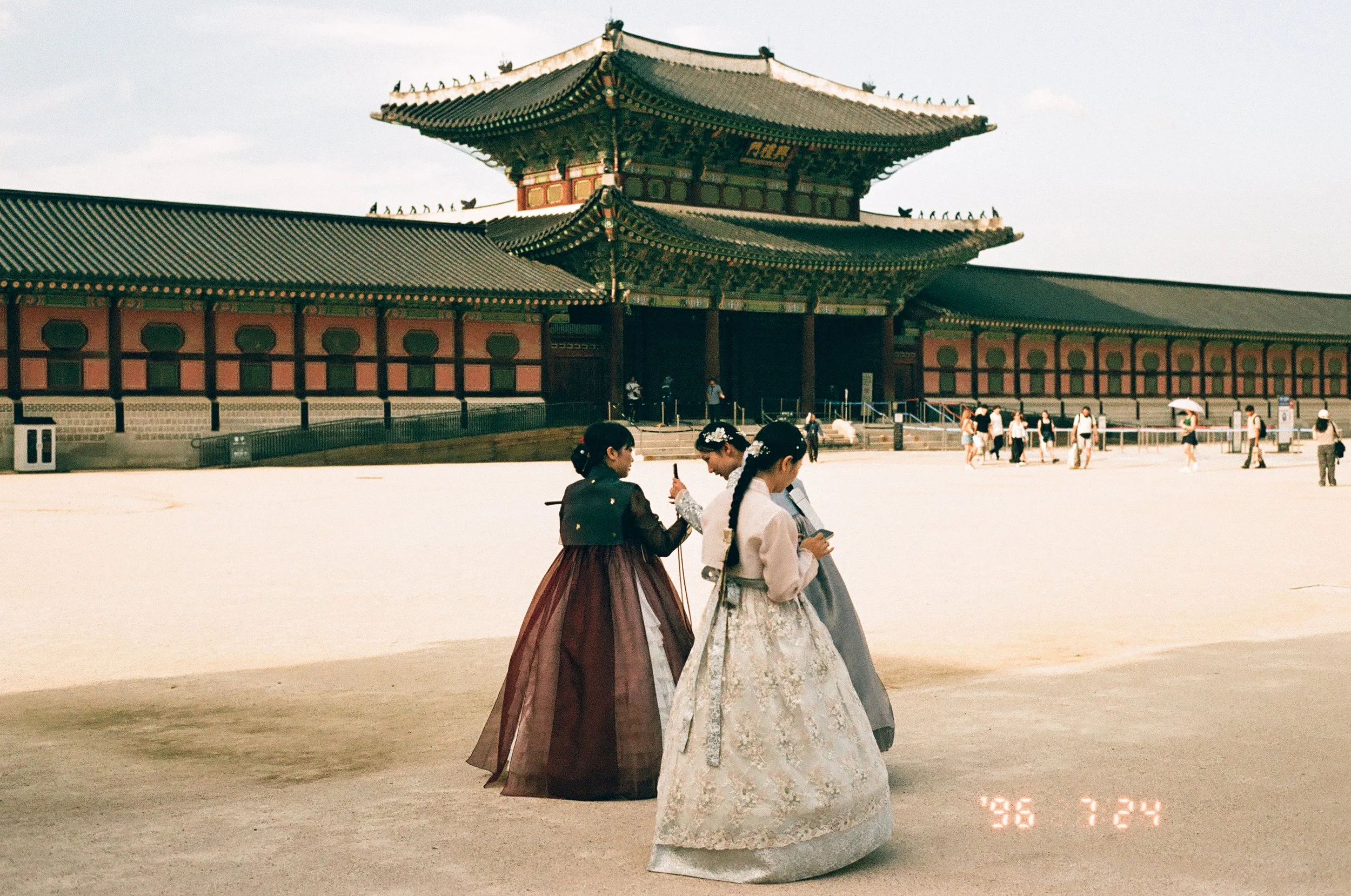
Similarly to box speed, Lucky Color 200 does beautifully during golden hour. The cool shadows, luscious greens and warm lovely highlights all come together to produce stunning images effortlessly.
It's hard to find much to say about this as the film performed almost identically as box speed with the benefit that you can shoot at a higher shutter speed. The only caveat would be that you have to keep in mind your reduced dynamic range. Keep your shadows and highlights close enough and you'll produce beautiful nostalgic images with little to no effort at all. :)
Shade:
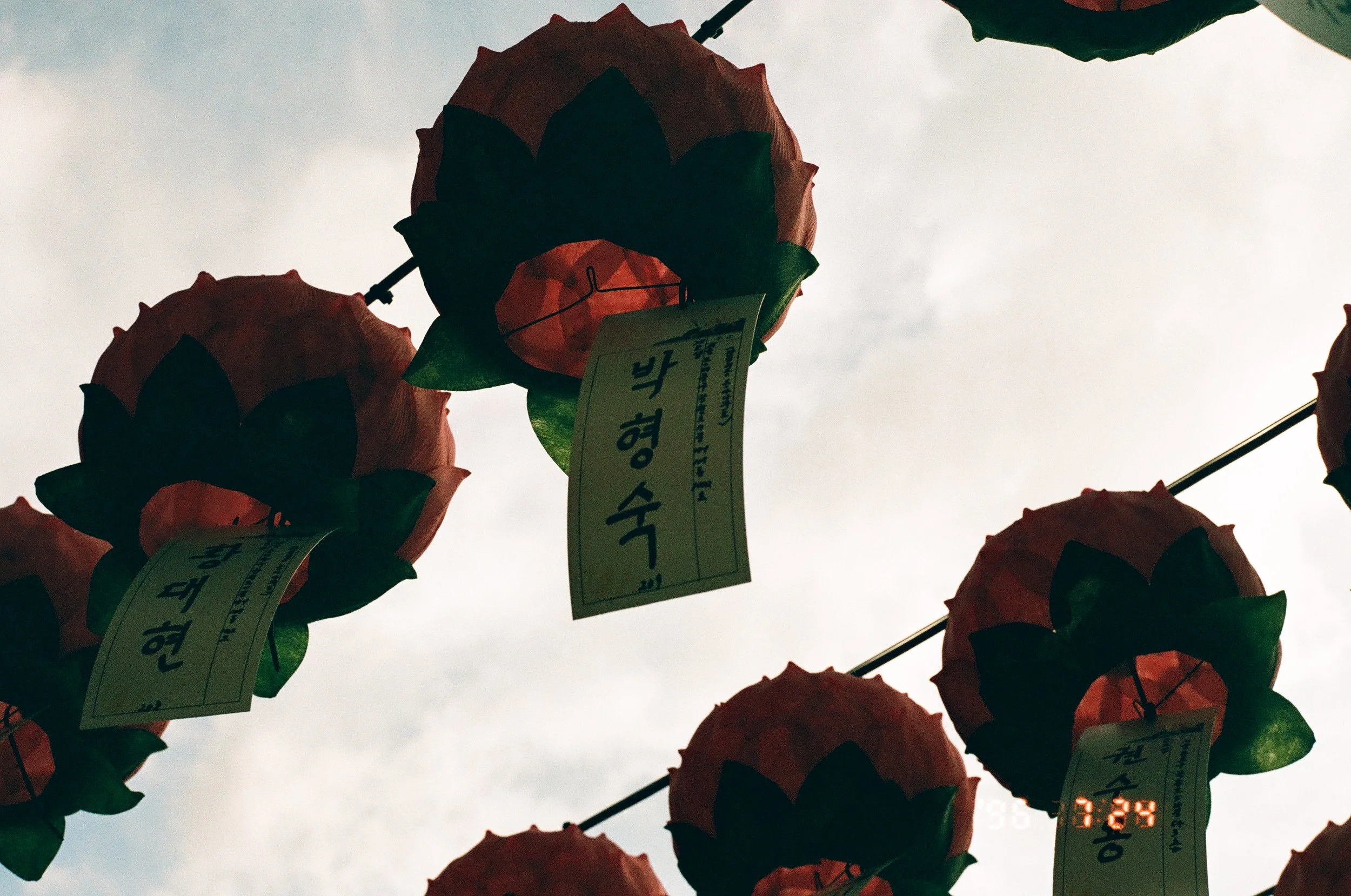
Shade was the most challenging lighting condition when it came to getting consistently usable results. While the photos turned out better than the indoors photos, they felt like they were all over the place. Shadows were crushed with poor detail retention and excessive grain while highlights seemed to be barely holding on.
You‘ll want to meter shadows precisely with a spot meter if you’re going to shoot in the shade. Alternatively, you could try doing an average of the darkest point and the brightest point. I’d like to look further into this topic in the future to see which is more optimal as I have plans to do more pushing with Lucky 200.
With the reduced dynamic range on a film that already has room to improve in dynamic range, it spells out a recipe for disaster if you fail to keep an eye on your exposure.
Indoors:
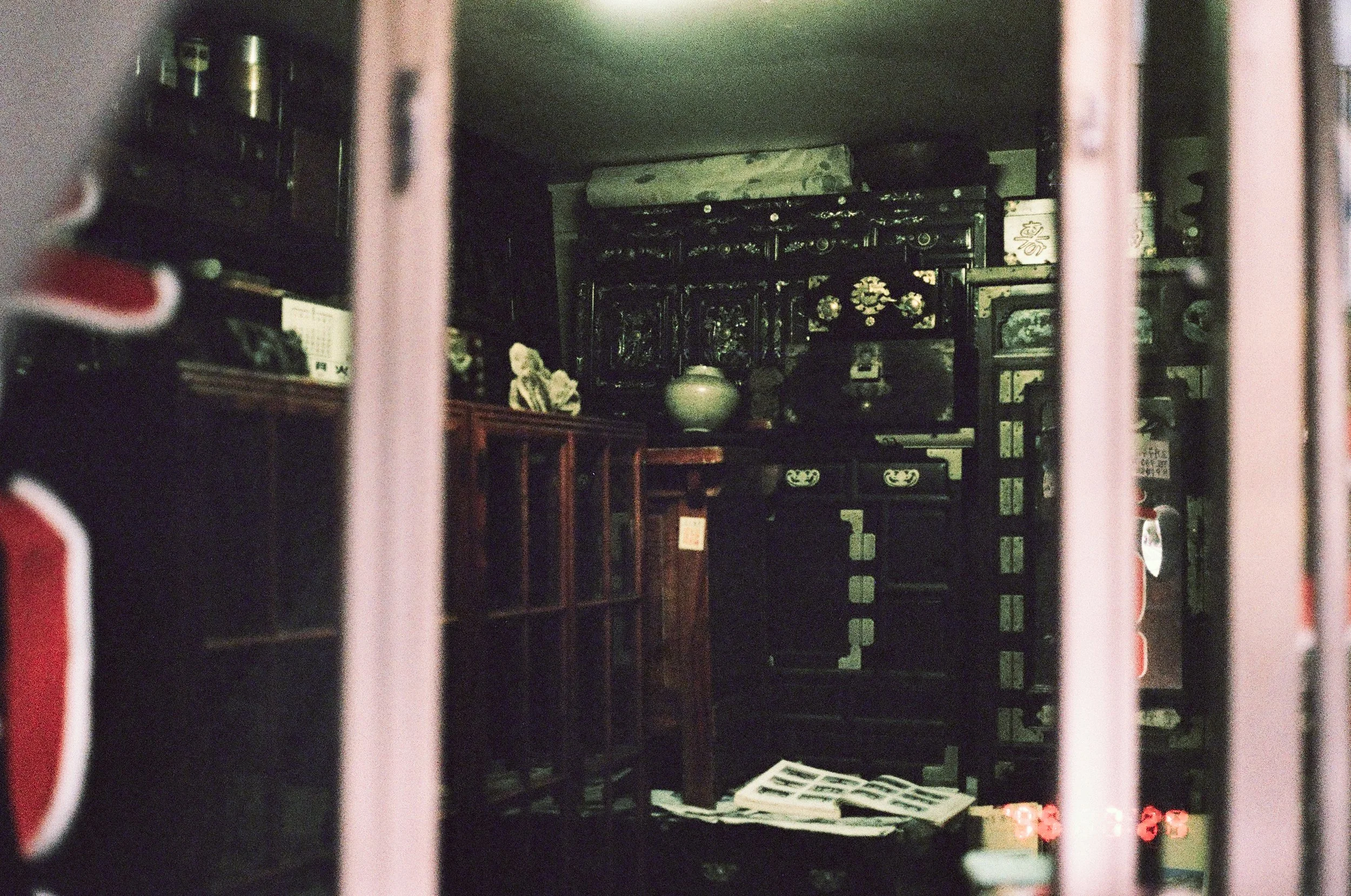
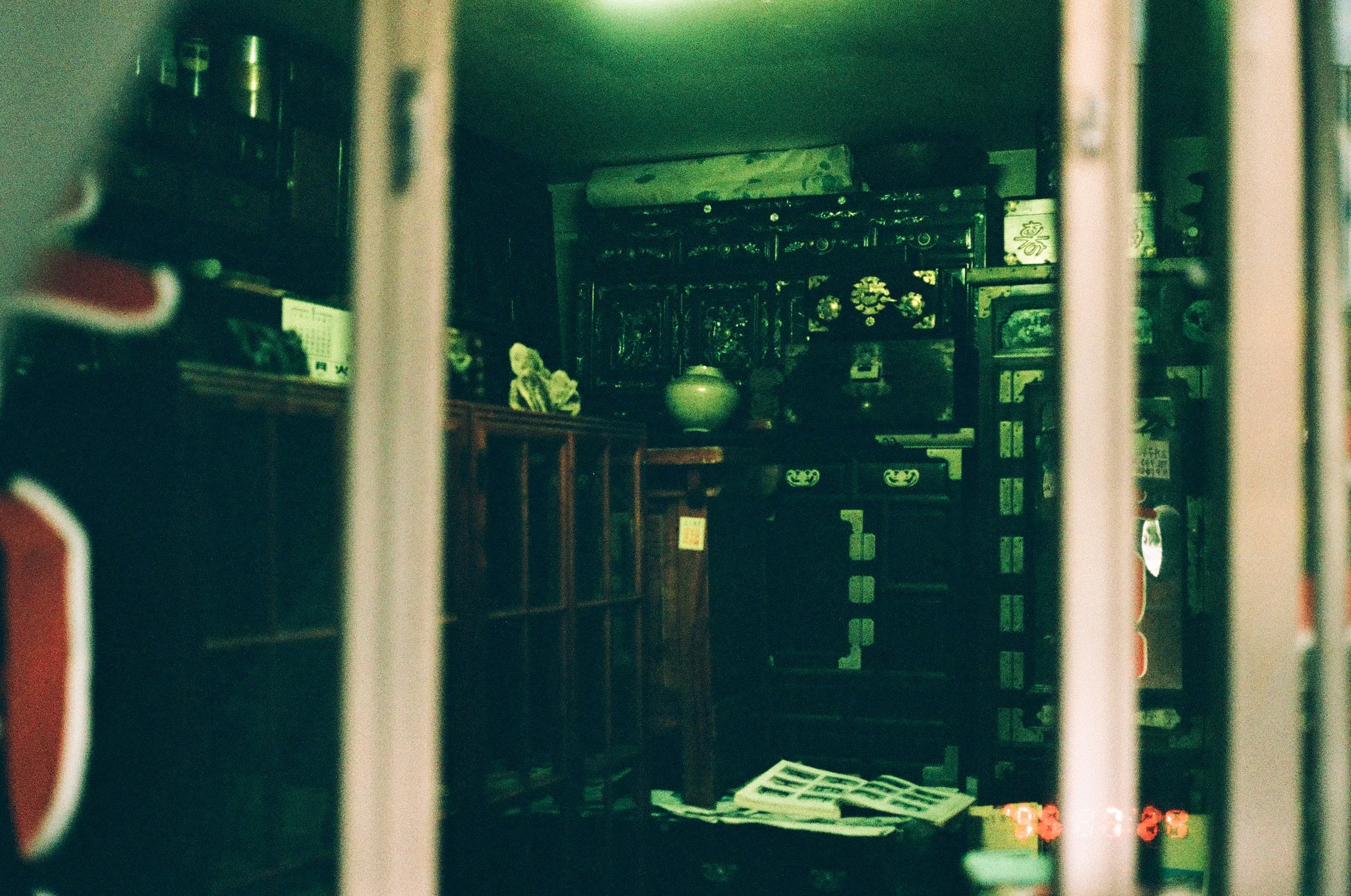
This was probably the worst performer though that may be an issue on my end. I recall when taking the picture thinking that the shutter speed seemed too high. There’s an unpleasant green tone across the entire image even on the light source. With color correction the image is usable but I wouldn’t want to have pictures like this to begin with.
Alternatives:
Kodak Ultramax 400 @ 800: While Ultramax is a faster film and is not one-to-one with Lucky Color 200, I think these two are comparable as their film grain size is similar at box speed. If you have the option between both films, I found Ultramax to push more cleanly with less color shifts, better dynamic range and cleaner grain.
Kodak Gold 200 @ 400: If you have the option to get Gold 200 at a similar price to Lucky Color 200, this will push better and produce cleaner results if you want something safe and technically superior.
Between Kodak and Lucky, I would advocate for Lucky Color 200 in the event that you want something more contrasty, saturated or stylistically unique that would be difficult to replicate with other films or digital.
Despite the alternatives pushing more cleanly, I think Lucky brings its own flavor to photography that is further accentuated with pushing.
Final Thoughts and Findings
I'm pleasantly surprised! I didn't necessarily expect the results of pushing Lucky Color 200 to be bad... but I didn't think they'd come out at such a high quality across so many different shots and scenarios.
I found myself wondering, "will this shot be usable...?" on more than one occasion and when I looked over the scans, almost all of them were either ready to upload straight from the lab or were underexposed because the lighting wasn't metered correctly.
Lucky Color 200 pushed to 400 turned out to be a film that I'd be happy to use if the scenario called for it... with the exception of the indoor performance. This isn't surprising though as I didn't like Lucky Color 200 for indoor photos in general.
If you're deciding between this or Kodak films for pushing, I'd say stick to Gold 200 or Ultramax 400 if the price is similar or if you want the highest quality in your scans.
I think that for now, using Lucky Color 200 is more for those who want the contrasty saturated look or if it's cheaper in your area.
Lucky Color 200 doesn't push as cleanly as Kodak's offerings but it does offer a look that's different. When it comes to art, technical perfection isn't always the end all be all so I think that there is a place for Lucky Color 200, pushed or not.